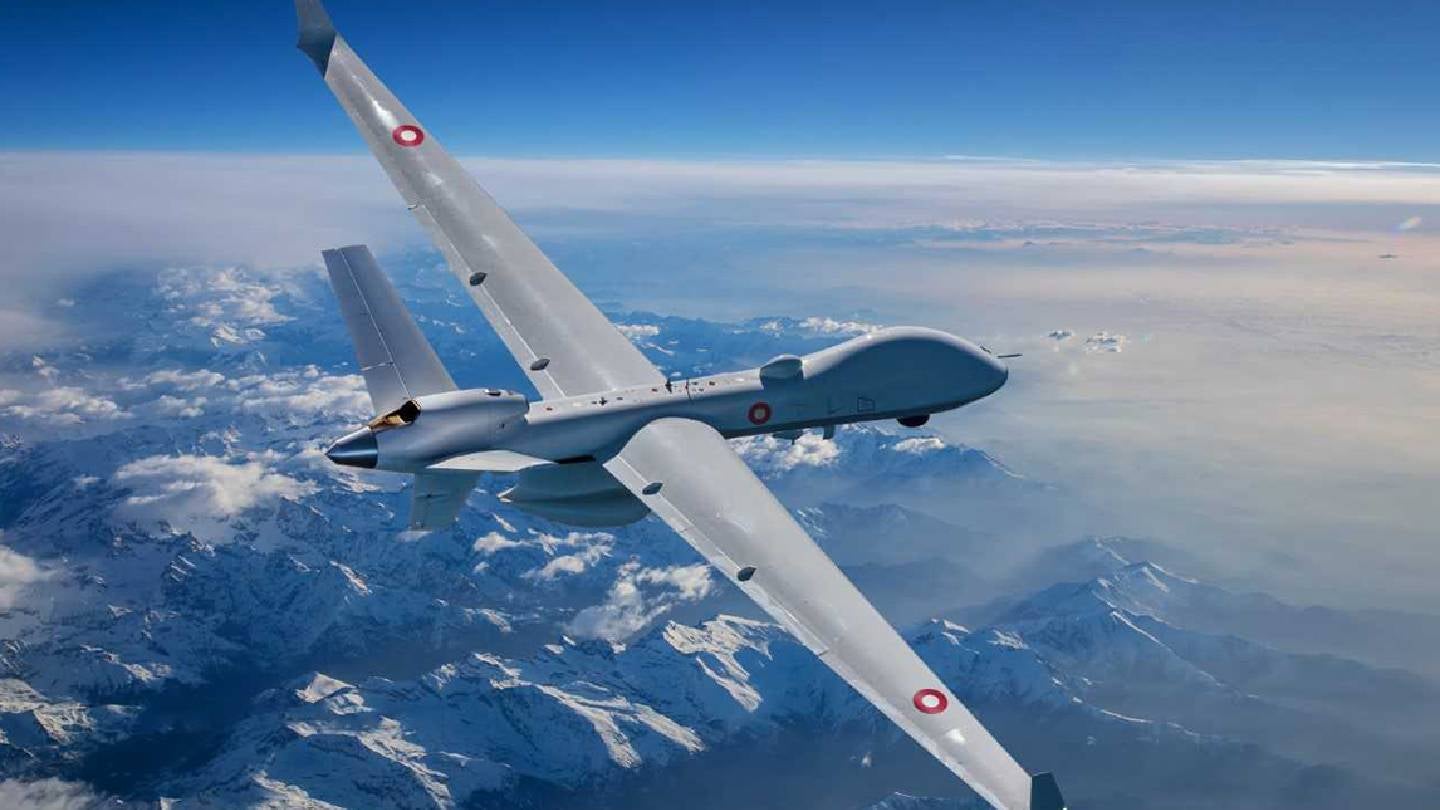
Danish Air Force Establishes 729 Squadron to Enhance Arctic and Baltic Surveillance
The formation of Denmark's 729 Squadron signifies an important step in bolstering national defense and monitoring capabilities in strategically vital regions. This move underscores Denmark's commitment to Arctic security amidst rising geopolitical tensions and increased military activities in the area.
The Danish Air Force has officially established the 729 Squadron, a specialized unit aimed at enhancing its surveillance and reconnaissance capabilities. This development comes at a time when heightened military activities and environmental security concerns are prevalent in the Arctic, North Atlantic, and Baltic Sea regions. The squadron will focus on maritime surveillance operations and intelligence gathering to assert Denmark's presence and operational readiness in these critical zones, utilizing advanced aerial platforms to monitor air and sea traffic.
The strategic significance of this development lies in the evolving geopolitical landscape, particularly concerning Arctic sovereignty and security. As various nations, including Russia and NATO allies, increase their military posture in the Arctic, Denmark's establishment of the 729 Squadron aligns with broader efforts to secure its territorial waters and assert its interests. This is particularly relevant in light of climate change's impacts, which are opening new navigation routes and potentially rich resources, prompting increased international attention and military presence in these areas.
Key players in this scenario include Denmark as the primary mover, alongside NATO allies such as Norway and the United States, which have shown interest in enhancing their operational capabilities in the Arctic. The Danish government, motivated by both sovereignty and environmental protection concerns, seeks to strengthen its defense posture while simultaneously maintaining cooperation with NATO forces. Increased Russian naval activity and military exercises in the region contribute to Denmark's urgency in reinforcing its defenses.
The establishment of 729 Squadron not only enhances Denmark's capabilities but also serves as a signal to other regional players that Denmark is committed to protecting its interests. The regional implications could involve increased military presence from neighboring nations, potential escalations in military readiness, and a more pronounced NATO focus on Arctic operations. Moreover, this development may lead to increased joint exercises and partnership initiatives with allies to ensure stability and deter any aggression in contested areas.
Historically, military developments in the Arctic have often raised tensions, with past incidents showcasing the precarious balance of power among Arctic nations. Denmark's proactive approach in forming the 729 Squadron may set a precedent for similar enhancements by other nations seeking to safeguard their claims and interests in the region and reflect a shift towards a more militarized Arctic environment.
From an analyst perspective, the formation of the 729 Squadron presents both opportunities and challenges. It showcases Denmark's strategic foresight in addressing emerging security threats; however, it may also provoke reciprocal actions from other nations, particularly Russia, which could escalate regional tensions. Ongoing monitoring of military developments and defense cooperation in the Arctic will be essential as the situation evolves over the coming years.