Canada Announces Support for US Strikes Against Iran's Nuclear Program
Canada backs US military action against Iran, citing Tehran's nuclear defiance. Growing tension in the region raises fears of wider conflict.
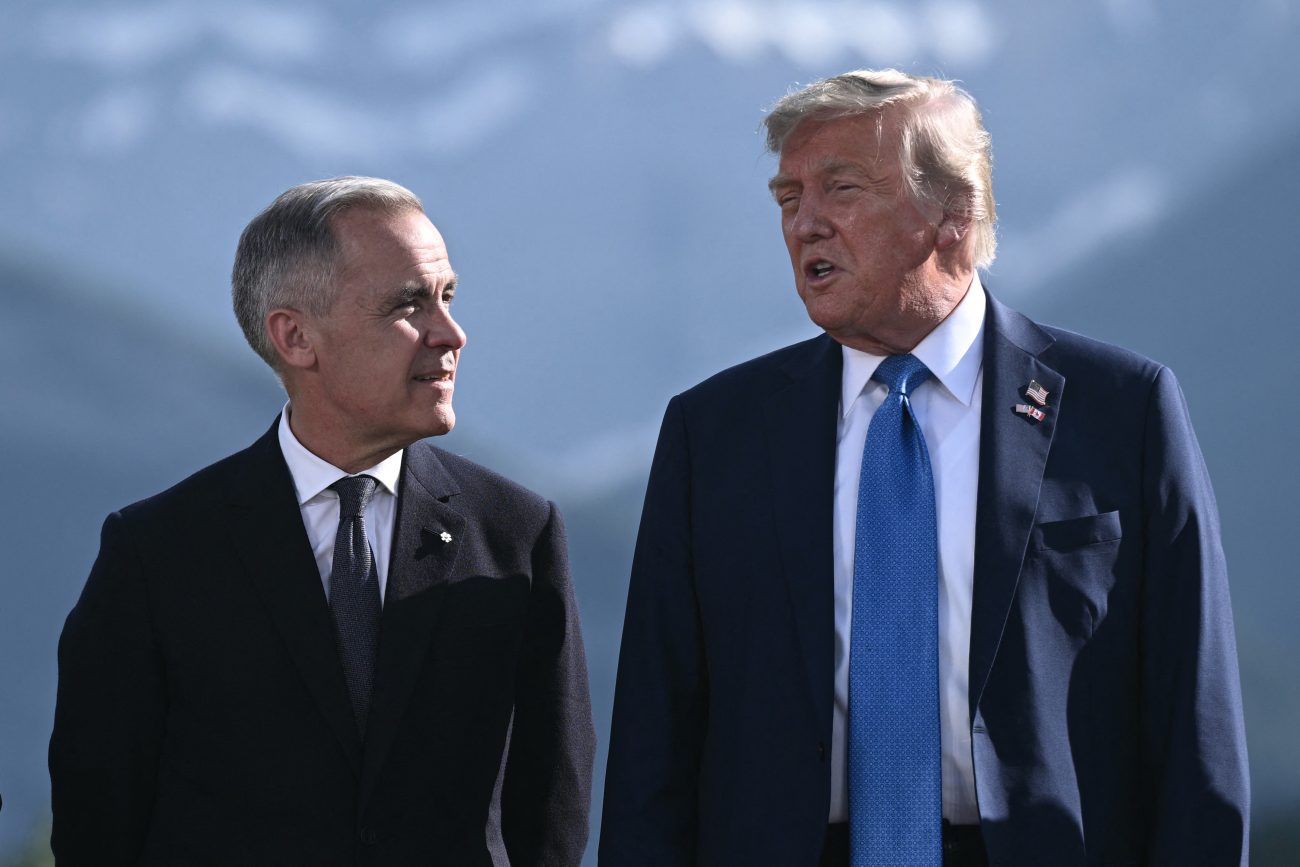
Canada has officially backed U.S. military strikes against Iran, citing Tehran's persistent failure to dismantle its nuclear weapons program and halt its support for militant groups. Prime Minister Mark Carney unequivocally declared Canada's support for U.S. actions aimed at preventing Iran from obtaining a nuclear weapon and emphasizing the necessity of protecting international peace and security. This endorsement signals a significant alignment with U.S. foreign policy concerning Iran, escalating the stakes in an already volatile region.
The backdrop to this diplomatic support rests on years of discord with Iran regarding its nuclear ambitions, which have drawn international ire and sanctions. Iran's pursuit of uranium enrichment, alongside its backing of militant factions throughout the Middle East, has strained relations with Western powers. In April 2023, the International Atomic Energy Agency (IAEA) reported that Iran was enriching uranium to levels close to weapons-grade, raising alarms of an imminent nuclear breakout.
This development is critically significant as it brings Canada firmly into the U.S.-led coalition against Iran, reinforcing the Western narrative that Tehran poses a direct threat to both regional and global security. This alignment may also embolden more aggressive military interventions in the region as the potential for escalation increases. The backing of a major North American ally adds political weight to the U.S. operations, potentially altering the calculus for Iran and its regional proxies.
Key actors in this tense scenario include not only the Canadian and U.S. governments but also Iran's leadership, which remains committed to its nuclear program as a symbol of national pride and deterrence. Carney's remarks reflect a broader strategy among NATO allies to counteract perceived Iranian aggression, underlining that Iran's continued defiance will lead to military responses.
Operationally, the U.S. is prepared to deploy advanced weaponry in the event of strikes, potentially utilizing precision-guided munitions to target Iranian nuclear sites. Estimates suggest that the U.S. could mobilize significant air-power assets capable of executing extensive campaigns, with initial strike capabilities projected to exceed $1 billion in funding. The strike operation timelines, while classified, are designed to deliver rapid incapacitation of Iran’s nuclear capabilities.
The likelihood of repercussions from this situation is high, with potential escalation into broader military conflict. Iran has vowed retaliation if attacked, with promises to target American and allied military installations throughout the region, which could spiral into a full-scale war. The U.S. and its allies must now prepare for asymmetric assaults from Iranian proxies, as Tehran seeks to project power amidst heightened tensions.
Historical precedents for Canadian support of military actions are evident, yet current dynamics with Iran are markedly different than those observed during past intervention campaigns in the Middle East. Previous military engagements against Saddam Hussein's Iraq were framed as necessary actions against dictatorships, whereas the situation with Iran now intertwines with concerns over international proliferation treaties and adherence to nuclear non-proliferation norms.
Going forward, attention should be focused on potential Iranian responses to these developments, particularly any signaling through military exercises or increased rhetoric from the Iranian Revolutionary Guard Corps (IRGC). Intelligence assessments will need to monitor Iranian military deployments and potential proxy mobilizations as the situation develops, seeking indicators of escalatory actions or possible diplomatic overtures.