Axelspace Secures Contract to Provide Optical Imagery for Japanese Defense Satellites
Japanese micro-satellite company Axelspace has been contracted to supply optical imagery data as part of the Ministry of Defense’s satellite initiative. This development highlights Japan's commitment to enhancing its satellite reconnaissance capabilities amid regional security concerns.
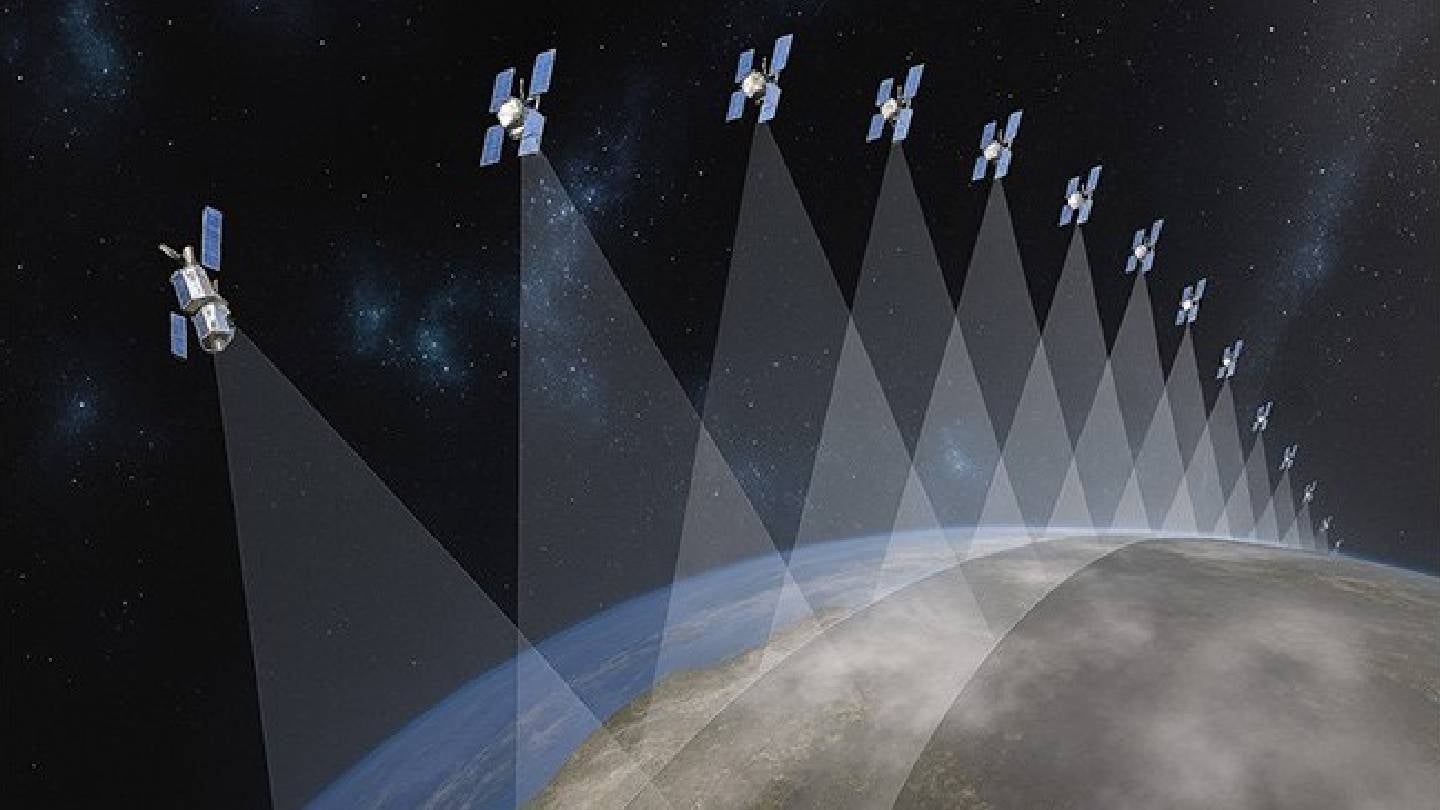
Axelspace, a Japanese micro-satellite manufacturer, has been awarded a contract to deliver optical imagery data for the Japanese Ministry of Defense's satellite initiative. This program aims to bolster Japan's military surveillance and reconnaissance capabilities through advanced satellite technology. The specifics of the contract include the deployment of multiple micro-satellites designed to capture high-resolution imagery for defense applications, enhancing Japan's strategic data collection capabilities over contested regions.
This development is critical in the context of Japan's increasingly complex security environment, particularly given the challenges posed by North Korean missile tests and China’s assertive territorial claims. By advancing its satellite reconnaissance capabilities, Japan aims to improve its national security posture and provide critical intelligence to support its Self-Defense Forces (SDF) operations. The investment reflects a broader trend among nations to enhance their military capabilities through space-based assets, particularly in the Asia-Pacific region.
Key players in this initiative include the Japanese Ministry of Defense, which has been advocating for a stronger aerospace and defense presence to ensure national security. Axelspace plays a pivotal role as a technology provider, leveraging its expertise in small satellite constructions and optical imaging technologies. The completion of this contract will not only enhance Japan's operational capabilities but will also position Axelspace as a significant contributor to the defense sector.
The implications of this development extend regionally and globally. Enhanced satellite data acquisition capabilities can provide significant advantages in intelligence-sharing among allied nations, particularly in response to escalating tensions in the Korean Peninsula and the South China Sea. Additionally, it may prompt neighboring countries to reassess their own satellite programs and investment in reconnaissance technologies, potentially leading to an arms race in space capabilities.
Historically, Japan has approached defense policies with considerable caution, emphasizing pacifism under its post-WWII constitution. However, in recent years, there has been a notable shift toward re-militarization and the expansion of defense capabilities, specifically in space technology. The decision to engage a private firm like Axelspace underscores the urgent need for Japan to adapt its defense strategies amid evolving security threats.
In conclusion, the partnership with Axelspace represents a significant step forward for Japan's defense technology, aligning with broader strategic objectives to enhance military readiness. Analysts predict a continued focus on advancing satellite capabilities as key to national defense, impacting future actions across the region as stakeholders adjust to this new dynamic.