Crisis Looms as Middle Eastern Nations Pursue Ukraine's Drone Technology Amid Stalemate in Russia-Ukraine Talks
The geopolitical landscape shifts as Middle Eastern countries seek Ukraine’s low-cost interceptor drones, a move indicative of escalating threats posed by Iranian Shahed drones. This development highlights an urgent need for effective defenses against proliferating drone technologies and shifting alliances in the region.
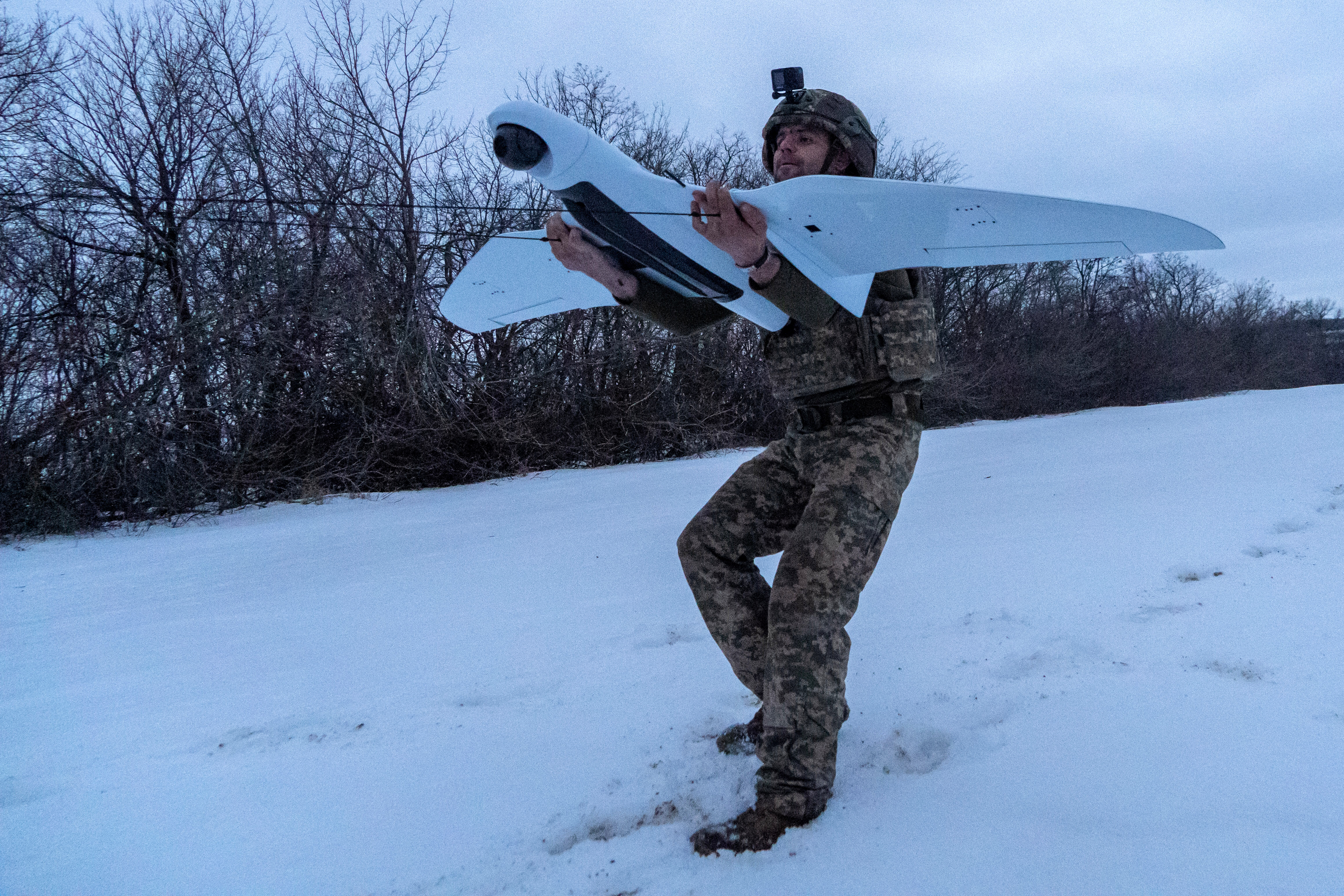
Middle Eastern nations are rapidly pursuing Ukraine's low-cost interceptor drone technology, specifically designed for targeting Iranian Shahed drones, amidst a crisis in ongoing Russia-Ukraine negotiations. Ukraine announced it would export these specialized drones earlier this year, reflecting an acute response to rising threats from Iranian drone warfare in the region. This interest underscores a direct challenge to Tehran's increasing influence and arms proliferation methods.
The push for Ukrainian drone technology follows several months of conflict, where Iranian Shahed drones have been employed extensively by Russia against Ukraine. The proximity of these developments to potential combat zones raises alarms regarding the proliferation of weaponry and the urgent need for countermeasures from affected nations. The inability of Russia and Ukraine to reach a diplomatic resolution exacerbates regional insecurities and invites other powers to bolster their defensive capabilities.
This situation bears significance as it reflects a broader strategic recalibration. The Middle Eastern countries’ plea for Ukrainian technology indicates their recognition of a growing vulnerability to drone warfare, particularly from Iran. Furthermore, it serves as a stark reminder of shifting alliances, as regional powers align themselves with Ukraine to counter shared threats, potentially redrawing the balance of power in the Middle East.
Key players in this scenario include Ukraine, seeking to expand its defense industry and secure new revenue streams, and Iran, striving to maintain its stronghold over drone technology while facing growing external pressures. Middle Eastern nations are motivated by a desire to mitigate risks from Iranian drones, which have been responsible for significant tactical advantages in recent engagements.
Operationally, Ukraine's low-cost interceptor drones have been reported to feature advanced tracking systems, precision targeting capabilities, and streamlined designs tailored for rapid deployment. While exact specifications remain classified, these drones are intended to operate effectively within existing air defense frameworks, promising a potentially transformative impact on how Middle Eastern nations engage aerial threats.
The consequences of this dynamic extend beyond mere technology transfer. As Middle Eastern countries bolster their drone defenses, Iran may react by accelerating its missile programs or deploying additional drones to counterbalance this challenge. This could lead to a fast-paced arms race in which nations vie to outmaneuver each other in advanced drone technology and tactical engagement strategies.
This scenario bears historical parallels to the early days of drone warfare, where rapid proliferation outpaced conventional military responses. The regional responses to such technologies have often resulted in escalation rather than de-escalation, revealing underlying tensions that could burst into open conflict if not carefully managed.
Moving forward, key indicators to monitor include the volume of drone technology transfers, any shifts in Iranian military responses, and the strategic partnerships in play within the Middle East. Additionally, heightened surveillance on Iranian military capabilities and their operational deployments could reveal further developments in this evolving security challenge.