Crisis in Iran Sparks Air Travel Chaos, Hongkongers Stranded in Dubai
The ongoing conflict in the Middle East has severely disrupted global air travel, notably leaving Hong Kong travelers stranded in Dubai. The recent escalation has raised significant concerns over regional stability and international travel safety.
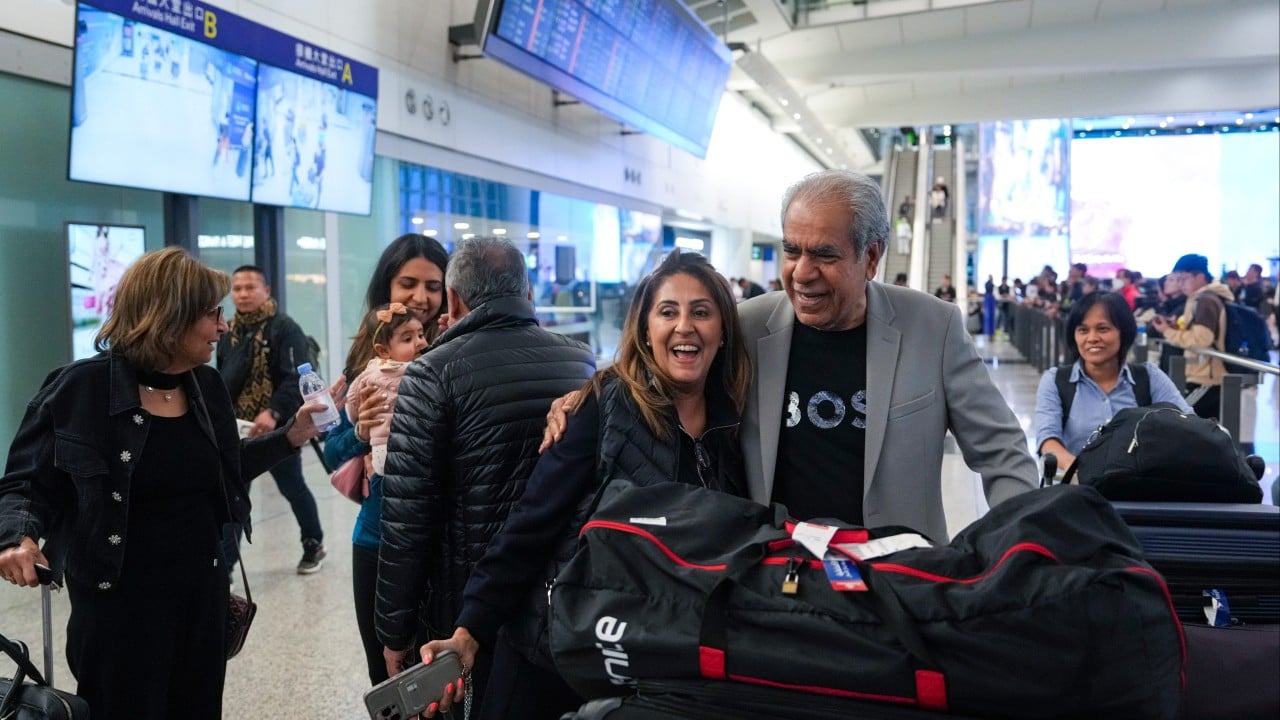
The eruption of violence following US-Israeli strikes on Iranian targets has caused a major disruption in air travel, isolating several travelers from Hong Kong in Dubai. On Wednesday evening, the first flight back to Hong Kong, Emirates flight EK380, finally landed after a prolonged pause in operations, showcasing the human cost of escalating geopolitical tensions. This crisis unfolded as Iran retaliated against US military bases in the region, further complicating the already fragile security situation in the Middle East.
Global air travel has been on a precarious edge since the strikes, with Dubai International Airport and Al Maktoum International Airport both halting services for a full two days. The surge in conflict prompted immediate measures to secure airspace, leaving thousands of international travelers stranded at a critical transit hub. This unprecedented situation underscores the vulnerability of air travel to sudden conflicts, with ripple effects reaching travelers far beyond the immediate regions in turmoil.
The incident is significant as it highlights the direct impact of geopolitical conflicts on civilian travel and safety. With regional tension escalating, this disruption raises alarms over the potential for further military engagements that could jeopardize international flight paths and passenger security. It illustrates how swiftly regional crises can become global concerns, affecting not only military dynamics but also economic and social facets of life in far-flung areas.
Key actors in this situation include the United States, Iran, Israel, and the United Arab Emirates. Each is motivated by a complex mix of strategic, political, and military objectives, as the conflict evolves. While Iran aims to assert its power and retaliate against perceived aggressors, the US and Israeli forces are engaged in defending interests that could lead to wider regional destabilization.
From an operational standpoint, the conflict has showcased the limitations of air traffic control protocols in response to hostilities. As of this recent disruption, UAE authorities have only resumed