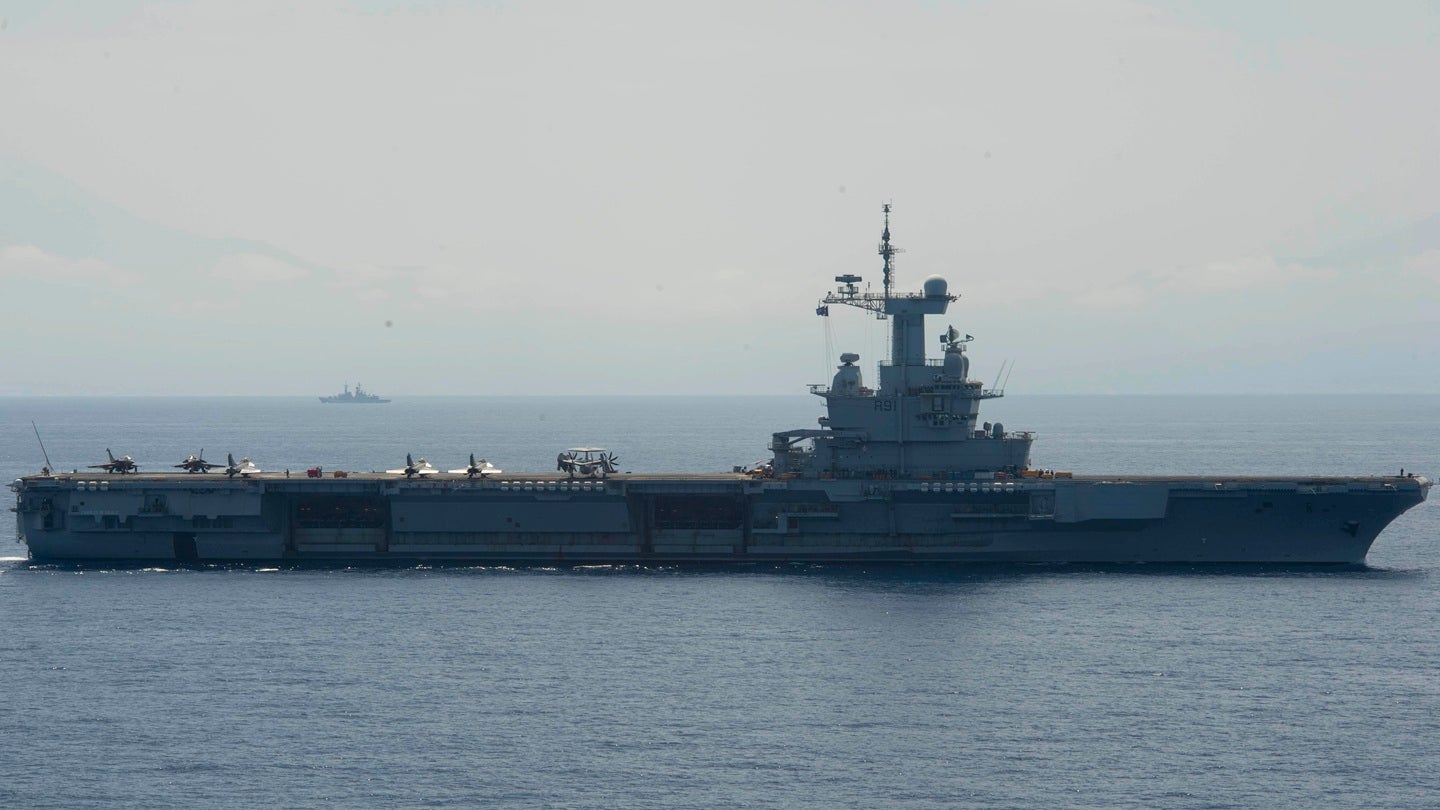
Crisis Escalates as European Navies Mobilize to Protect Cyprus
European naval forces are rapidly deploying to Cyprus amid escalating tensions in the Middle East, highlighting a significant military response to ongoing violence. CENTCOM's recent updates underscore the urgent security challenges faced by regional allies.
European navies are mobilizing to bolster defenses around Cyprus as the Middle Eastern crisis intensifies, with airstrikes and hostilities persisting across the region. The move follows alarming reports of regional destabilization, prompting immediate military reactions from European powers that have historical ties to Cyprus and strategic interests in the Levant.
Tensions have been mounting since the outbreak of conflict in the region, driven by longstanding grievances and territorial disputes. Both sides have conducted relentless airstrikes that have resulted in civilian casualties, further complicating an already volatile security landscape. Cyprus, located strategically between Europe and the Middle East, has become increasingly vulnerable to spillover effects from this escalating violence, prompting European nations to act before their interests are directly threatened.
The mobilization of European navies signals a pivotal shift in the military dynamics of the area, exposing vulnerabilities in regional defenses and raising the stakes for NATO's southern flank. Such deployments indicate a clear alarm over the potential for conflict to spread, which could trigger broader confrontations with other powers in the region, such as Russia and Iran, that may complicate international responses.
Key actors like Greece and France are leading this naval effort, aiming to secure their maritime zones and support NATO's collective defense principles. This response is also reflective of a deeper geopolitical strategy to deter aggression from adversaries and showcase solidarity with allies, particularly in light of the European Union’s renewed focus on security and defense collaboration.
The naval deployments include advanced frigates and support vessels equipped for anti-air and anti-surface warfare, along with aerial surveillance capabilities. These forces are intended to operate under the auspices of NATO while ensuring uninterrupted maritime operations in the Eastern Mediterranean, where tensions have already affected oil exploration and shipping routes.
If these fleets successfully deter further escalation, it may bolster the position of European countries in future negotiations or conflicts; however, failure to contain the situation poses severe risks. Escalation could trigger retaliatory strikes on European targets or even draw in other military powers, further complicating the existing geopolitical landscape.
Historically, this situation echoes the 1974 Turkish invasion of Cyprus, which led to the island’s division, showcasing how regional disputes can have far-reaching consequences. Increased military presence is reminiscent of Cold War-era responses, indicative of the West's intent to counter Russian influence in the region.
Going forward, analysts will closely monitor for any increased military engagements or skirmishes that could spill over into the Mediterranean. Intelligence indicators such as troop movements, naval exercises, and conditional deployments will provide critical insights into evolving strategies among both NATO and non-NATO countries in this precarious environment.