Crisis Erupts as US-Israel Campaign Against Iran Results in Fatalities
The US-Israel military campaign against Iran has entered a perilous phase marked by fatalities. Tehran retaliates with expanding strikes, threatening regional stability and global energy markets.
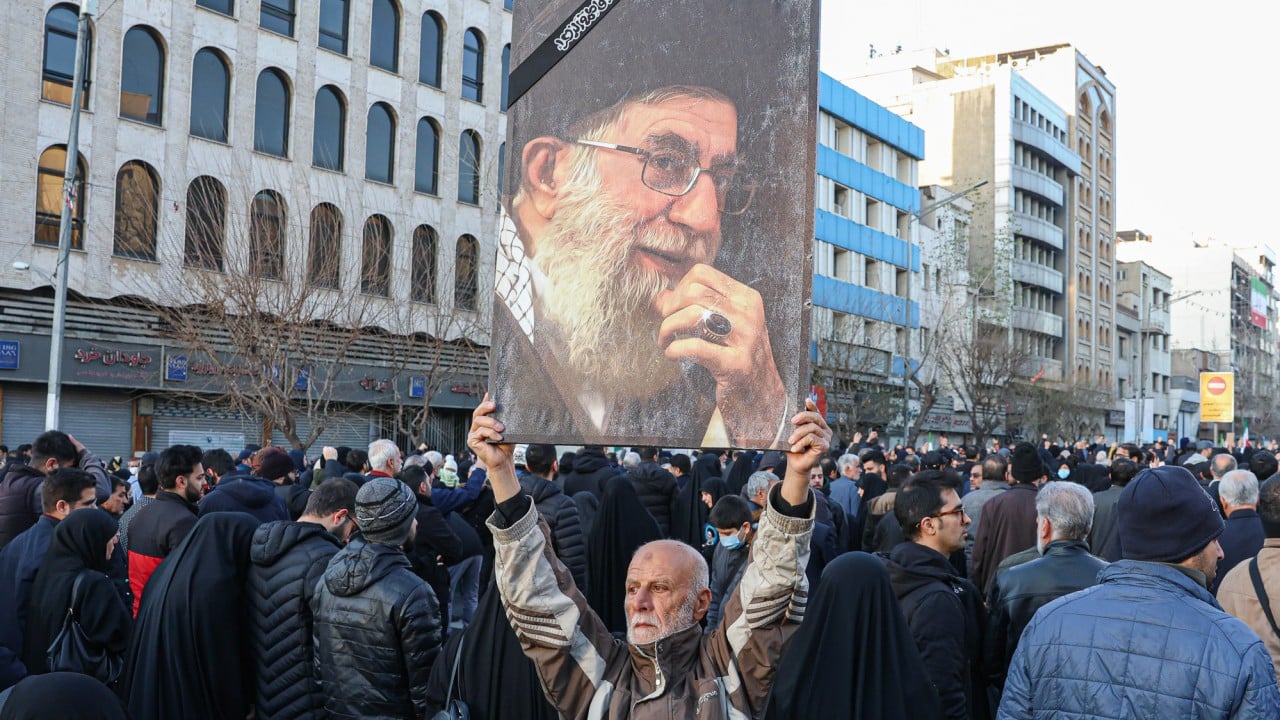
The military campaign led by the United States and Israel against Iran has escalated dramatically, resulting in reported fatalities for U.S. forces. The situation descended into crisis on Sunday, as Iran broadened its retaliatory strikes across the Middle East, with key regional infrastructures at risk. The reopening of conflict following the assassination of Iran’s supreme leader and critical military officials has sent shockwaves through energy markets, particularly with the looming threat of the Strait of Hormuz closing in response to the fighting.
The roots of this conflict are deeply embedded in a history of growing tensions between the U.S.-Israeli alliance and Iranian forces, which have been exacerbated by Iran’s nuclear ambitions and military provocations. The targeted strikes that triggered this current confrontation were hailed as a decisive action by the U.S. and Israel. However, they represent a dangerous departure from coordinated political strategy, throwing regional alliances into disarray and forcing other states to take sides in this rapidly intensifying conflict.
This escalation significantly alters the balance of power in the Middle East, as key strategic partners reassess their positions. Iran's increased military response raises the stakes for U.S. and Israeli troops, jeopardizing their safety and operational integrity. Moreover, the closure of the Strait of Hormuz threatens to choke a critical maritime passage through which around 20% of the world's oil passes, causing potential spikes in energy costs and broader economic instability.
Key players involved in this crisis include not just the U.S. and Israel, but also Iran and its regional allies who are quietly weighing their next moves. Iran's motivations stem from a desire to reaffirm its influence in the face of Western aggression, appealing to nationalist sentiments at home while seeking to retaliate against perceived acts of war that have destabilized the region. Israel, conversely, sees this as an opportunity to decisively undermine Iranian influence, driven by fears of a nuclear-capable adversary on its borders.
Details regarding military capabilities reveal a significant U.S. asset presence in the region, including F-35 Lightning II stealth fighters and naval vessels operating within striking distance of Iran. On the other hand, Iran has demonstrated its own military advancements, deploying ballistic missiles capable of extensive regional strikes. This new phase of confrontation may entail military expenditures soaring into the tens of billions as nations prepare for a protracted conflict.
The likely consequences of this heavily armed standoff include broader military engagement drawing in other nations, especially if hostilities escalate beyond targeted strikes. An international coalition may seek to impose sanctions on Iran or provide military support to U.S. and Israeli forces. Additionally, economic repercussions could ripple out, with energy prices spiking as markets react to the instability surrounding oil transit routes.
Historically, the outbreak of conflict between established powers often leads to drawn-out engagements, with precedents found in the Gulf Wars and previous U.S.-Iran confrontations. Such conflicts have shown a tendency to evolve with unexpected curveballs, including insurgency, proxy warfare, and devastating regional ramifications. The rapid escalation of hostilities in this instance raises significant concerns about the potential for a wider war in the Middle East.
Moving forward, key intelligence indicators to monitor include Iranian missile strikes and retaliatory capabilities, U.S. responses to strategic provocations, and shifts in regional alliances. The global community must remain vigilant, as any miscalculations could easily spiral into a full-blown regional conflict with deep and lasting international consequences.