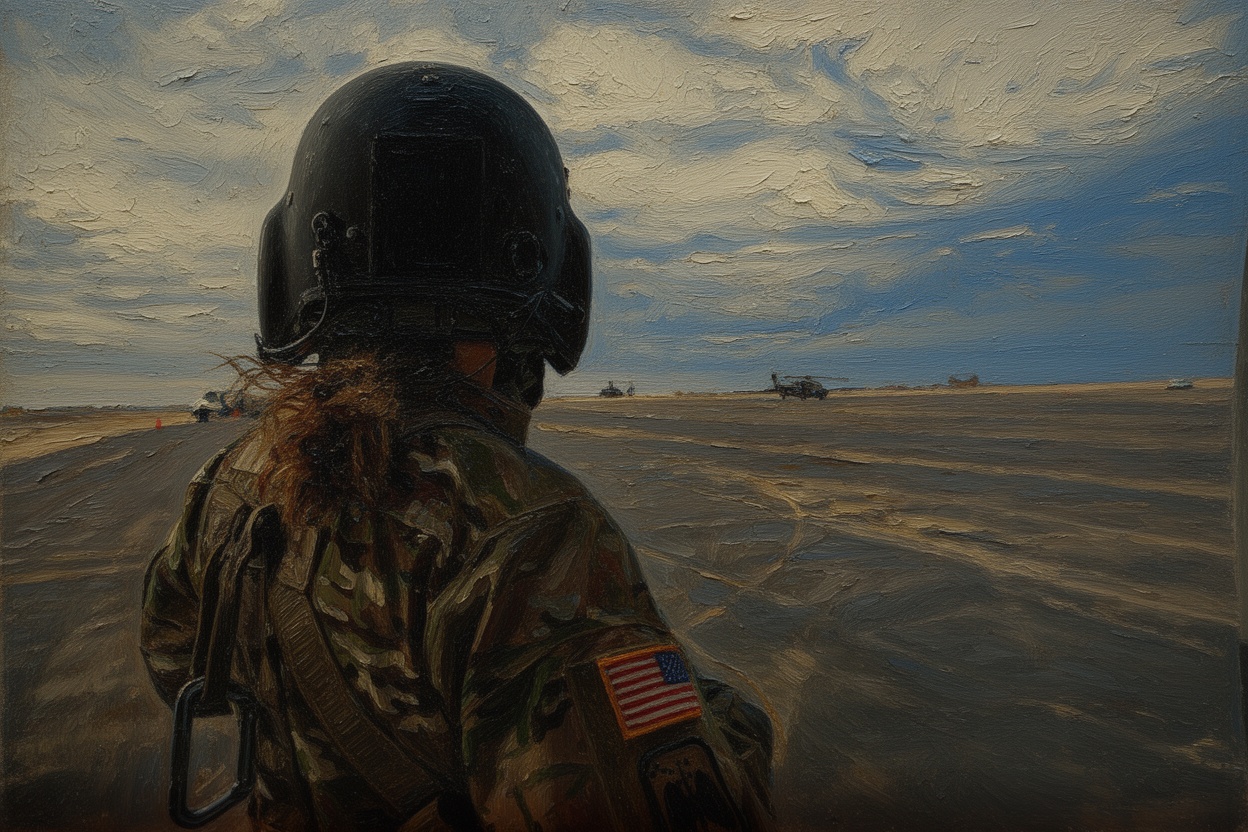
Congress Bill Keeps Military Roles Open to Women
A bipartisan-leaning bill seeks to preserve access for women to ground combat and other previously restricted military roles. It lacks Republican sponsors and positions the move as a response to the Pentagon's review of women in ground combat. The proposal signals ongoing political emphasis on gender integration within the armed forces, with potential ripple effects for doctrine and recruitment across allied forces.
The core development is blunt: a new bill in Congress would keep military roles open to women, including ground combat positions that have been the subject of policy reviews. The measure aims to prevent a rollback of access and would require continued parity in job opportunities within the armed forces. It asserts that barriers to women serving in certain capacities should not be reinstated by policy or law. The bill’s sponsors are not aligned with the Republican Party, which raises questions about the veto risk and broader partisan dynamics.
Context matters: for several years, the Pentagon has reviewed the integration of women into ground combat roles, examining readiness, cohesion, and recruitment implications. The current push comes as part of a domestic policy debate about equality of opportunity within elite military branches. International partners watch closely because shifts in U.S. policy often set benchmarks for NATO and partner nations. The debate also intersects with broader discussions on force design, career progression, and the pipeline of female servicemembers into senior leadership.
Strategically, the bill could influence U.S. military credibility and deterrence messaging. If enacted, it would reinforce the U.S. position on equality of service and could shape allied military recruiting narratives. Conversely, if the proposal stalls, it may fuel political tensions surrounding gender roles in the armed forces and complicate joint training programs with partner forces that emphasize inclusive policies. The domestic political climate will determine whether this is a short-term reform or a long-term baseline for personnel policy.
Operationally, the absence of Republican sponsorship suggests this is a high-visibility policy signal rather than a guaranteed legislative outcome. The Pentagon’s ongoing studies on gender in combat would continue to guide any future changes in training, job qualification standards, and command eligibility. Budgetary and manpower implications remain a focal point for lawmakers evaluating potential shifts in recruiting, retention, and readiness funding. Analysts should expect continued debates over the balance between merit-based assignment and societal commitments to inclusion within the force.
Looking ahead, the bill’s fate will hinge on party-line dynamics and the perceived impact on unit readiness. If the proposal gains traction, expect pushback from lawmakers prioritizing traditional force structures and from senior officers wary of untested assumptions about cohesion. The broader security environment—especially alliance readiness and interoperability—will color how allies interpret Washington’s stance on women in combat roles and how they adjust their own policies accordingly.