Concerns Over Nuclear Technology Exchange in Russia-North Korea Alliance Amid Ukraine Conflict
Analysts express concern over a potential exchange of sensitive nuclear technology between Russia and North Korea. This development could significantly alter the balance of power in the region and enhance North Korea's military capabilities while complicating the geopolitical situation surrounding Ukraine.
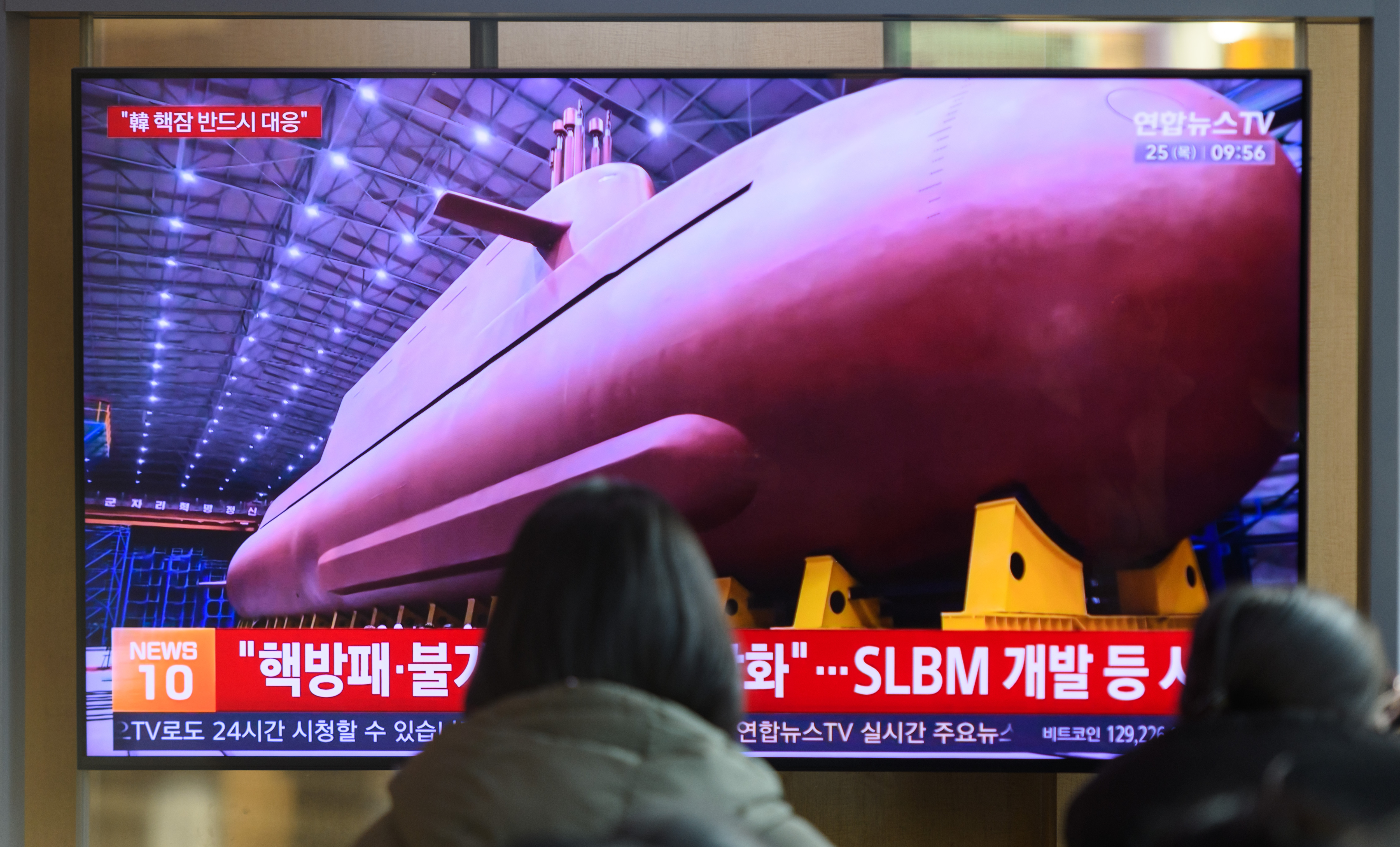
Recent discussions among defense analysts have raised alarms regarding a possible nuclear technology exchange between Russia and North Korea in the context of the ongoing war in Ukraine. Reports suggest that Russia might contemplate providing North Korea with advanced submarine technology, which includes details on nuclear propulsion systems, if Pyongyang increases its military support to Moscow, particularly in the conflict against Ukraine. Such an exchange would involve highly sensitive information and could fundamentally shift military power dynamics in Northeast Asia.
This potential quid pro quo is significant in the current geopolitical landscape, as it highlights the increasing cooperation between two nations that are both isolated from the international community. Russia, facing sanctions and military challenges in Ukraine, is looking for ways to bolster its military capabilities while North Korea aims to enhance its strategic deterrent through advanced naval technology. The implications of such an alliance extend beyond bilateral relations; they pose a direct threat to regional stability and the existing non-proliferation regime.
Key players in this scenario include the Russian Ministry of Defense and North Korea’s state apparatus, which is under Kim Jong-un’s leadership. Russia, seeking to leverage North Korea’s support in the Ukraine theater, may be motivated by desperation and a need for military reinforcement. Conversely, North Korea seeks to acquire technology that could strengthen its nuclear submarine program, which is vital for achieving greater strategic autonomy and deterrence against perceived threats, particularly from the United States and South Korea.
The ramifications of a Russia-North Korea technological partnership could be profound. The region may witness a resurgence of military activity, as North Korea embarks on enhancing its submarine fleet with nuclear capabilities. Such developments would likely provoke an international response, prompting an arms race in Northeast Asia and necessitating shifts in defense postures by South Korea, Japan, and even China. Furthermore, the global nuclear non-proliferation framework could be undermined as these two states operate outside established norms, potentially encouraging other nations to pursue similar paths.
Historically, the cooperation between Russia and North Korea has waxed and waned, often fluctuating based on the geopolitical climate. However, recent evidence suggests a renewed impetus toward formal military-political collaboration, reminiscent of Cold War dynamics. If established, this partnership could see a revival of joint military exercises and defense technology exchanges that echo past alliances.
In conclusion, the analyst outlook remains cautious. While the likelihood of a complete exchange of such sensitive technology might invoke serious concern, the prospect of increased military collaboration cannot be disregarded. Stakeholders in the region must remain vigilant to developments that suggest an escalation in such cooperation, which could harbor significant threats to international security frameworks as we know them today.