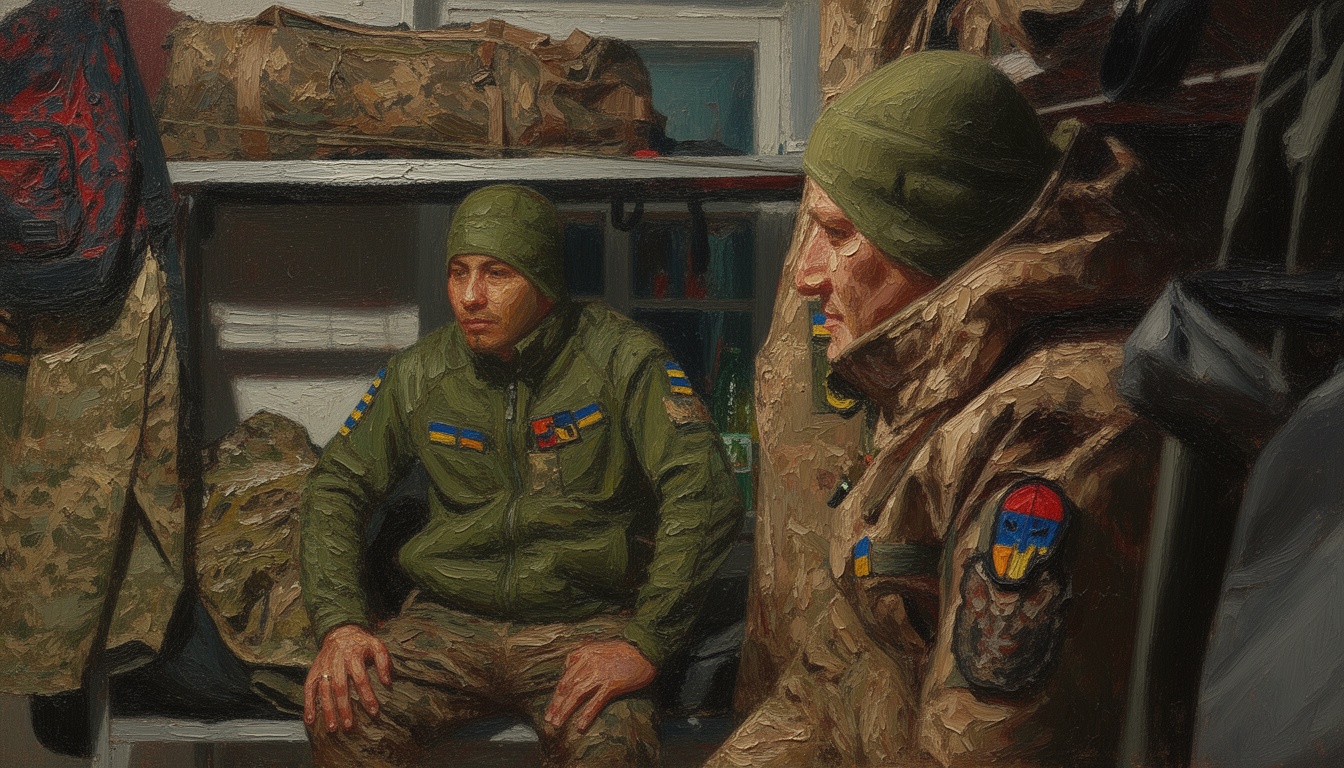
Colombian Fighters Flood Ukraine Frontlines for Pay and Adventure
Colombian volunteers are joining Ukraine’s fight, drawn by higher salaries and a sense of adventure. Frontline Spanish is as common as Ukrainian in some sectors. The migration of these fighters raises questions about nationalism, recruitment, and family impact in Colombia.
English content:
The core development centers on a growing cohort of Colombian soldiers who have traveled to Ukraine to fight. Frontline units in eastern Ukraine reportedly include speakers of Spanish, with Colombian volunteers becoming a noticeable presence in some battleground sectors. While official numbers are not published, multiple reports describe pay scales and terms enticing players who face limited options at home. The phenomenon adds a new layer to the war’s labor dynamics and international involvement.
Background context outlines how Colombia’s long internal conflict shapes attitudes toward foreign conflict engagement. Veterans and ex-military personnel often face unemployment or underemployment after service, making abroad combat assignments attractive. In parallel, some Colombians view Ukraine’s resistance as a cause aligned with broader anti- aggression narratives in Europe and beyond. The combination of opportunity, risk, and ideological appeal drives decision-making in uncertain situations.
Strategic significance rests on how foreign fighters affect battle readiness and civilian morale on the Ukrainian side. The presence of non-Ukrainian volunteers complicates recruitment, oversight, and legal status for combatants crossing borders. It also signals a broader willingness among different regions to participate in high-stakes conflict as part of Western-aligned security efforts. Analysts weigh whether this trend alters deterrence calculations for Russia and influences regional security dynamics.
Technical or operational details include references to recruitment channels, training timelines, and the kinds of roles Colombian fighters assume. Some reports note that volunteers operate in reconnaissance, logistics, or infantry support under Ukrainian command structures. Pay scales, stipends, and travel costs are described as major factors, with families scrutinizing the implications of long deployments. The evolving air, ground, and cyber dimensions of the war shape how these fighters integrate into Ukrainian operations.
Likely consequences include increased international attention on foreign fighter policies and potential diplomatic ramifications for Colombia. If the trend grows, Colombian authorities may face scrutiny over regulation, vetting, and repatriation challenges. For Ukraine, the infusion of foreign fighters raises questions about command, discipline, and the long-term stability of volunteer networks. The forward outlook remains contingent on battlefield trajectories and political developments in the region.