Coast Guard Expansion Signals Growing Security Priorities in Gulf Region
The establishment of a second recruit training center in Alabama amplifies the U.S. Coast Guard's operational capabilities in response to escalating maritime security threats. This move underscores an increasing focus on national sea control and readiness in a strategically vital area.
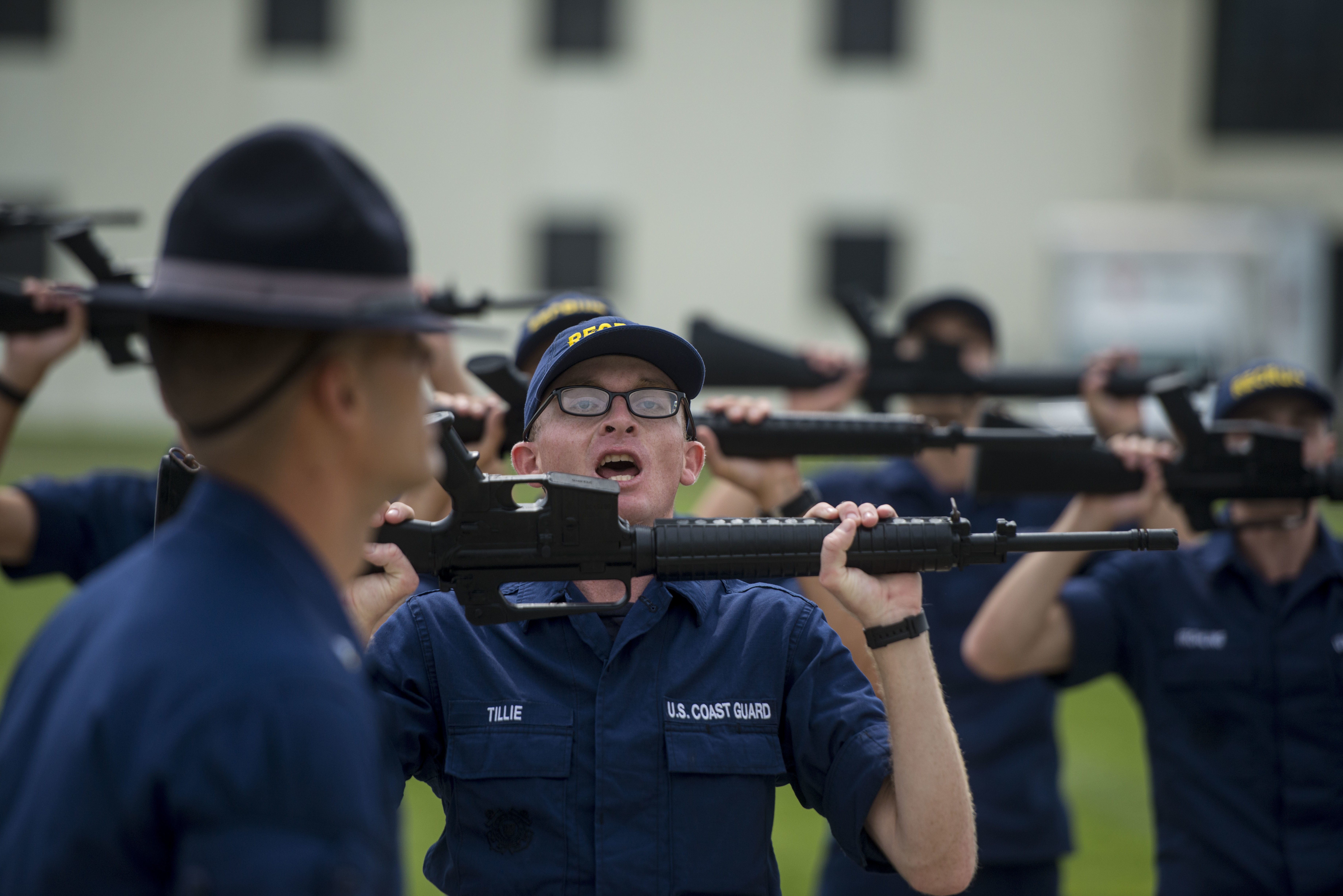
The U.S. Coast Guard has decisively selected Alabama as the location for a new recruit training center, slated to begin operations by the end of this year. This initiative, through expanded training infrastructure, aims to bolster the military branch's capacity to address evolving threats in coastal and maritime environments. The strategic decision to open a second recruit training facility, following the original center in Cape May, New Jersey, indicates a significant shift in focus toward enhancing regional readiness and response capabilities across critical waterways.
The selection of Alabama is no accident; the Gulf Coast region has historically served as a hub for maritime commerce and fisheries, which are increasingly vulnerable to both natural disasters and geopolitical tensions. Over the past several years, the frequency of incidents ranging from illegal fishing to human trafficking in U.S. waters has risen, prompting the Coast Guard to reevaluate its training needs. This expansion reflects a broader trend of heightened operational demands on the service as it grapples with the implications of climate change, increased vessel traffic, and heightened international competition in maritime domains.
Significantly, this development may alter the power dynamics within the Gulf region, as an enhanced Coast Guard presence could deter illicit activities and strengthen U.S. sovereignty over its maritime borders. Moreover, a new training center allows for a faster response rate to emergent threats, operationalizing quicker deployments and augmenting intelligence collection capabilities. In a time when adversaries, namely Russia and China, are extending their naval reach and influence, the Coast Guard's commitment to readiness not only improves American maritime security but also reinforces allied operations in the Gulf.
Key stakeholders in this initiative likely have diverging motivations. While the Coast Guard focuses on operational effectiveness and bolstering national security, local Alabama officials see economic growth and job creation from the facility's establishment. Additionally, the federal government's commitment to increasing border security may drive the decision-making process; the training center aligns well with national interests in countering transnational crime and protecting U.S. waters.
The Alabama training center is set to accommodate up to 400 recruits annually, providing accelerated and intensive training protocols that leverage modern technology and methodologies. This will include simulations relevant to contemporary maritime challenges, such as cyber threats and anti-smuggling tactics. The investment in training infrastructure also correlates with the Coast Guard’s increasing operational budget, which has seen a bump, striving for $12 billion in fiscal year 2024 to enhance capabilities across various fronts.
Consequences of this expansion could manifest through an increased posture shift in local U.S. Coast Guard forces, paving the way for more aggressive law enforcement and security operations in the Gulf. As recruits begin their training, collaboration with federal, state, and local agencies can be expected to ramp up, reinforcing a coherent defense strategy against both traditional and non-traditional threats. The anticipatory shift in operational tactics could also confront international partners as the Coast Guard implements stricter enforcement measures.
Past expansions of military training facilities reveal trends in national security responses to imminent threats, such as during the Cold War. As U.S. forces refocused on asymmetric warfare and unconventional threats, parallels emerge with the current operational environment where soft power strategies are routinely challenged by hardline tactics. Historical precedent indicates that such expansions often correspond with escalations in regional tensions, making vigilance essential.
Going forward, potential indicators to monitor include recruitment numbers, operational readiness assessments, and any public statements regarding collaborative endeavors with other nations in maritime law enforcement. Intelligence assessments should focus on how this facility influences regional threat landscapes, particularly in relation to changing patterns in drug trafficking and human smuggling operations. Observing the operational integration of the new recruits and their deployment in Gulf missions will provide critical insights into the Coast Guard's evolving posture and strategic goals.