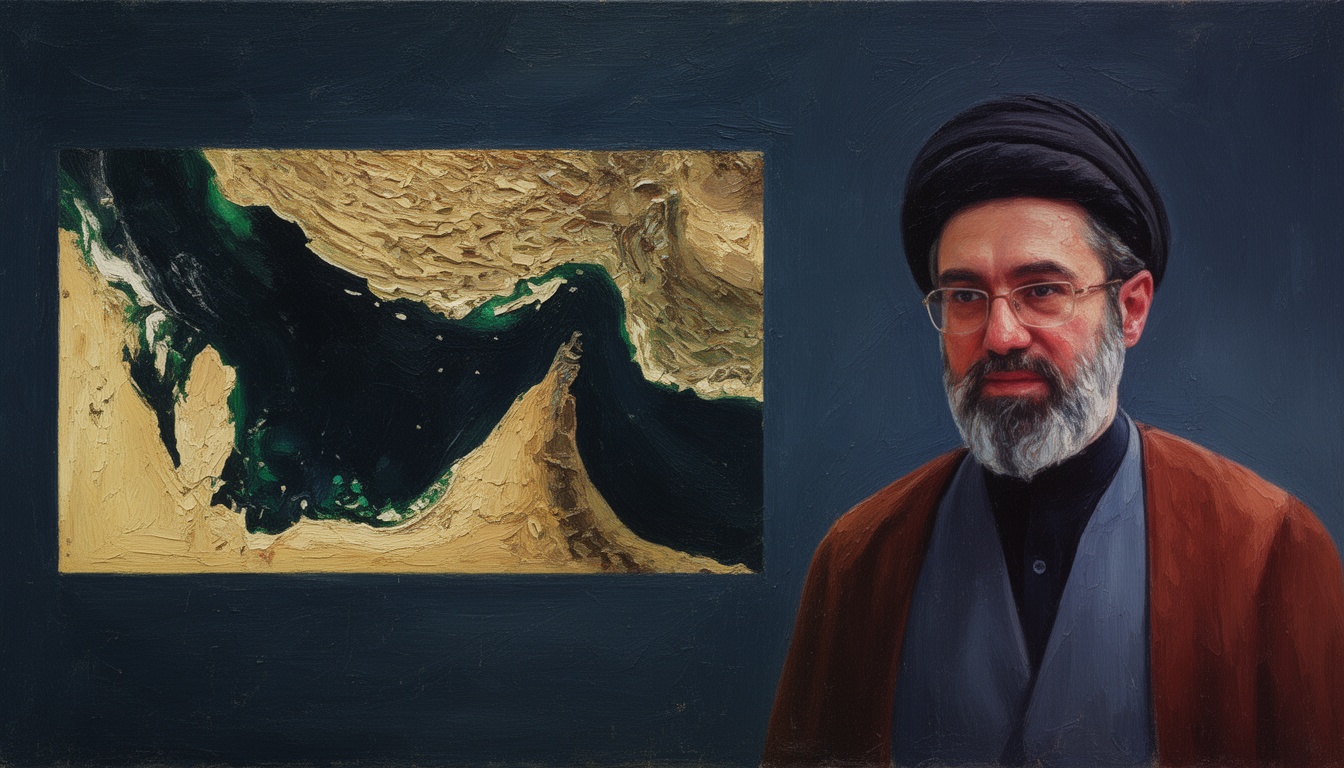
Cloud of uncertainty over US-Iran talks in Pakistan as sides trade accusations
The planned US–Iran talks in Pakistan open with mounting ambiguity. negotiators’ arrival unsettled as both sides blame each other for failing to sustain a fragile ceasefire. Trump criticizes Iran’s handling of the Hormuz Strait, while Tehran blames Israeli strikes in Lebanon and seeks to expand the agreement’s reach.
An atmosphere of uncertainty envelops the Pakistan-hosted talks between the United States and Iran as of Friday, with no clear timetable for negotiator arrivals. Islamabad has kept preparations ongoing, signaling that the high-stakes discussions will proceed despite the lack of a formal start. Both sides have publicly accused the other of failing to implement the fragile ceasefire, complicating efforts to stabilize the region.
The dispute over the ceasefire’s implementation is sharpening the political divide surrounding the talks. Washington asserts that Tehran is not meeting its commitments, while Tehran insists that its obligations are being undermined by external actions. The stalemate feeds a broader narrative of mutual distrust that has characterized the negotiations for months. Regional actors watch closely, fearing a relapse into greater malaise if talks collapse.
Strategically, the talks sit at a crucial juncture for dissuasion and deterrence in the Persian Gulf. The United States seeks to preserve freedom of navigation and a stable Hormuz Strait, while Iran seeks concessions that preserve its regional influence. The Pakistani mediation adds a dimension of regional anchoring, but it also raises questions about the durability of any agreed framework given the volatile trust environment.
Technical and operational details remain scarce publicly. The ceasefire mechanics, verification provisions, and enforcement mechanisms are central to the negotiations, but the official text remains undisclosed. Observers expect any eventual agreement to address sanctions relief, regional troop posture, and potential phased commitments to reduce tensions. The coming days will indicate whether the sides can convert rhetoric into concrete steps on the ground.
The likely consequence of the current stalemate is increased regional volatility and deeper diplomatic entrenchment on both sides' positions. If discussions stall, leverage during future bargaining could shift decisively toward hardline actors in the region. Analysts will be watching for any signs of a prompt breakthrough or a strategic pause that could buy time for policy recalibration in Washington and Tehran.