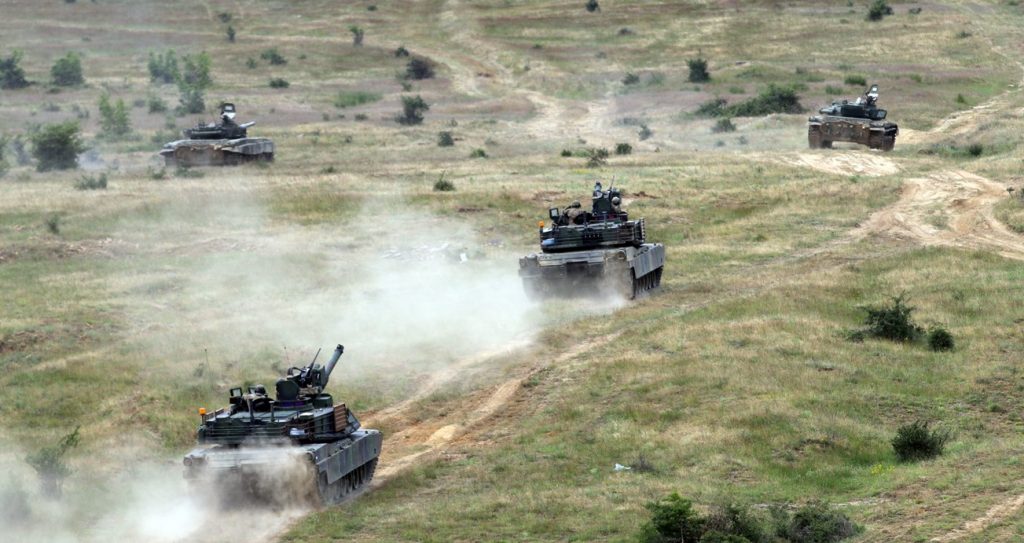
Clear divide in NATO eastern flank readiness risks crisis
Analysis shows a stark split in military readiness along NATO's eastern border. Sustainment, maintenance, and logistics gaps threaten near-term dissuasion and rapid deployment. The report flags funding and infrastructure as the decisive bottlenecks shaping deterrence dynamics.
The report identifies a clear divide in military readiness along NATO's eastern flank. Frontline forces display improving lethality and maneuver capability, but sustainment lags behind. The authors warn that without rapid improvements in maintenance and logistics, the effect of superior firepower may be blunted in a crisis.
Context matters: many eastern flank states have upgraded equipment and trained units since 2022, yet supply chains and transport networks remain underdeveloped. Strategic stockpiles are uneven, and civilian infrastructure constraints magnify unit fragility during extended mobilizations. This gap compounds the challenges of rapid-mobilization drills that Western allies rely on to deter aggression.
Strategically, sustainment is the hinge on which deterrence balances. A robust logistic tail enables sustained combat operations, while gaps invite adversaries to seek short, decisive windows to seize strategic advantage. The division in readiness could push allies toward ad hoc arrangements, eroding the predictability central to alliance credibility. The report therefore treats logistics resilience as a top-line issue for NATO’s posture tech and policy.
Operationally, maintenance backlogs, limited depots, and aging transport networks constrain readiness recovery between exercises and actual deployments. The authors highlight that even with modern weapons platforms, insufficient repair capacity and constrained fuel, ammunition, and parts pipelines degrade presence and effect. Budgetary stress and procurement lags feed into a fragile logistics architecture that undermines rapid relief and reinforcement.
Looking ahead, expect heightened attention to industrial capacity, regional supply corridors, and pre-positioned stocks. If sustainment gaps persist, adversaries may exploit them through calculated timing and embodied risk. NATO’s eastern border deterrence will depend not only on weapons but on the unseen backbone of logistics, maintenance, and reliable transport.