Chinese Satellite Achieves Pioneering Refuelling Test in LEO
A Chinese commercial satellite successfully conducted an in-orbit refuelling experiment in low Earth orbit using an advanced flexible robotic arm. This milestone marks significant progress in extending satellite operational lifespans and developing autonomous servicing capabilities.
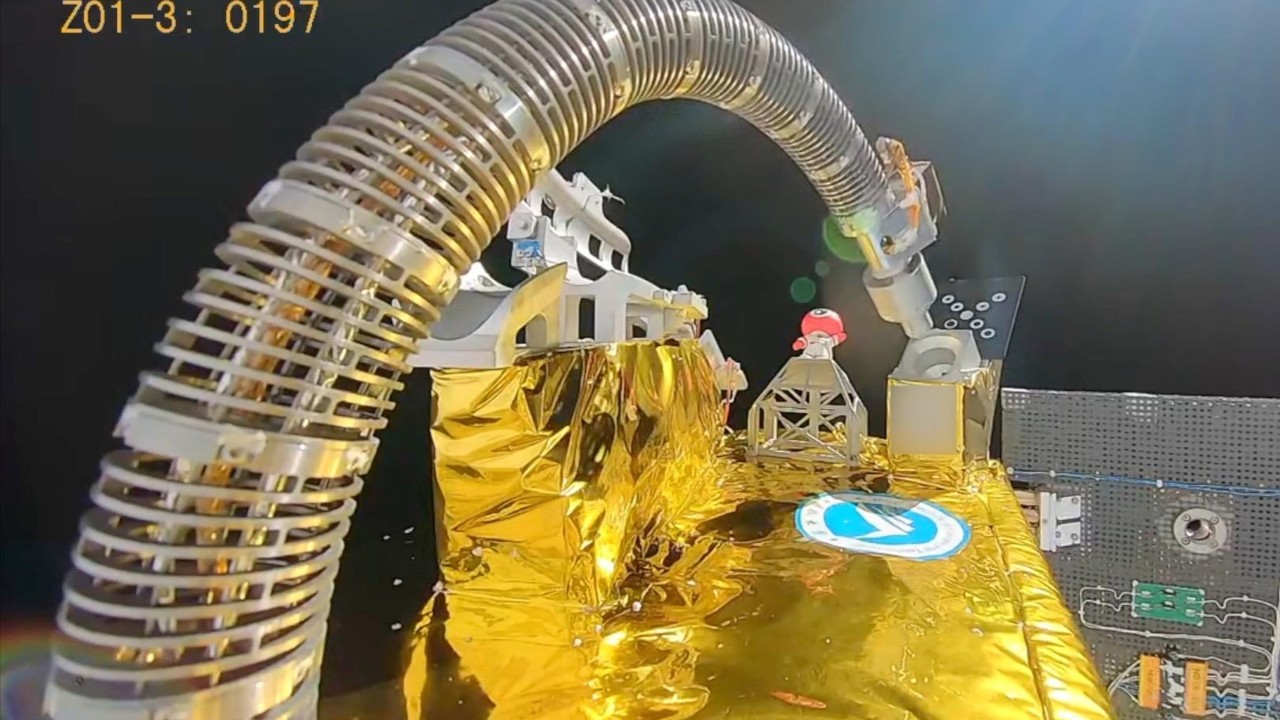
China's Hukeda-2 (Yuxing-3 06) demonstration satellite recently completed a groundbreaking refuelling test in low Earth orbit (LEO), utilizing a novel flexible robotic arm likened to an 'octopus tentacle.' Launched from the Jiuquan Satellite Launch Center in Gansu province, the satellite performed complex compliance control and refuelling operations autonomously. The robotic arm's design allows multi-degree flexibility, enabling it to curl and twist to maneuver around satellite components, a capability critical for servicing missions.
This successful test underscores China's growing expertise in in-orbit servicing technologies, which have strategic implications for satellite longevity and space asset sustainability. The ability to refuel and maintain satellites on orbit reduces the need for frequent replacements, ultimately lowering costs and extending mission durations. Hukeda-2's flexible arm represents an advancement over traditional rigid robotic manipulators, offering enhanced dexterity and operational reach in the constrained environment of space.
Developed by Chinese aerospace manufacturers under state guidance, this technology positions China at the forefront of commercial in-orbit servicing. Potential applications extend beyond refuelling to include repairs, upgrades, debris removal, and modular satellite assembly, which are essential for realizing long-term orbital infrastructure. Continued refinement and deployment of such systems could enable China to support both government and commercial satellite fleets efficiently. This demonstration signals a strategic effort to enhance space asset resilience and operational autonomy amid increasingly contested orbital domains.