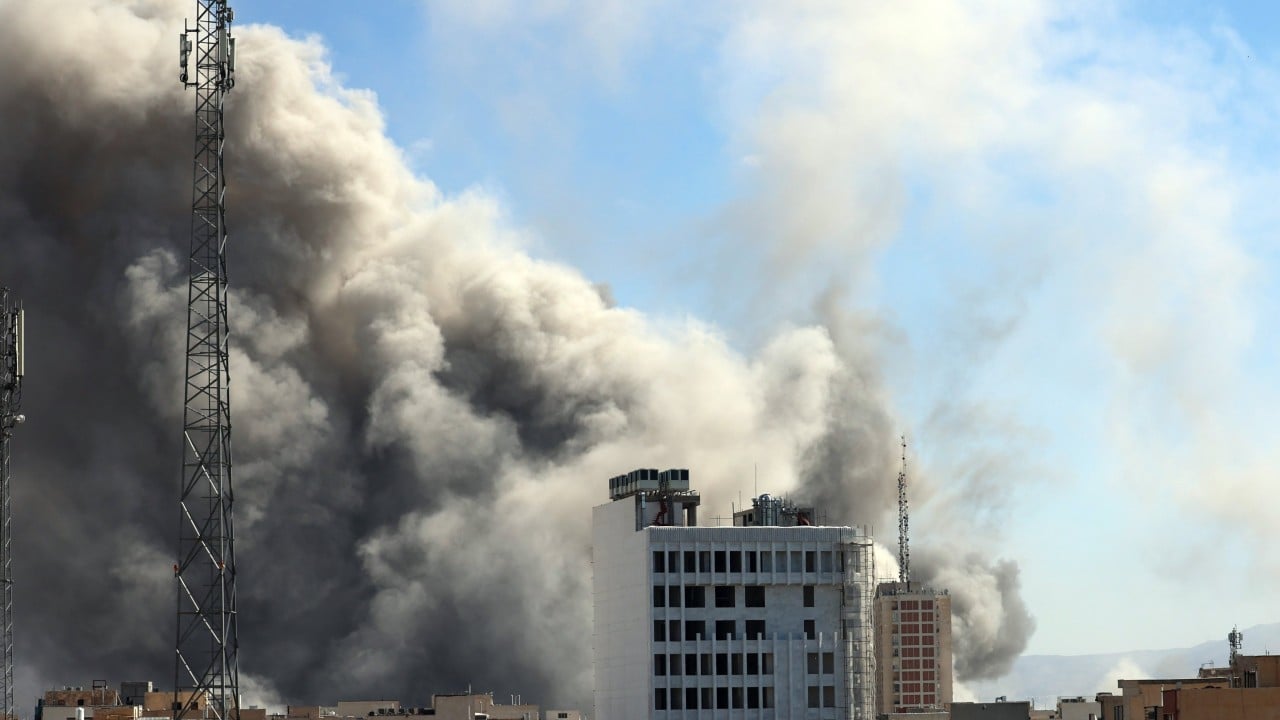
Chinese Investors Hit by US-Israel Strikes on Iranian Infrastructure
Chinese firms face disruption as US-Israel strikes paralyze Iranian trade channels. This jeopardizes China's crucial economic interests in the region and exposes vulnerabilities in Sino-Iranian relations.
Joint airstrikes on Iranian targets by the United States and Israel have effectively paralyzed Chinese business operations in Iran, leaving shipments halted and financial transactions in limbo. Reports indicate that since these coordinated strikes began, Chinese exporters have been unable to contact clients, putting their investments and trade routes at grave risk.
The strikes are a significant escalation of the long-running tensions between Iran and both the United States and Israel. Historically, the Middle East has been a volatile region marked by conflicts and competing interests. China's growing involvement in Iranian markets has seen it position itself as a key player in Iranian energy and infrastructure sectors, attempting to counter the influence of the West following the 2015 nuclear agreement.
This situation poses serious strategic risks for China. As one of Iran’s largest trading partners, a disruption of operations can destabilize not just bilateral trade but also affect Beijing's Belt and Road Initiative ambitions in the region. The ongoing crisis challenges China’s ability to secure energy supplies and maintain economic growth, compelling state-owned enterprises to navigate a complex geopolitical landscape.
Key players here are not just the Chinese firms and the Iranian government; the United States and Israel's military goals are clear: to undermine Iranian military capabilities and disrupt its regional influence. China is driven by economic gains, but this clash of interests could force it into a defensive posture, potentially limiting its operations and investments in hostile environments.
The operational specifics reveal that many Chinese companies have invested heavily in Iranian projects, particularly in oil, gas, and infrastructure. In 2022 alone, trade between China and Iran reached approximately $15 billion, with projections of further increases. However, immediate fears are growing due to the strikes targeting critical logistics and transportation hubs, which are vital to sustaining trade flows.
The consequences of these strikes could lead to broader regional destabilization, impacting not only Iranian stability but also potentially drawing other regional players into the conflict. If supply chains for critical goods remain disrupted, it can trigger economic fallout throughout the region, affecting countries reliant on Iranian imports.
Historically, international interventions in Iran have led to increased nationalism and resistance against foreign influence. The 1979 Iranian Revolution serves as a precedent where foreign aggression galvanized public support for the regime, complicating future relations with external powers. Similarly, this situation could solidify Iran’s ties with Russia and China as counterweights against US hegemony.
Looking ahead, it's crucial to monitor not only the immediate impacts on Chinese businesses but also how this escalates geopolitical tensions in the region. Key intelligence indicators include changes in operational plans by Chinese firms, Iranian military responses, and shifts in international diplomatic strategies toward Iran as the situation unfolds.