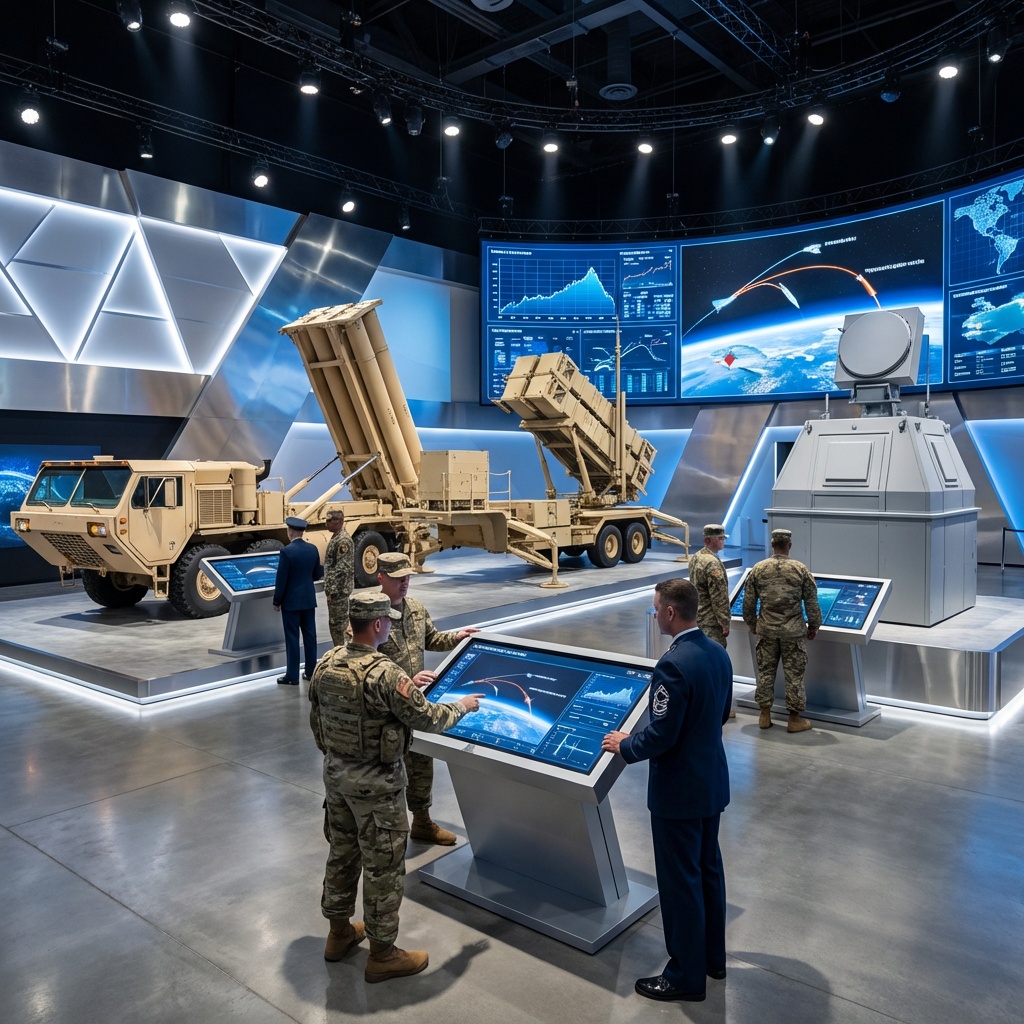
Chinese Analysis Questions Effectiveness of US Missile Defense Systems Against Hypersonics
Recent Iranian hypersonic missile strikes prompt scrutiny of US defense capabilities. A Chinese publication highlights potential shortcomings of THAAD, Patriot, and Aegis systems.
{"introduction":"In the wake of escalating hostilities in the Middle East, particularly following Iran's recent missile launches against Israeli targets, a Chinese defense analysis has surfaced, casting significant doubt on the effectiveness of US missile defense systems, including the Terminal High Altitude Area Defense (THAAD), Patriot, and Aegis. These remarks coincide with a broader narrative from Beijing regarding the increasing capabilities of hypersonic missile technology and its implications for global security dynamics.","technical_overview":"The Iranian arsenal reportedly includes advanced hypersonic missiles capable of executing maneuvers that challenge existing missile defense architectures. Traditional systems such as THAAD, designed for intercepting ballistic threats, may face difficulties countering hypersonic projectiles, which can reach speeds exceeding Mach 5 and utilize unpredictable flight paths. The performance metrics of the Patriot system, historically emphasized for its effectiveness against aircraft and subsonic missiles, are also called into question as it may struggle to adapt to this new class of threats. Meanwhile, the Aegis system, primarily employed by naval forces, must continue to evolve to maintain its relevance in this fast-paced environment.","strategic_significance":"The implications of this analysis are profound, particularly as tensions intensify between Iran and both Israel and the US. China's assertions regarding the inadequacies of US missile defenses could influence military strategy and procurement decisions among potential US adversaries. This situation underscores the necessity for the US and its allies to advance their defense technologies to counter the evolving landscape presented by hypersonic weapons. Failure to do so may embolden adversaries, as the vulnerabilities in American defense systems become more apparent on the battlefield.","manufacturer_information":"The systems in question—THAAD, Patriot, and Aegis—are developed by leading defense contractors, including Lockheed Martin and Raytheon. Each system has garnered extensive operational experience globally, particularly in coalition operations in the Middle East. The pressing challenge for these manufacturers is to integrate more advanced technologies, like directed energy weapons or enhanced radar systems, to improve interception probabilities against hypersonic trajectories.","potential_applications":"As the threat of hypersonic missiles becomes more pronounced, the need for cutting-edge research and development in missile defense is clear. Innovations could include the integration of artificial intelligence for faster data processing and decision-making, as well as the deployment of layered defense strategies that incorporate both kinetic interceptors and advanced electronic countermeasures. This evolving landscape will not only define future engagements in the Middle East but also reshape global military alliances and defense procurement strategies in the years to come."}