China’s Yuan Settlements Hit Record Amid Iran Conflict Catalyst
China’s cross-border yuan transactions reached record highs driven by rising Middle East tensions. Experts attribute increased yuan demand to its growing role in global oil trade and strengthened financial infrastructure. The Iran conflict has accelerated yuan’s internationalization efforts, reshaping payment dynamics in the region.
China's yuan settlements via the cross-border interbank payment system have surged to unprecedented levels, experts report. This growth is closely linked to escalating tensions and conflict in the Middle East, notably involving Iran. Analysts identify these geopolitical strains as a pivotal factor boosting demand for yuan-based transactions.
The yuan's rise follows years of Chinese initiatives to expand its global financial infrastructure and elevate the yuan as a viable alternative for international trade settlements. This strategy includes facilitating yuan use in energy imports, especially crude oil, which has seen increased activity amid Middle East instability.
Strategically, expanding yuan settlements helps China reduce reliance on traditional Western currencies like the US dollar and strengthens its influence in regional and global payment systems. Given Iran’s role as a major oil exporter, the conflict intensifies the need for trade partners to avoid sanctions and currency restrictions.
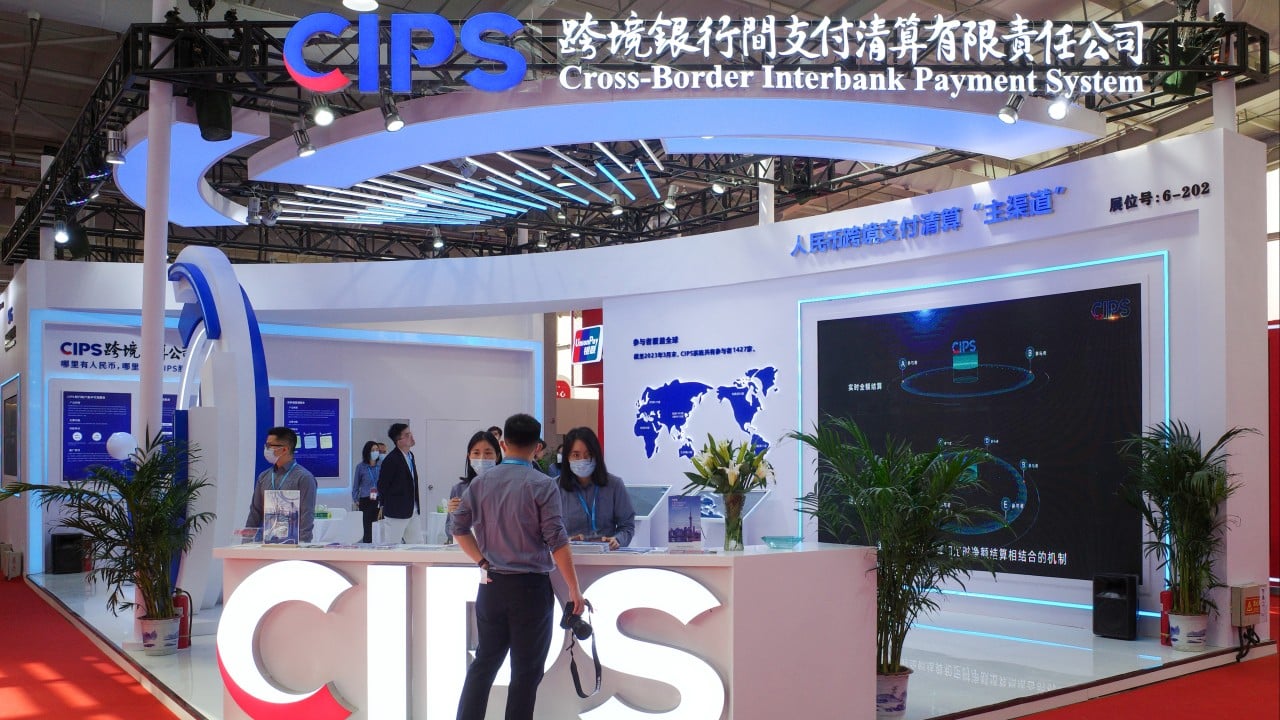
Technically, China’s Cross-Border Interbank Payment System (CIPS) enables efficient yuan clearing and settlement for cross-border trades, including oil and commodities. The system’s enhanced connectivity with Middle Eastern and Eurasian countries supports this spike, providing a robust alternative amid global geopolitical turbulence.
Looking forward, the Iran conflict may accelerate yuan internationalization, encouraging broader adoption in the Middle East and beyond. This development could shift energy trade payment preferences and challenge entrenched US dollar dominance, with significant implications for global economic and geopolitical balances.