China's Space Ambitions Threatened by Long-Term Survival Challenges on Exoplanets
China's advancements in human spaceflight are overshadowed by critical survival challenges for long-term missions. The nation must address these obstacles to maintain its competitive edge in the global space race.
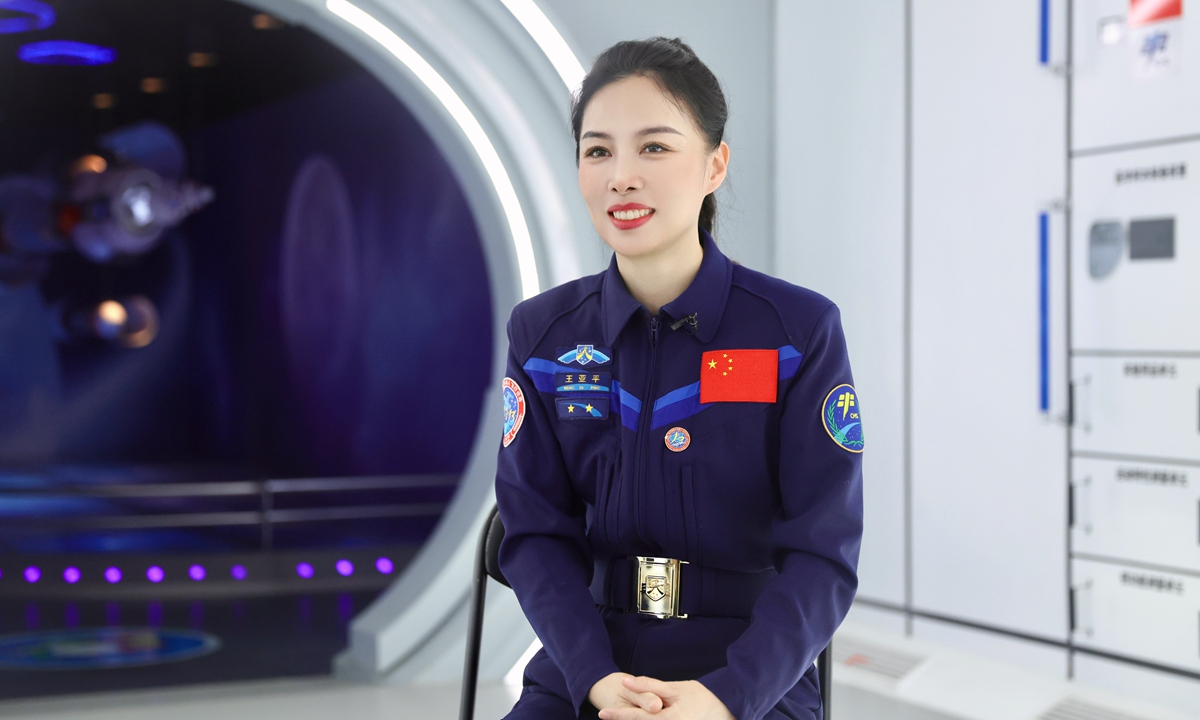
China's aspirations for space supremacy face serious hurdles as the country grapples with the significant issues of long-term human survival in extreme extraterrestrial environments. This concern was recently underscored by the announcement from China's astronaut center, which emphasized the difficulties in sustaining human life on exoplanets. Despite the successful entry of China's first female taikonaut into its space station, the focus remains sharply on survival strategies rather than exploration successes.
Historically, China's space program has made remarkable strides, particularly with the successful launch of its crewed missions and the construction of the Tiangong space station. However, as the nation plots a course towards potential missions to Mars and beyond, the pressing need to conquer the challenges of life-sustaining systems becomes paramount. Prior incidents involving life-support failures in past missions raise serious concerns about the viability of long-duration space ventures.
This situation is significant for global security and strategic positioning in space. As multiple nations vie for dominance in space technology, China's struggle with survival systems exposes vulnerabilities that could have repercussions beyond immediate space exploration goals. The country’s ability to maintain a human footprint in space amid these challenges could redefine power dynamics in the geopolitical landscape of space exploration.
Key players in this arena include government bodies, private sector ventures, and international collaborators. China's National Space Administration (CNSA) is likely motivated by a blend of national pride, technological advancement, and military implications tied to space capabilities. The presence of political advisors further indicates that the strategic importance of space exploration is viewed through a multifaceted lens, encompassing scientific, economic, and military dimensions.
Technical specifications regarding proposed survival technologies remain sparse, but existing life-support systems aboard the Tiangong space station have faced criticism for their limitations in extended operations. As China's crewed missions extend beyond low Earth orbit, the need for advanced systems to manage the air, water, and radiation exposure becomes increasingly urgent — potentially requiring billions of dollars in investment and time-consuming research.
The consequences of failing to overcome these survival challenges could be severe, leading to stagnation in China's space program and a potential comparative advantage for competing nations like the United States and Russia. As tensions regarding global space leadership escalate, China's struggles could ignite further investments into strategic technologies and partnerships, as nations maneuver to fill the potential vacuum left by any faltering Chinese efforts.
Looking back, parallels can be drawn to the early days of human space exploration when both the U.S. and the Soviet Union faced insurmountable challenges in sustaining crews during long missions. This history of trial and error serves as a critical reminder of the complex nature of human space travel, raising questions about the sustainability of prolonged missions now more than half a century later.
Moving forward, key indicators to watch include the funding allocated to long-term survival research and advancements in life-support technologies. Observations of upcoming missions will reveal how China plans to tackle these challenges and its response to setbacks. The global community will keenly monitor whether China can adapt its strategies to ensure a viable human presence beyond Earth, shaped by both scientific determination and geopolitical calculations.