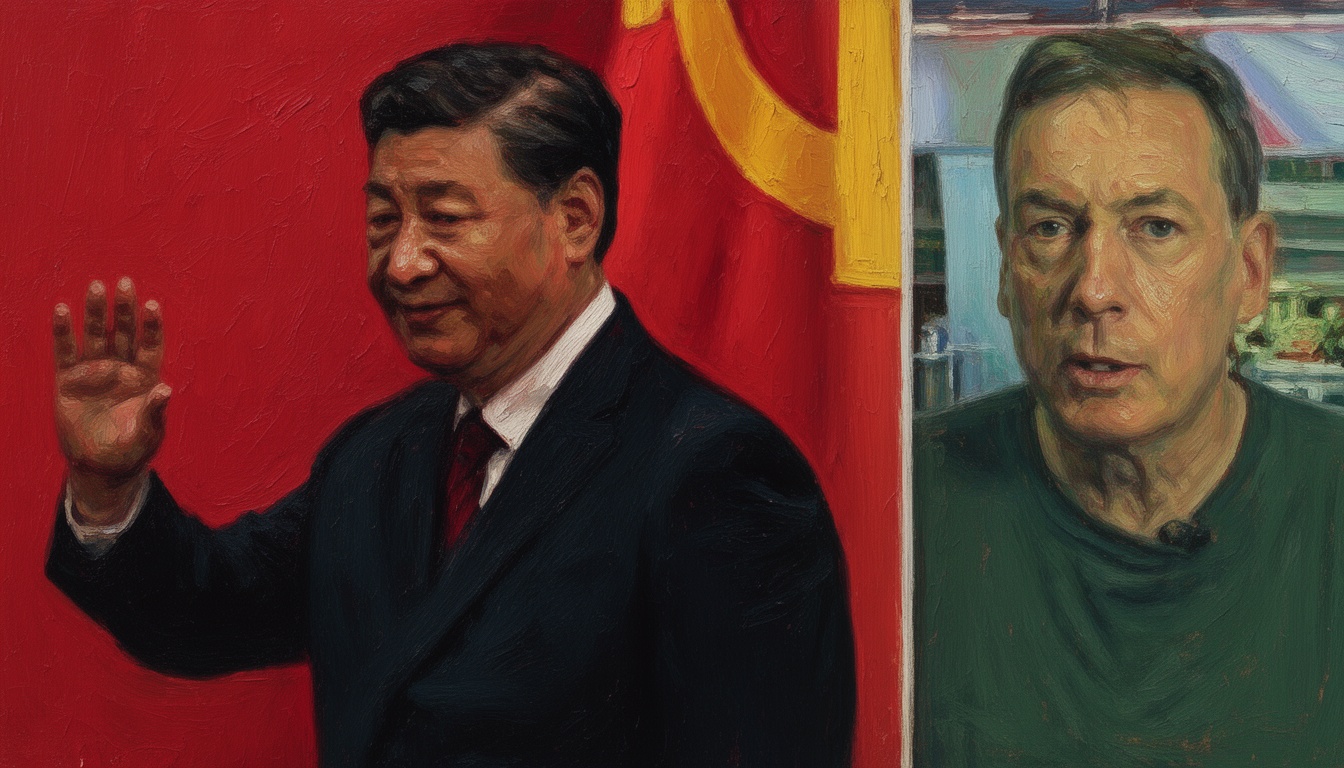
China's Role in the Iran War: A Global Balancer
China's strategic calculus in the Gulf confronts a shifting set of great-power interests. Beijing seeks to safeguard energy lines while expanding influence, complicating Western-led alignments. This analysis traces how economic heft translates into geopolitical leverage in a volatile theater.
China's role in the Iran war emerges as a decisive variable shaping regional power dynamics. Beijing pursues a multi-vector strategy: maintaining energy security, safeguarding its overseas investments, and expanding diplomatic sway with both Tehran and Gulf principals. The result is a nuanced balancing act that pressures Western coalitions while offering Tehran a formidable economic and political partner. As Gulf tensions rise, China's stance signals a broader contest over influence in the Middle East. The strategic consequence is a more complex dissuasion landscape for any potential external intervention.
Background contexts the shift: Iran's regional posture, Gulf states' security assurances, and China's domestic needs intersect. Iran seeks reliable trade routes and financial lifelines amid sanctions pressure, while Gulf monarchies worry about security threats and the credibility of extended deterrence. China, for its part, wants energy access and a growing naval footprint without becoming a direct belligerent actor. The result is a fragile equilibrium in which Beijing plays broker, investor, and observer, shaping outcomes through diplomacy, trade, and careful abstention from obvious escalations.
Strategically, China's involvement reduces the probability of a rapid Western-led escalation while complicating it. Beijing's calls for dialogue and its reluctance to impose punitive sanctions on Tehran demonstrate a preference for a slower, more managed crisis. Yet energy security and the need to protect major Belt and Road investments keep Beijing tethered to a pragmatic, risk-aware posture. This dynamic could force adversaries to pursue coercion through more indirect channels, sustaining a high-stakes stalemate rather than decisive action.
Operationally, China's toolkit includes oil and gas contracts, financial channels, and diplomatic engagement rather than open military deployments. Reports of increased port visits, arms transfers under dual-use licenses, and joint exercises with regional partners illustrate a mixed approach. Beijing's economic leverage is the anchor, with private-sector actors extending influence through trade finance, technology transfers, and infrastructure projects tied to the maritime chokepoints of the Persian Gulf. The likely near-term outcome is a diplomacy-driven restraint that preserves Beijing's access while limiting Tehran's isolation.
Forward assessment suggests a continued, quiet tilt toward strategic patience from China. A stabilizing signal would be broader Gulf engagement that reduces the incentives for rapid escalation by others. Yet any sudden crisis in Iran or the Gulf could trigger a rapid reorientation, with Beijing leveraging its economic ties to secure leverage without appearing to sponsor violence. The balance for China remains: preserve access and prestige, avoid direct confrontation, and push for carefully managed solutions that preserve the status quo’s economic arteries.