China's Microwave Weapon Targets Drone Swarms, Raises Tactical Risks
China's advancement in microwave anti-drone technology enhances its conflict readiness while raising global security concerns about escalating drone warfare.
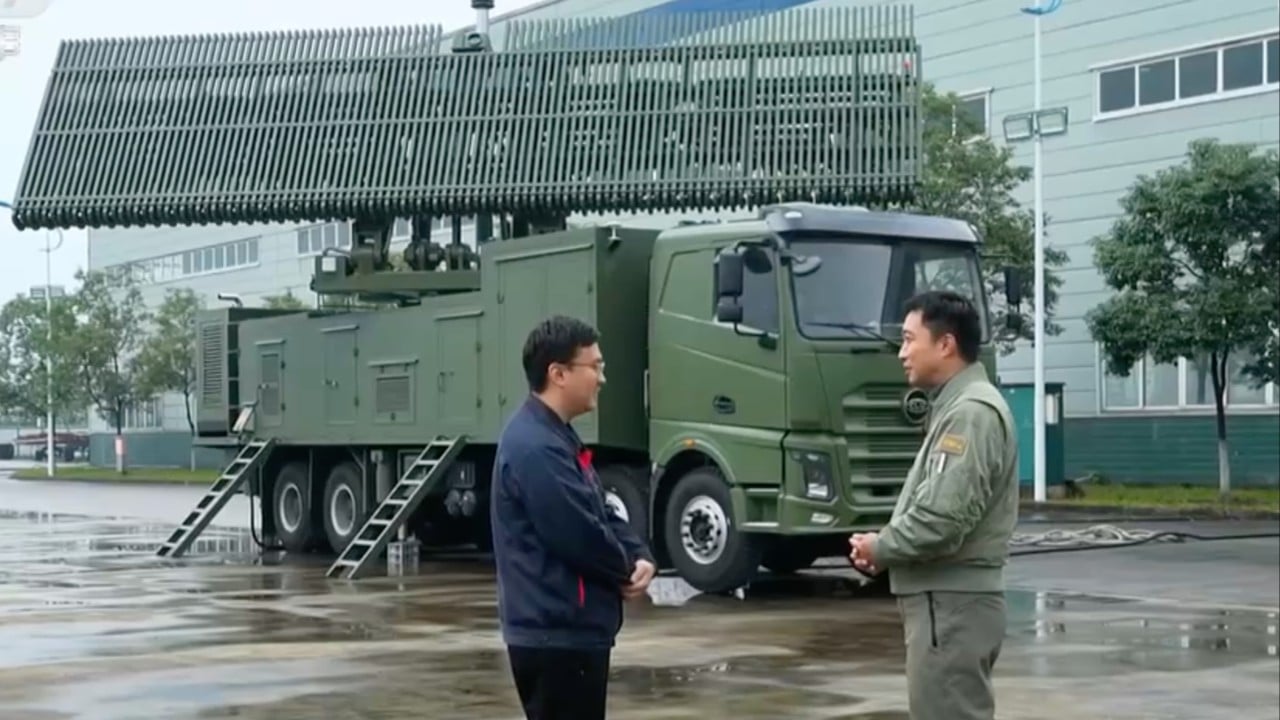
China unveiled a high-power microwave (HPM) system capable of neutralizing drone swarms at an operational cost of only a few yuan per shot. This development underscores China's intent to bolster its urban defense capabilities and indicates a strategic pivot towards countering increasing drone threats, particularly in populated areas. State media reported the new system’s deployment for urban police use, raising alarms about the proliferation of military technologies in civilian settings.
Historically, China has faced significant challenges with drone incursions, both from adversarial entities and surveillance breaches. As drone warfare technology expands globally, the Chinese government has recognized the urgent need for effective countermeasures. China's previous attempts to develop robust anti-drone systems showed limited success, often due to high operational costs and technological constraints. The recent announcement signifies a pivot from expensive military solutions to affordable, mass-deployable systems that can be rapidly integrated into existing defense protocols.
This advancement is significant as it reflects a potential paradigm shift in urban warfare. The ability to effectively neutralize drone threats at a fraction of the cost may alter the balance during conflicts, especially where drones are used extensively for reconnaissance or direct attacks. Additionally, the cost-effectiveness of this technology might provoke escalation as other nations assess the need to develop similar or more advanced systems, thus increasing the likelihood of arms races in microwave and drone technologies.
Key actors in this scenario include the Chinese government, which aims to demonstrate military preparedness to both internal and external audiences, and private firms interested in selling this technology to law enforcement and military agencies worldwide. The move could also be interpreted as an attempt to solidify China's leadership role in defense technology within Asia, challenging US and European dominance in high-tech warfare solutions.
The technical specifications reveal that this high-power microwave system is designed to disrupt electronics on drones, particularly small consumer-grade UAVs commonly used for surveillance. As HPM technology matures, the costs associated with the technology are declining sharply, which could lead to its widespread adoption in domestic policing and military applications. Estimates suggest China could deploy hundreds of these systems without substantial financial burdens, fundamentally altering operational strategies.
Potential consequences include increased tensions surrounding drone usage, particularly if other nations feel threatened by China’s capability to counter drone swarms effectively. If adopted globally, the proliferation of microwave weapons could yield a new form of warfare, blurring the lines between civilian security and military engagements. Furthermore, instances of misuse or overreach could provoke civilian backlash against governmental surveillance initiatives.
Historically, the introduction of new military technologies often precedes escalations in conflicts. For instance, the development of missile defense systems during the Cold War led to significant arms buildups and heightened tensions. The microwave weapon's introduction echoes these past dynamics, suggesting that without international agreements on usage, the risk of miscalculations and aggressive posturing could intensify.
Looking ahead, key indicators to monitor include international reactions to China’s microwave capabilities and whether other nations will rush to develop similar technologies. The evolving techno-military landscape suggests that the pressure to adopt or counter these advancements will become a focal point in global defense discussions. Intelligence analysts should pay particular attention to procurement trends in defense budgets and public statements from military leadership indicating shifts in strategy concerning drone warfare.