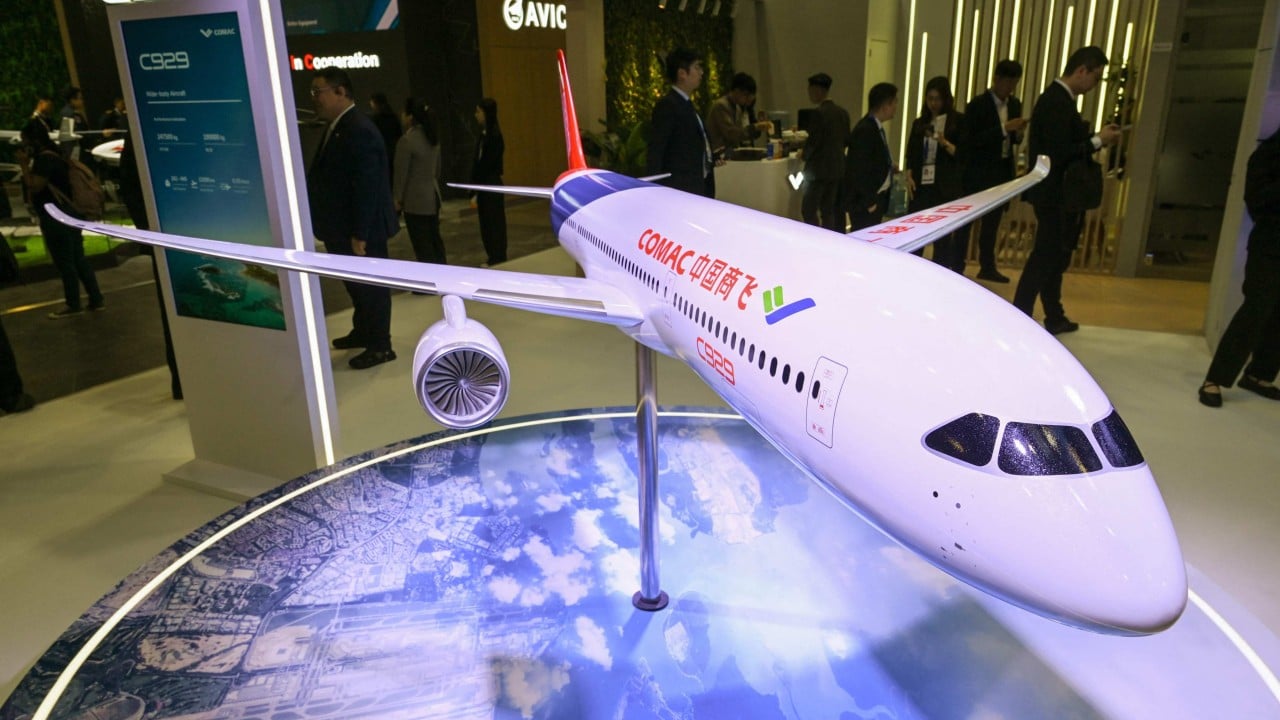
China's Jet Program Crisis: C919 Output Targets Amidst Engine Development Failures
China's aggressive push for aircraft production reveals vulnerabilities in its aerospace ambitions, challenging Boeing and Airbus. The success of the C919, C929, and the new engine development by 2030 will be crucial to Beijing's strategic goals in aviation dominance.
China is facing a critical juncture in its ambitious aerospace program as the government pushes for increased output of its home-grown aircraft, including the C919, C929, and C909 models, by 2030. This initiative, part of a national five-year plan, aims to diminish reliance on Western manufacturers Boeing and Airbus, yet it also exposes significant technological weaknesses and logistical hurdles that China must overcome to achieve its targets.
Historically, China's aircraft ambitions have been tied to a strategy of technological imitation and incremental innovation, culminating in the establishment of state-owned aircraft manufacturer COMAC as the cornerstone of this effort. The C919 narrowbody jet, which was first introduced in 2017, still has not secured certification from Chinese authorities for commercial service—a clear indicator of ongoing challenges. Furthermore, the radical aspiration to produce a domestically developed engine could entangle the entire program in further delays as China struggles with advanced aerospace engineering capabilities.
The significance of this drive lies in the potential shift of power dynamics within the global aerospace industry. China aiming to produce and export its aircraft represents a direct challenge to the established duopoly of Boeing and Airbus, but the lack of proven reliability in its products raises long-term uncertainties. A failure to meet production targets or deliver reliable aircraft could not only undermine Beijing's ambitions but also jeopardize the growing investments and political capital allocated to the aerospace sector.
Key players include the Chinese Communist Party, which views aviation as a symbol of national pride and technical progress, alongside COMAC, which must deliver on production capabilities and innovation. The motivations extend beyond commercial interests; they are also tied to national security and technological self-sufficiency. China's reliance on foreign technology for critical components remains a significant point of vulnerability, complicating its strategic aims in a rapidly evolving global landscape.
The technical specifics of China's aircraft program reveal the daunting challenges ahead. The C919 is designed to compete with the Boeing 737 and Airbus A320, yet delays have plagued its entry into the market. The underdevelopment of accompanying engine technology, including the planned domestic engine, poses significant obstacles, especially as Western sanctions restrict access to advanced technologies. With the production rates set to increase dramatically—COMAC aims to produce hundreds of C919 units annually—the pressure is mounting for successful and timely rollout.
The consequences of this ambitious strategy could be profound. If successful, China could shift the global aerospace balance of power, challenging the revenues and market positions of incumbents. However, ongoing failures could lead to a crisis of confidence within the aviation industry, affecting not only China’s domestic market but also its aspirations to expand into international markets.
Historical precedents indicate that similar programs have often encountered stagnation or failure due to underestimating the complexities of aerospace manufacturing. Similar efforts in nations like Russia and Brazil have also struggled to develop independent capabilities, raising questions about China's actual ability to meet its long-term goals. Targeting a monumental feat such as becoming a global aviation player without the track record of operational success remains a risky gamble.
Looking forward, watch for indications of progress or setbacks in the C919 certification process, which could be a definitive marker of COMAC's capability to deliver on its promises. Intelligence on partnerships with foreign firms or unauthorized technology transfers may provide insights into how China is attempting to tackle its reliance on Western aviation technology. The next few years will be pivotal in determining whether China can emerge as a formidable player in the global aerospace arena or falter under the weight of its grand ambitions.