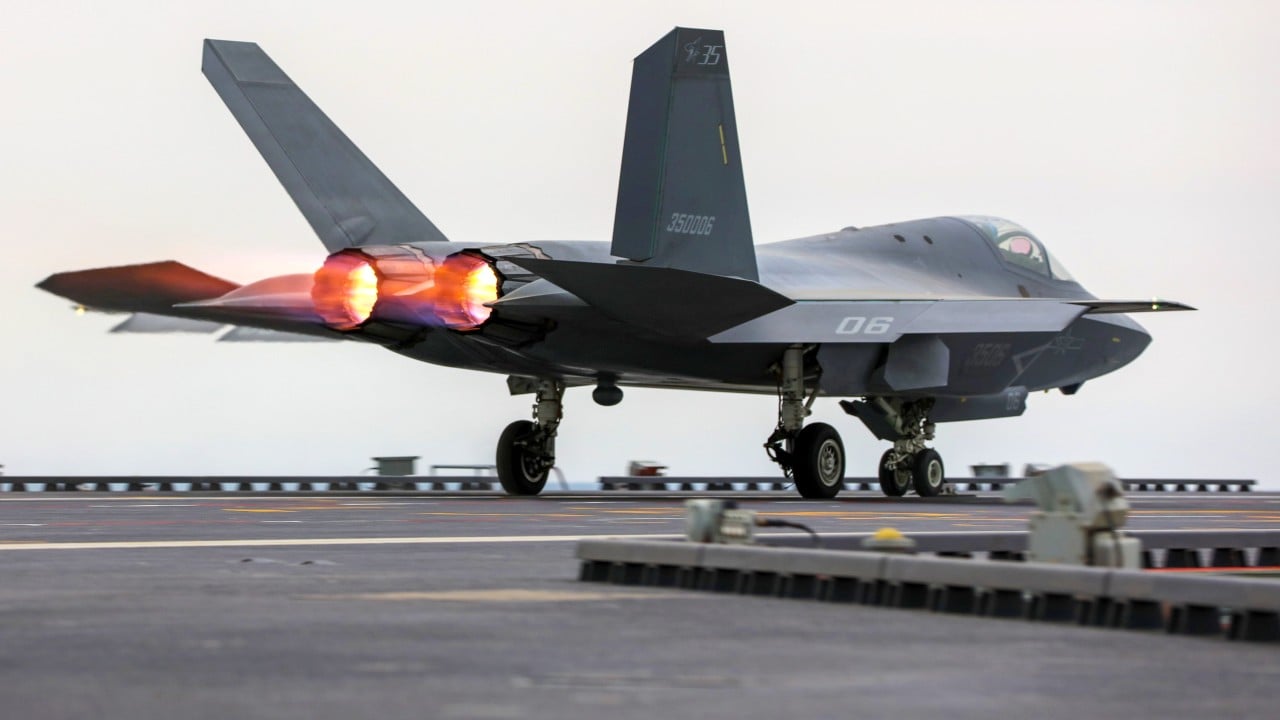
China's Gallium Oxide Breakthrough Threatens US F-22 Superiority
China's advancement in gallium oxide technology escalates the military electronics race, putting US F-22 radar capabilities at risk of obsolescence. This leap in semiconductor technology could radically shift the balance of air power in favor of China.
China's recent breakthrough in gallium oxide semiconductor technology could effectively push U.S. radar capabilities back two generations. This development, highlighted in a recent publication, foretells a new era for military electronics, where the U.S. risks falling behind as they continue to work with outdated gallium nitride systems to modernize their fighter fleet. In a landscape increasingly dominated by technology, such a shift represents a significant strategic threat to the United States air superiority and global military posturing.
Historically, gallium nitride has underpinned the radar systems of advanced U.S. fighters, exemplified by the F-22's existing architecture. However, China's rapid investments in next-gen gallium oxide technology signal a drastic shift in the semiconductor arms race. This pursuit is not only about military electronics; it underlines the relentless competition for technological dominance in the 21st century, where nations with advanced radar can achieve formidable advantages in detecting and tracking threats. China's push to integrate gallium oxide technology demonstrates tactical foresight that could redefine combat engagements.
The significance of this development cannot be overstated; should China succeed in operationalizing gallium oxide semiconductors in military applications, it could render existing U.S. radar systems vulnerable and obsolete. With radars enhanced by gallium oxide promising greater sensitivity and data processing speeds, the United States could face an expanded detection range from adversaries. This technological leap has the potential to endanger the effectiveness of U.S. aerial operations, particularly in contested regions such as the South China Sea and beyond.
Key players in this ongoing struggle for technological supremacy include Chinese state-owned defense enterprises and U.S. defense contractors. China's state agenda consistently prioritizes leading in next-gen military technologies, underscoring its commitment to establishing dominance not only regionally but also on the world stage. Meanwhile, U.S. military policy and defense budgets remain heavily tied to the aging F-22 platform, which may hinder rapid adaptation and innovation in response to emerging threats.
The technical specifications surrounding gallium oxide are critical; these semiconductors promise higher thermal conductivity and energy efficiency compared to gallium nitride, allowing for drastically improved radar systems. If the Chinese military operationalizes these systems, the potential implications for U.S. air superiority are glaringly apparent, suggesting significant time and investment will be needed for the U.S. to catch up, if possible at all.
In terms of likely consequences, the global military balance could shift drastically if this technology is deployed effectively by the People's Liberation Army Air Force (PLAAF). The potential for escalation arises with enhanced Chinese capabilities, leading to regional tensions as U.S. allies may question the reliability of American air defense. An environment characterized by uncertainty and increased aggression threatens further militarization of regions like the Indo-Pacific.
Historical parallels can be drawn to the Cold War arms race, where technological advancements frequently dictated military strategies and geopolitical power. Just as the U.S. and USSR vied for advanced weaponry and surveillance technologies, the current race between the U.S. and China is replete with similar tensions. The permanent state of competition in military technological superiority is bound to provoke challenges, crises, and confrontations globally.
Going forward, watching China's technological advancements will be essential, particularly in military applications of gallium oxide. Key intelligence indicators include China's successful integration into operational systems, the emergence of new radar capabilities, and shifts in U.S. defense spending towards countering these advancements. As this semiconductor arms race unfolds, the ramifications for global security and military engagements will demand close scrutiny.