China’s Defense Chief Warns of Global Instability, Urges Strategic Caution
China's defense minister signals a precarious shift towards aggression as instability rises globally, suggesting a recalibration of military priorities. This cautious rhetoric may mask deeper ambitions in the region.
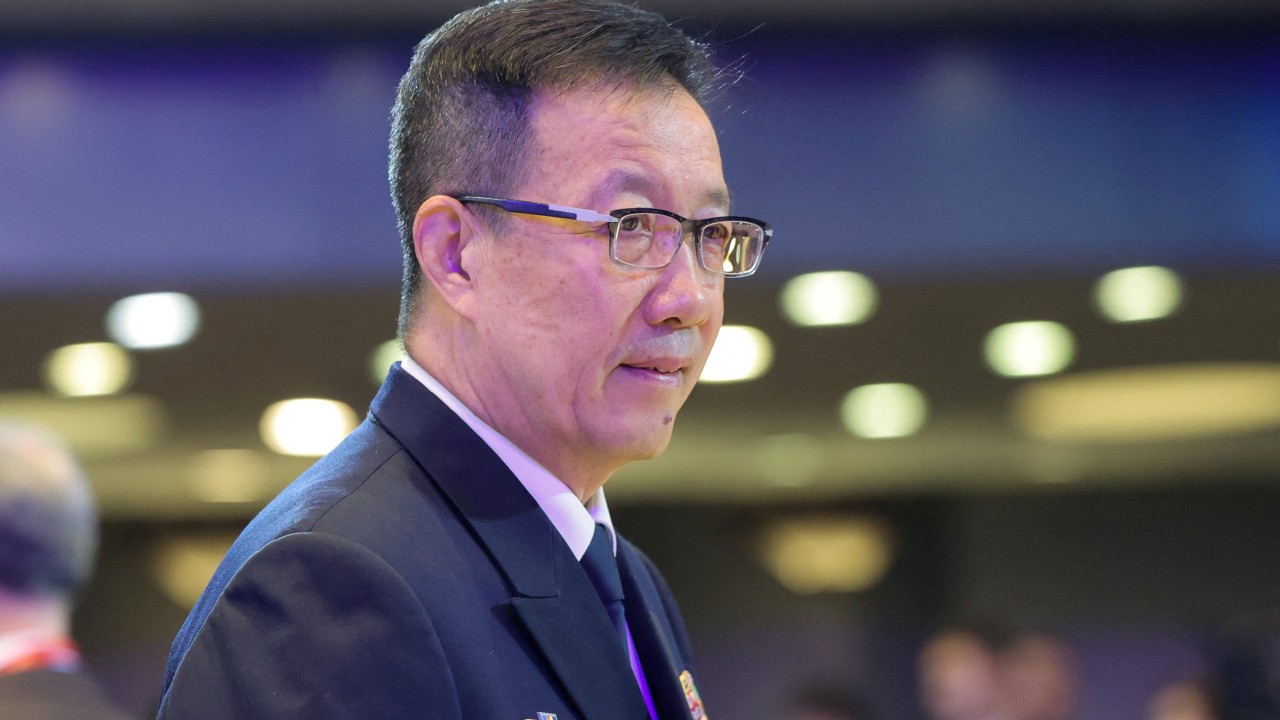
Chinese Defense Minister Dong Jun has raised alarm over escalating global instability, urging for a stable environment to further China's political and military objectives. His comments, made during a legislative discussion with military lawmakers, underscore an increasingly cautious Chinese approach amid mounting geopolitical tensions. Dong articulated this strategic caution urging that stability should be prioritized to enhance China's international standing and security landscape.
Historically, China's military strategy has oscillated between aggression and restraint, often influenced by its perception of external threats. This moment is particularly sensitive given the increasing military provocations from regional powers and the United States' growing pivot toward Asia. China’s longstanding territorial disputes in the South China Sea and heightened tensions with Taiwan add layers of volatility and challenge the sustainability of its approach.
This news is significant as it indicates China's willingness to reassess its military posture in light of escalating concerns, which could lead to a reallocation of defense resources and operational strategies. The emphasis on stability may be a signal of internal pressures facing the Chinese leadership as well as its anticipation of continued external challenges, particularly from Western powers actively countering Chinese influence in the Indo-Pacific region.
Key players in this drama include the Chinese Communist Party, which aims to divert domestic dissent by highlighting external threats, and the U.S., which remains committed to military alliances in Asia. Dong's remarks, while currently focused on caution, may serve as a veiled pretext for future aggressive actions should China perceive its interests as threatened.
Operationally, China has been expanding its military capabilities, with the People’s Liberation Army continuing investments in advanced missile systems, naval assets, and cyber warfare capabilities. Recent reports indicate an increase in military budget allocations—approximately $230 billion in 2023—aimed at modernizing forces and enhancing deterrence capabilities.
Potential consequences include heightened arms races in the region and a destabilized status quo as rival powers recalibrate their strategies in response. The call for stability could further alienate neighboring countries that view China's military posturing with suspicion, thus tipping the balance of power and increasing the risk of miscalculations leading to conflict.
Historically, China has responded to international pressures with both military posturing and diplomatic overtures. However, the precedent set by Russia’s recent aggression in Ukraine casts a shadow over Chinese calculations, urging a more assertive stance on territorial claims to solidify its regional dominance.
In assessing the situation, observers should monitor China's military movements in the South China Sea and Taiwan Strait, as well as shifts in defense spending allocations. Any maneuvers signaling increased readiness could indicate a pivot from cautious rhetoric to more aggressive potential actions as the global security environment continues to deteriorate.