China’s Bamboo Drone: 75% Cost Cut Threatens Global UAV Market
China's introduction of a cost-effective bamboo drone poses significant competitive threats to global UAV manufacturers. This innovation speeds up technological advancements that could dominate the future aerial warfare landscape.
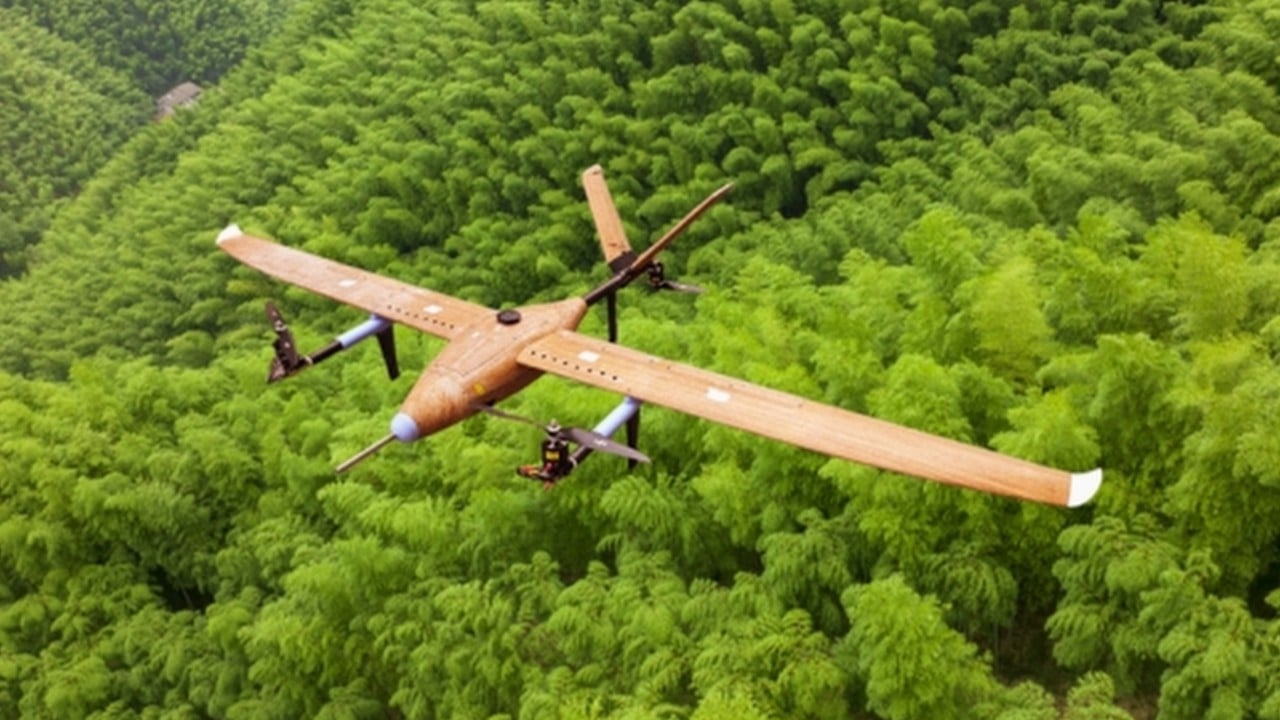
China has launched the world’s first fixed-wing drone constructed from bamboo fiber, marking a potentially transformative shift in the UAV industry. This unmanned aerial vehicle (UAV), which recently completed its maiden flight in Tianjin, boasts a 75% reduction in manufacturing costs compared to traditional carbon fiber counterparts, as reported by state news agency Xinhua. By utilizing bamboo, researchers have achieved a design that is 20% lighter than its carbon fiber alternative, a critical advantage for performance and payload capacity.
The development of this bamboo drone is rooted in China's aggressive strategy to dominate aerospace technology through innovative materials. In recent years, the Chinese government has heavily invested in UAV research, reflecting its ambition to reduce dependency on foreign technology. This push is underscored by the need for cost-effective solutions as military applications for UAVs expand across Asia and beyond, driving a highly competitive global market.
The implications of this advancement are substantial, posing strategic risks to established UAV manufacturers worldwide, particularly those in the US, Europe, and Israel. The reduced cost of production suggests that China could flood the market with more affordably priced drones, potentially undermining the financial stability of its competitors. Moreover, a lower price point may facilitate broader international sales, compromising the geopolitical leverage of nations that historically dominated drone technology.
Key actors in this development include the Chinese government, which seeks to solidify its role as a technological leader, and research institutions aiming to promote domestic innovation. Meanwhile, traditional UAV manufacturers might react defensively, either by developing alternative materials or lobbying for technological restrictions to protect their market share. The competitive dynamic between these entities is critical as they vie for both military contracts and commercial use cases.
From a technical standpoint, the bamboo UAV represents a significant leap in sustainable materials usage within the aerospace sector. Although specific specifications regarding weight, payload capacity, and operational range have yet to be fully disclosed, the advantages of reduced materials cost and weight could provide a game-changing operational flexibility. Future iterations of this drone could leverage advanced avionics systems and artificial intelligence, further enhancing its capabilities.
The release of such a drone raises concerns over potential escalation in the UAV arms race, as countries may feel pressured to accelerate their technology development to avoid falling behind. Competitive surveillance and the effectiveness of defense systems may further intensify as nations strive to counteract the advantages of cheaper, well-performing UAVs. The domino effect of this development could ignite a flurry of new innovations in autonomous aerial vehicles.
Historically, shifts in material technology have often led to rapid changes in military power dynamics. For instance, the transition from wood to metal airframes significantly altered aircraft performance during the early 20th century. Similarly, China's bamboo drone could herald a new era where cost-effective alternatives reshape not just UAV capabilities but also the strategic and economic landscapes of the global defense industry.
Moving forward, observers should monitor how quickly other nations respond to this breakthrough in UAV technology. Intelligence indicators will likely include shifts in research funding across defense sectors, collaboration initiatives between military and tech firms, and adaptations in policy regarding UAV import and export regulations. This development could be a precursor to a more significant reshaping of aerial military capabilities globally.