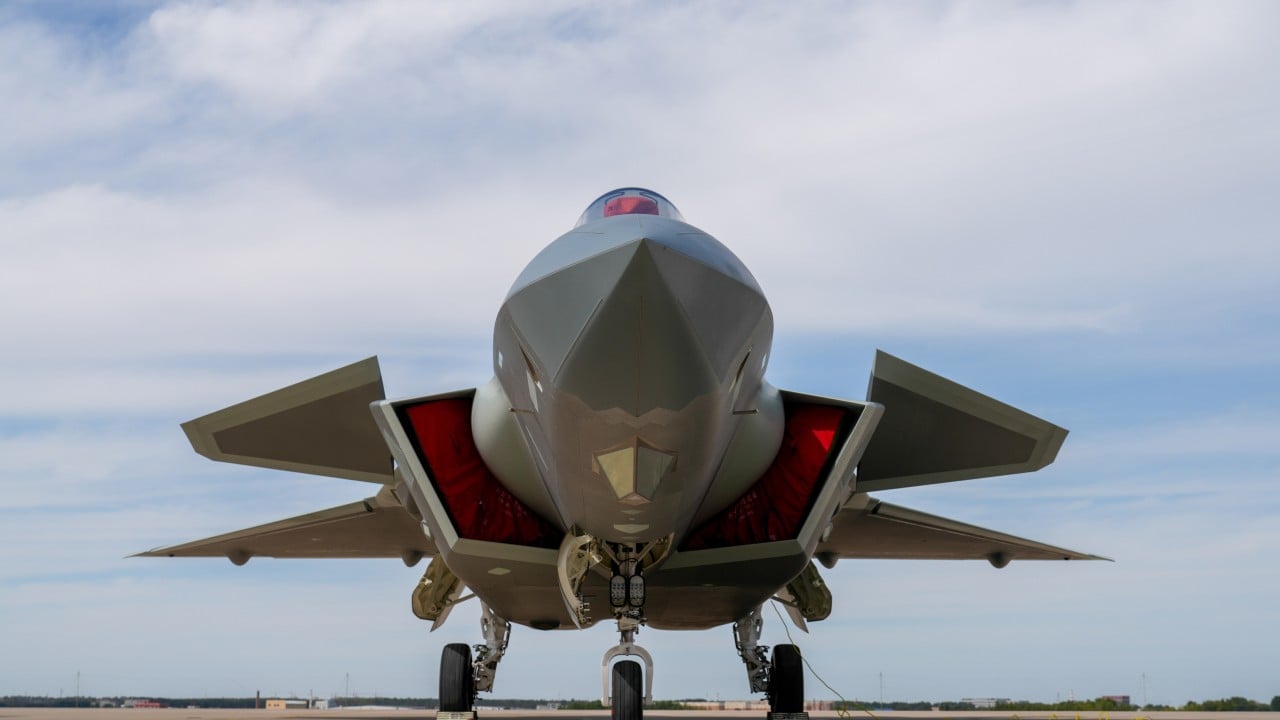
China's Arms Imports Plummet 72%, Global Military Balance Shifts
China's drastic 72% drop in arms imports signifies a troubling shift in military dynamics and self-reliance, challenging existing power structures in global security. This decline reveals vulnerabilities and strategic recalibrations amidst rising tensions.
China's arms imports have collapsed by an alarming 72% over the past five years, marking a significant shift in its military procurement strategy. Once reliant on foreign military technologies, Beijing has accelerated its focus on developing indigenous capabilities, effectively isolating itself from global arms markets. The implications of this transition reach far beyond simple numbers, indicating a potential reconfiguration of regional military balances and alliances.
Historically, China relied heavily on imports from countries like Russia to modernize its military forces. However, as tensions have escalated with major powers, and particularly in light of sanctions imposed on Moscow due to its actions in Ukraine, Beijing's dependency on foreign arms has sharply declined. The Chinese defense industry, bolstered by substantial government investment, has developed sophisticated weapons systems, including advanced fighter aircraft, naval vessels, and missile technologies, further reducing the need for external procurement.
The significance of this 72% reduction cannot be overstated. It reflects not only a shift toward self-sufficiency but also exposes potential vulnerabilities within China's military landscape. While Beijing boasts of homegrown technologies, the real test lies in their operational effectiveness compared to imported systems. Additionally, as China becomes less reliant on foreign suppliers, it risks alienating traditional allies who may be hesitant to engage in defense cooperation.
Key actors in this scenario include China's defense establishment, primarily the Ministry of National Defense and major state-owned defense contractors. Their motivations are rooted in national pride and a desire to assert military independence. However, this push for autonomy raises questions about the quality and reliability of domestically produced equipment. Without access to established foreign technologies, China's rapid advancements might be less robust than advertised.
In terms of operational details, the Chinese military's focus has shifted toward high-tech capabilities, evidenced by the increased production of indigenous aircraft like the Chengdu J-20 stealth fighter and the Type 055 guided-missile destroyer. These platforms have received significant investments, with the People's Liberation Army (PLA) allocating over $200 billion annually to its defense budget. Such developments are intended to counter perceived threats in the South China Sea and from rival powers, such as the United States and India.
The potential consequences of this dramatic decrease in arms imports could lead to increased tensions in the Asia-Pacific, as neighboring countries may perceive China's military buildup as a direct threat. This situation could trigger an arms race, with nations like Japan, Australia, and India enhancing their military capabilities in response. Furthermore, regional flashpoints like Taiwan may see heightened military posturing as Beijing strives to project strength without external support.
Historically, this shift mirrors similar trends observed during the Cold War, when nations like the Soviet Union attempted to develop self-sufficient military capabilities in response to perceived Western threats. The collapse of the Soviet Union underscores the dangers of over-reliance on domestic production without effective international collaboration.
Moving forward, the global defense community should monitor developments in China's military technology and procurement strategies. Key indicators will include the success of ongoing domestic projects, potential collaborations with nations other than traditional arms suppliers, and shifts in regional defense budgets and alliances. Analyzing these factors will provide critical insights into the evolving landscape of international security dynamics influenced by China's military trajectory.