China's 5-year-old martial prodigy ready for May tournament
A Chinese girl, Huang Zijun, at age five, trains intensely in Hung Kuen and is drawing online attention for her precision and power. The story highlights youth dedication to traditional martial arts and the growing visibility of children in sports. This piece notes the broader cultural and developmental context rather than strategic or geopolitical significance.
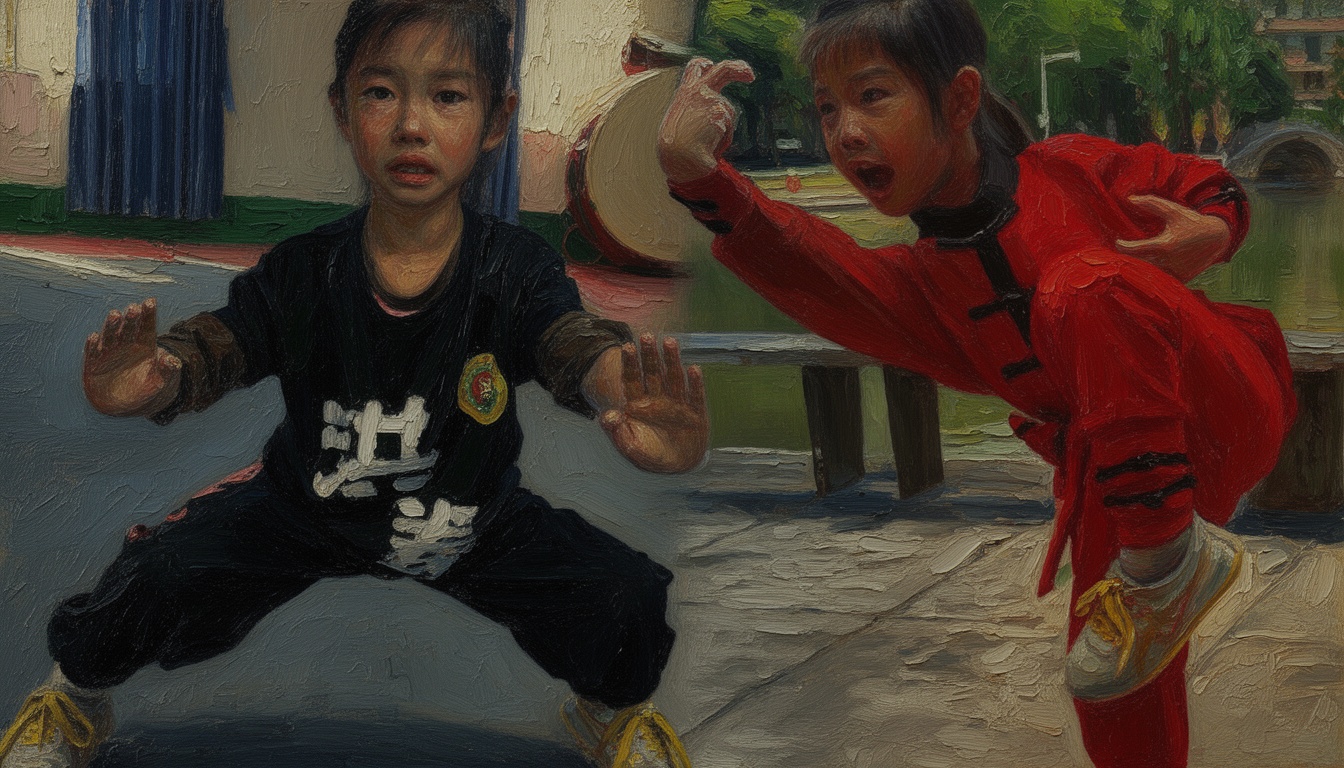
A five-year-old girl from Maoming in Guangdong province is capturing online attention for her disciplined practice of Hung Kuen, a southern Chinese martial art. Huang Zijun trains with remarkable focus, often pushing through tears as she refines her technique. Her videos showcase a blend of low stances, quick strikes, and deft hand work that fans say reflects a mature control unusual for her age. The upcoming May tournament is a focal point of her work, with instructors emphasizing consistency and safety in her routine.
Her rise online mirrors a wider pattern of young athletes turning to traditional arts as a form of personal expression and physical development. Hung Kuen’s regional roots in southern China give practitioners a distinctive style characterized by rooted stances and powerful hand techniques. Fans are drawn to the animal-inspired postures that characterize many classic Hung Kuen forms, including tiger and snake. Community comments praise Zijun’s balance, precision, and perseverance as she trains in local dojos and with family support.
For organizers and coaches, Zijun’s case underscores how youth programs can nurture discipline, resilience, and confidence through sport. The sport’s emphasis on tempo, distance control, and breath work offers a holistic developmental pathway for children. Observers note that early competition, properly supervised, can cultivate focus and safe physical growth while instilling respect for tradition. The May tournament will test both her skills and her ability to manage competitive stress at a young age.
Technical notes describe Hung Kuen as requiring strong leg strength, hip mobility, and rapid hand-eye coordination. In Zijun’s regime, coaches track metrics like stance depth, reaction times, and the accuracy of palm strikes. Protective gear and strict warm-up routines help minimize injury risk as she progresses. Supportive family involvement appears crucial to sustaining her training schedule and emotional balance during competitive cycles.
Looking ahead, Zijun’s performance could influence local youth participation in Hung Kuen and similar arts. If she continues to display discipline and technique, she may inspire other families to explore traditional martial arts as a structured extracurricular path. However, rapid growth in online attention also brings pressure, making ongoing mentorship and safety considerations essential for her development. The broader takeaway is a vivid example of youth resilience shaping cultural sports in modern China.