China's $24 Billion Seaport Expansion Amid Iran Crisis Escalation
China’s aggressive seaport development links directly to heightened Middle East tensions, revealing strategic vulnerabilities and economic dependencies. The deterioration of relations around Iran threatens regional stability and puts Chinese investments at risk.
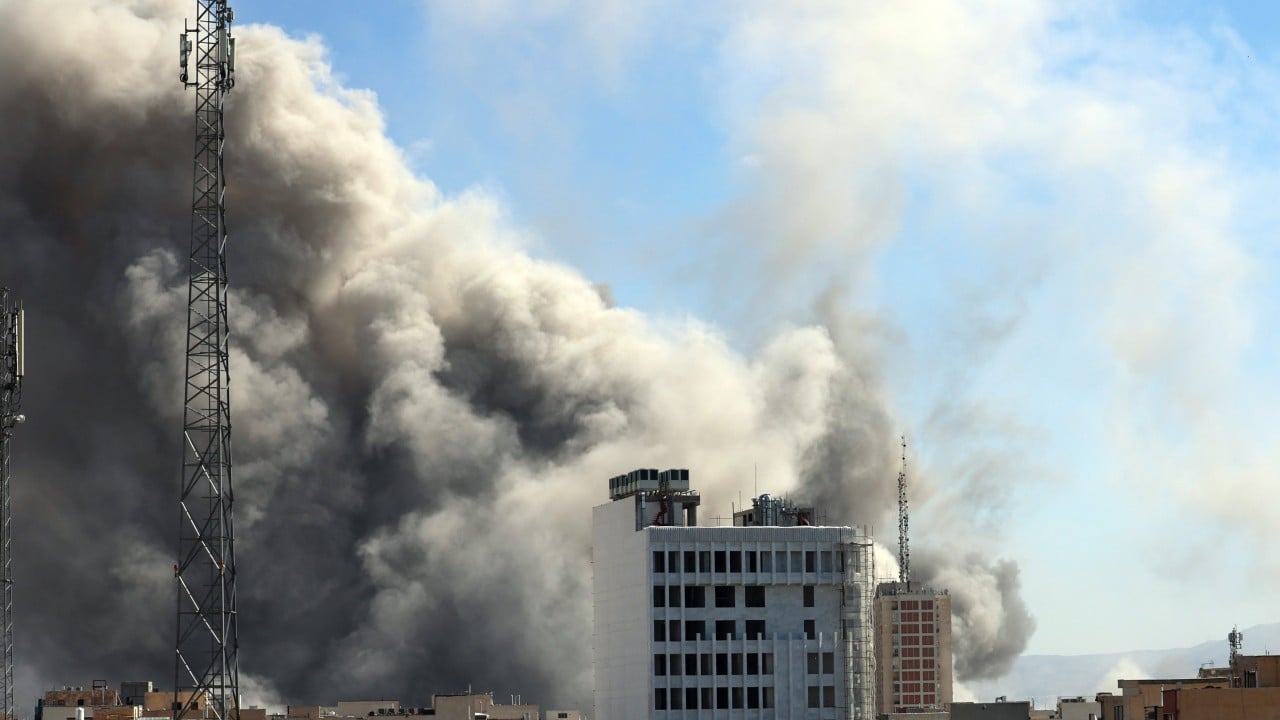
China is advancing a $24 billion seaport expansion strategy even as tensions rise dramatically in the Middle East, particularly following targeted military strikes on Iran. Chinese companies report significant disruptions in their business dealings with Iran, with crucial trade corridors now jeopardized by escalating hostilities. This duality of intent—expanding influence in global logistics while facing threats in key markets—exposes serious strategic risks for China’s economic ambitions.
Historically, China's relationship with Iran has been characterized by mutual economic interest, particularly in oil and infrastructure investments. However, recent military actions against Iran have prompted a reevaluation not just of Iran’s role in regional security but of China's reliance on stability in the Middle East for its trade routes. As the geopolitical landscape shifts, Chinese exporters are feeling the pinch as their prospects dwindle amid increasing uncertainties.
The significance of this situation cannot be overstated. China’s dependence on Middle Eastern oil and its Belt and Road Initiative (BRI) projects are now endangered. With Chinese firms facing operational halts and investment plans in limbo, the crisis could impair China’s global supply chains and fortify its strategic vulnerabilities against a backdrop of heightened US and regional geopolitical maneuvers. The ramifications expand beyond economic implications, as a weakened Chinese presence in the Middle East could embolden adversaries and alter the balance of regional power.
Key actors include the Chinese government, which aims to solidify its global trade network, and Iran, whose regional ambitions may clash with those of the US and its allies. China's willingness to deepen its economic ties with Iran is viewed as an attempt to counterbalance US influence, yet recent developments undermine this strategy. Iran's increasing isolation could force China to reassess its investments there, shifting its focus to more stable partnerships elsewhere.
Regarding operational details, China's $24 billion investment is largely allocated to developing new seaport facilities that are essential for scaling up its maritime logistics capabilities. This expansion involves not only constructing new docks but also enhancing existing infrastructure to accommodate larger vessels, projecting an increase in trade volume. Such investments are critical for China to maintain supply chains but are now directly undermined by conflict-related disruptions in Iran.
The immediate consequences of these developments are likely to manifest as political and economic fallout, with various scenarios playing out. On one hand, increased instability in Iran could disrupt oil exports that feed directly into China's hunger for energy. Conversely, should China opt to take a more assertive stance in the region, it may escalate tensions further, potentially risking direct confrontation with US interests or complicating its relationships with other vital partners in Asia.
Historically, the deterioration of strategic relationships under pressure has led to significant shifts in global alliances. A similar scenario played out post-Arab Spring, where regional volatility resulted in profound changes in Middle Eastern politics and international investments. This historical lens suggests that current tensions might lead to a realignment of alliances, impacting not only Iran but also China’s broader BRI goals.
Moving forward, intelligence indicators to watch include shifts in Chinese investment strategies amidst Middle Eastern instability, changes in Iranian military posture, and reactions from key global players like the US and Russia. Observing China’s diplomatic outreach to alternative partners could signal its intent to diversify away from volatile regions, while the fate of Chinese investments in Iran under increased geopolitical stress will reveal the true resilience of Beijing’s economic strategy in an increasingly divided world.