China's 15th Five-Year Plan Targets AI, Defense, and Fusion Technologies
China's latest five-year plan reveals an aggressive push into advanced technologies, highlighting military modernization amidst escalating US competition. These initiatives could reshape global power dynamics and strategic calculations.
China has unveiled its 15th Five-Year Plan draft, focusing on key strategic sectors like artificial intelligence (AI), nuclear fusion, and defense capabilities for 2026-2030. This ambitious blueprint emphasizes overcoming critical technological choke points as part of Beijing's strategy to enhance its global standing and counter US dominance. The plan signals a decisive step in China's intention to secure a robust foothold in a rapidly evolving technological landscape.
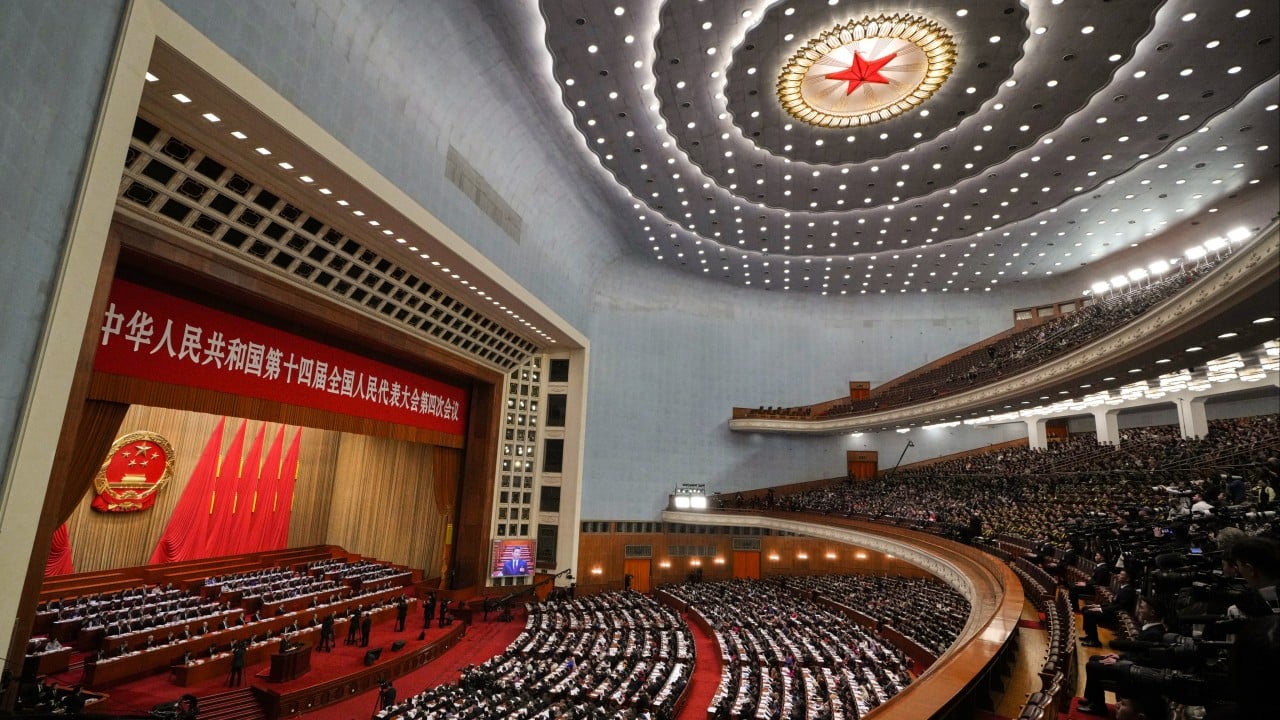
The unveiling of this plan coincides with China’s annual political sessions, where the nation’s leaders delineate economic and policy frameworks. This year, the backdrop of rising tensions with the United States plays a crucial role in shaping China's ambitions, especially in the tech and military sectors. Beijing's commitment to bolstering its defenses and technology sectors comes at a time when it perceives external threats to its economic and territorial integrity, especially in light of recent US sanctions and restrictions against its tech companies.
The significance of this plan cannot be overstated. China is directly addressing vulnerabilities in key areas of technology that the West, particularly the US, dominates. By investing more heavily in AI, which is pivotal for modern warfare and information dominance, and advancing nuclear fusion, Beijing aims to not only bolster its defense capabilities but also to gain a significant edge in economic competitiveness. The strategic risks are clear: failure to succeed in these areas could leave China exposed in an increasingly hostile international environment, while success could shift the global balance of power.
Key actors in this development include China's central government and various state-backed enterprises specialized in defense and tech innovation. The motivations appear centered around self-sufficiency and technological sovereignty, seeking to diminish reliance on Western technology and counter perceived external encirclement strategies. The military implications are particularly stark; enhanced AI capabilities could refine military operations and intelligence processes, advancing China's power projection.
Operationally, the specifics of the five-year plan include ambitious goals such as achieving breakthroughs in quantum computing, developing advanced military drones, and accelerating fusion energy research. Financially, China has earmarked significant resources, with estimates suggesting investments in the tech sector reaching up to 1 trillion yuan (approximately $154 billion). These funds will directly support the development of new defense technologies and bolster R&D initiatives to maintain competitive advantages.
The path forward carries several potential consequences. As China ramps up its military and technological ambitions, increased tensions with the US and its allies are likely. This could lead to a regional arms race, with neighboring countries concerned about China's expanding capabilities. Furthermore, China's technological breakthroughs could result in countermeasures from the West, such as intensified sanctions or increased military presence in Asia.
Historically, similar developmental plans by rising powers, such as the Soviet Union's focus on industrialization and military strength, have led to geopolitical tensions. The rapid advancements by countries once perceived as lagging can both reshape alliances and create unforeseen conflicts. The repercussions of China’s renewed focus on defense and technology echo past rivalries during the Cold War.
As China moves forward with this ambitious five-year plan, key indicators to watch include the speed and success of technological developments, changes in defense spending, and the reactions from the US and allied nations. Developing indicators such as advancements in domestic semiconductor production or military technology deployments will be crucial in assessing how this plan alters the global technological and military landscape.