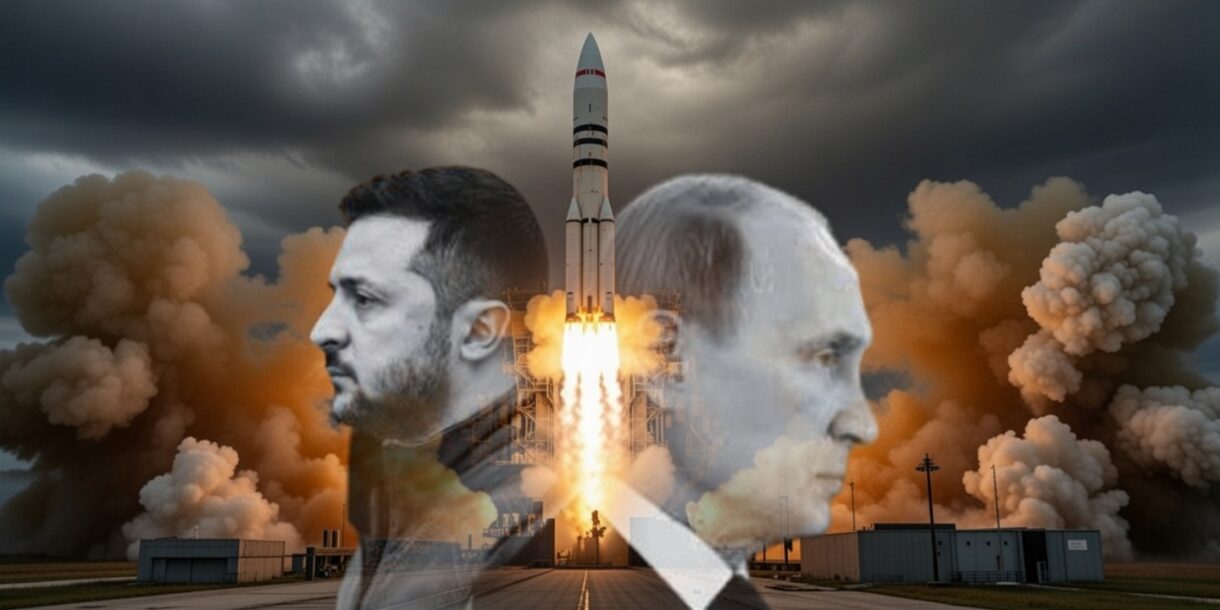
China Threatens Nuclear Escalation Amid Russia's Dirty Bomb Accusations
Chinese officials issue stark nuclear warnings as Russia escalates its rhetoric against NATO, implicating the UK and France in potential provocations. The situation presents critical risks for global security, as tensions rise in the protracted Russia-Ukraine conflict.
Chinese officials have issued a stark warning against the use of nuclear weapons, amid escalating tensions that have emerged from Russia's accusations towards the UK and France of plotting to deploy a dirty bomb in Ukraine. This statement not only highlights the precarious nature of international relations surrounding the ongoing conflict but also underscores the potential for nuclear escalation in a war that has already resulted in significant casualties and geopolitical instability.
The Russia-Ukraine conflict has dragged on for nearly five years, with combat lines remaining largely static over the past year. Despite heavy losses—recent estimates suggest Ukrainian military casualties exceed 100,000—Kyiv continues to receive substantial military support from Western allies. This extended stalemate has led to accusations from Russia that its adversaries are becoming increasingly desperate, with claims that the UK and France intend to escalate the situation by employing radioactive weaponry.
The significance of China's nuclear warning cannot be overstated. It signals a shift in the strategic calculus for key global powers as they navigate the intersection of military confrontation and nuclear strategy. The prospect of a dirty bomb explosion complicates an already tenuous situation, risking a dramatic escalation that could draw in additional military actors, potentially even triggering a broader conflict.
Key players in this situation reveal contrasting motivations. China is positioning itself as a stabilizing force, advocating for nuclear restraint while opposing Western actions that incite further conflict. Meanwhile, Russia's allegations against NATO allies reflect a keen desire to deflect blame and bolster its narrative of victimization from Western aggression, despite its own military offensives in Ukraine.
Operationally, this crisis suggests a new phase in warfare where non-conventional threats are increasingly used as tools of psychological warfare. The potential introduction of radioactive materials into the conflict represents a significant departure from traditional battlefields, with grave implications for civilian populations and international norms surrounding weaponry. Even more alarming is the possibility of weaponization of nuclear material that has previously been regarded as a taboo in international conflict.
The likely consequences of this development paint a worrisome picture. Should a dirty bomb be deployed, the cascading effects could destabilize not just the region but global security architectures as nations grapple with the repercussions. Additionally, the dynamics of public perception surrounding nuclear weapons will shift, reinforcing the necessity for preventive diplomacy and possible collective defense strategies, especially from NATO members involved in the accusations.
Historically, the Cold War provides a chilling parallel to the current situation, where the specter of nuclear weapons shaped international dialogues and conflicts. As the Great Powers navigated the risks of escalation, each stage of the conflict was marked by accusations and counter-accusations similar to what is unfolding now, revealing the thin lines between deterrence and provocation that leaders must carefully walk.
Looking ahead, several intelligence indicators must be monitored closely, including military mobilizations from all involved parties, changes in rhetoric from major powers, and public responses from affected nations regarding the implications of nuclear threats. Scrutinizing the actions of Russia and its allies could reveal plans to escalate or de-escalate tensions, underscoring the need for robust intelligence assessments as the world stands on the precipice of potentially catastrophic developments.