China Tests 155mm Naval Gun for Enhanced Amphibious Assault Capability Against Taiwan
China is testing a new 155mm naval gun on a test vessel, enhancing its amphibious assault capabilities, particularly targeting potential operations concerning Taiwan. This development indicates a significant increase in the PLA Navy's land-attack firepower away from traditional naval engagements.
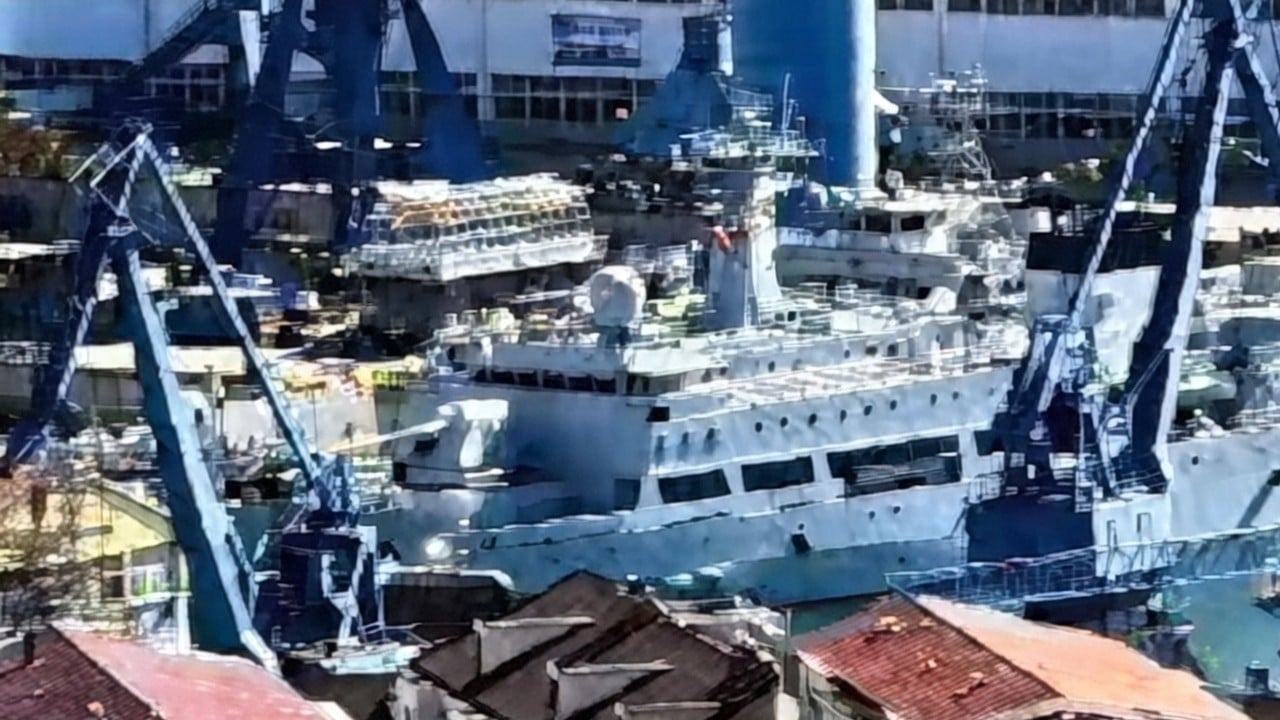
China has recently conducted tests of a new 155mm (6.1-inch) naval gun mounted on the bow of a designated test vessel at the Liaonan shipyard in Dalian, Liaoning province. This weapon system represents the largest caliber artillery piece integrated into the People’s Liberation Army (PLA) Navy, aiming to bolster its land-attack capabilities significantly. Photographs circulating on Chinese social media highlight the impressive scale of the gun, underscoring its potential role in advanced naval warfare scenarios, especially concerning amphibious operations.
The strategic context of this development is crucial, as it arrives amid heightened military tensions around Taiwan. The enhancement of the PLA Navy’s artillery capabilities could facilitate more effective and long-range naval bombardments of coastal targets, thereby improving the operational scope of any future amphibious assault on Taiwan. The increased firepower also signals to regional adversaries the PLA's commitment to force modernization, impacting regional security dynamics in East Asia.
Key players in this context include the Chinese military leadership, particularly the Central Military Commission, which prioritizes enhancing the PLA's operational readiness. The drive to field a 155mm naval gun likely stems from assessments of Taiwan's defensive infrastructure and growing deterrent capabilities, motivating China to ensure its forces can effectively engage any targets from sea to land. Conversely, Taiwan and its allies are monitoring these developments closely, aware that enhanced Chinese capabilities could require reassessment of their defensive strategies.
The global implications of this test are significant. Should the 155mm naval gun integrate successfully into the PLA Navy, it may lead to a recalibration of defense postures among regional powers and U.S. allies. Additionally, with a possible increase in aggressive maneuvers in the Taiwan Strait, the risk of miscalculation or conflict escalation grows, particularly as the U.S. and allied forces may feel compelled to respond or conduct joint exercises to demonstrate their own readiness.
Historically, such advancements in artillery technology among naval forces have been catalysts for shifts in military engagement strategies. The introduction of a heavy naval artillery piece could initiate a new phase in naval warfare, influencing not only regional conflict paradigms but also global maritime doctrines.
Analyst assessment indicates that if the PLA successfully incorporates the 155mm naval gun into its operational framework, we may witness an escalation in regional military posturing. Potential future developments could include increased military drills aimed at Taiwan, heightened air and naval challenges, and further arms development as both Taiwan and the U.S. respond to bolster deterrence against Chinese aspirations in the Taiwan Strait.