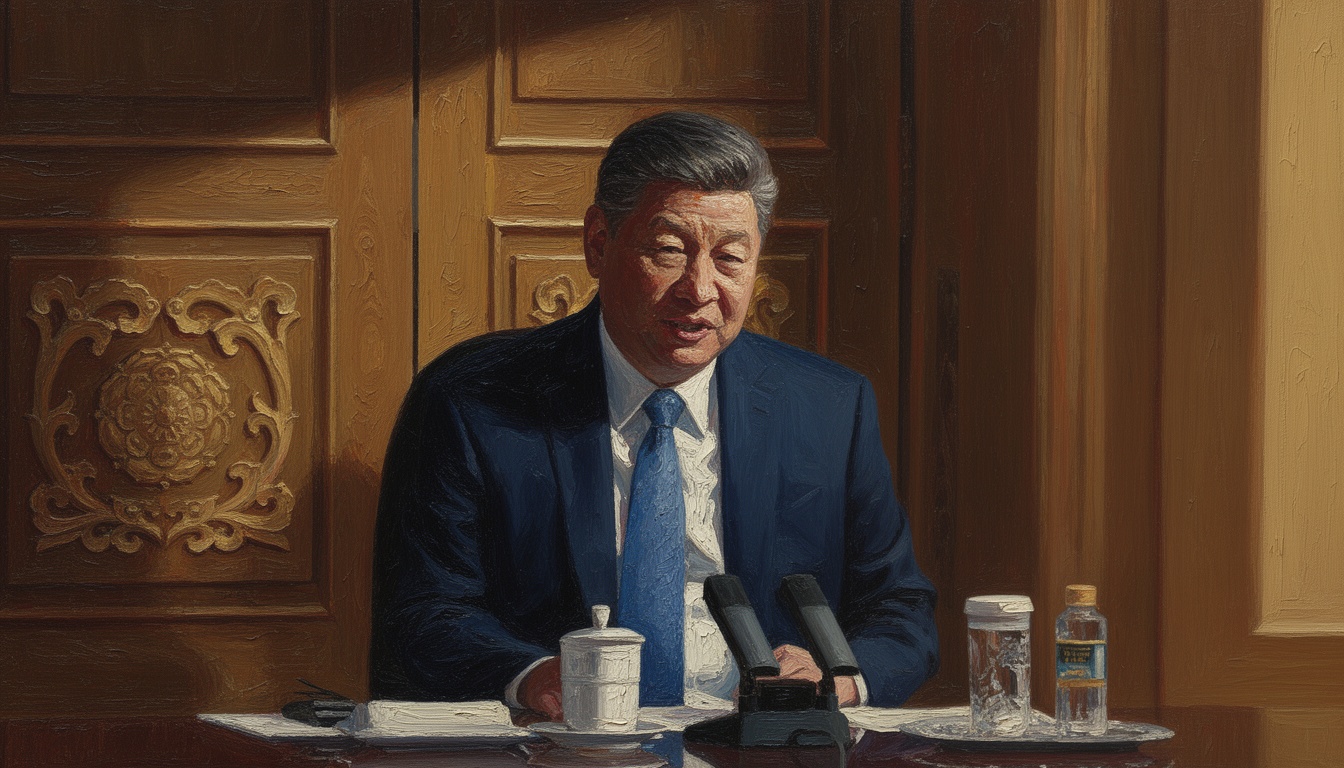
China steps out of the shadows in Iran war
Beijing signals a constructive role in Iran's conflict, balancing Tehran ties with broader Middle East stakes. Xi Jinping breaks a six-week silence, wary of full involvement. Analysts weigh Beijing's calculations as regional dynamics shift and great-power fault lines re-emerge.
China has emerged from relative quiet on the Iran war, with President Xi Jinping declaring a constructive role in efforts to end the conflict. The statement marks a deliberate shift from non-intervention to a more active diplomatic posture, but it stops short of committing to any military involvement. Beijing seeks to influence the outcome while avoiding a direct clash with adversaries, underscoring a cautious approach to escalation.
The background is a web of long-standing ties and competing interests. China has cultivated economic and strategic links with Iran for years, leveraging energy imports and infrastructure deals. At the same time, Beijing has deepening stakes in the wider Middle East, where security environments affect energy flows, supply chains, and global markets. The six-week silence preceding Xi's remarks reflects Beijing's sensitivity to tipping the balance in a volatile theater.
Strategically, China's stance reframes the Iran conflict within a broader great-power competition framework. Beijing is navigating pressure from Washington, Tehran's adversaries, and regional actors while trying to preserve its own dissuasive influence without triggering a wider confrontation. The careful messaging also signals to domestic and international audiences that China can shape crisis dynamics without becoming a primary wielder of force. The move could recalibrate how other powers engage Tehran and defer to Beijing on certain diplomatic channels.
Technically, Xi's pledge centers on diplomacy, mediation channels, and coordinated back-channel efforts rather than any militarized commitment. Chinese officials have stressed non-interference while promoting dialogue and de-escalation. Analysts note that Beijing's leverage stems from its economic leverage and its position as a global supplier of critical goods, alongside its growing influence in multilateral diplomacy and international institutions.
The likely consequences include a more multipolar mediation environment and a slower, more complex path to a settlement. If China maintains a constructive posture, it could become a trusted intermediary among competing blocs, reducing the risk of rapid regional escalation. However, Beijing's careful distance also means Iran and other regional players may pursue independent tracks, potentially prolonging the conflict and reshaping alignments in the Near East.