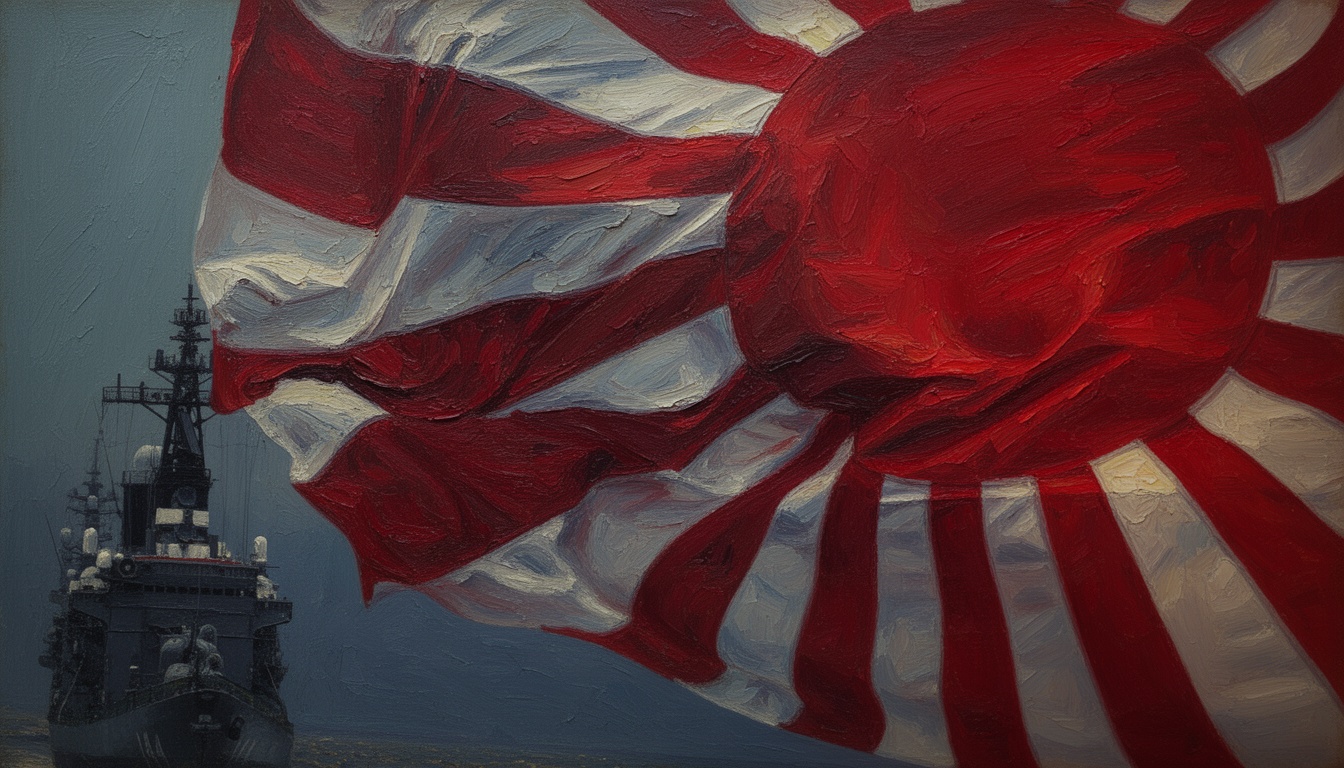
China slams Japan for sending a warship through Taiwan Strait
China denounces Japan after a Self-Defence Force vessel traversed the Taiwan Strait. Beijing calls the move a deliberate provocation and lodges a strong protest as Tokyo joins a major US-Philippine drill. The incident raises tensions around Taiwan and regional security dynamics.
China publicly denounces Japan after a Self-Defence Force vessel crossed the Taiwan Strait, calling it a deliberate provocation. Beijing lodged a strong protest with Tokyo, signalling the highest level of diplomatic displeasure. The incident comes shortly after Tokyo announced participation in a major US-Philippine military drill for the first time, marking a notable escalation in regional defense coordination.
The background here centers on the Taiwan Strait's sensitivity as a flashpoint between Beijing and Taipei, with Tokyo increasingly active in security affairs across the Indo-Pacific. Five Eyes-adjacent partners, as well as bilateral defense ties in the region, have raised tensions around freedom of navigation and deterrence postures. Japan's move is viewed in Beijing as a direct challenge to its position on Taiwan and maritime security norms.
Strategically, the event tests the credibility of cross-strait deterrence under growing United States-Japan-Philippine coordination. It underscores how even routine naval transit can become a leverage point in broader great-power competition. Washington’s friends in the region are watching closely for any shift in the balance of maritime power or signaling of extended alliance commitments.
Operationally, details remain scarce in the immediate reporting: a Japanese Self-Defence Force ship reportedly passed through the strait, prompting diplomatic protests but no reported casualties or open clashes. The incident may influence subsequent naval routing decisions, training exercises, and potentially the planning of future joint drills in the western Pacific. Analysts will watch for new statements from Beijing and Tokyo, as well as any shifts in regional air and sea patrol patterns that could affect maritime access and deterrence dynamics.
Forward assessment suggests heightened vigilance around Taiwan-related flashpoints and greater scrutiny of Japan’s security posture in the near term. If tensions persist, expect a cycle of protests, counter-protests, and increased naval visibility from all parties involved. The risk of miscalculation in a highly militarized littoral environment remains the most consequential unknown moving forward.