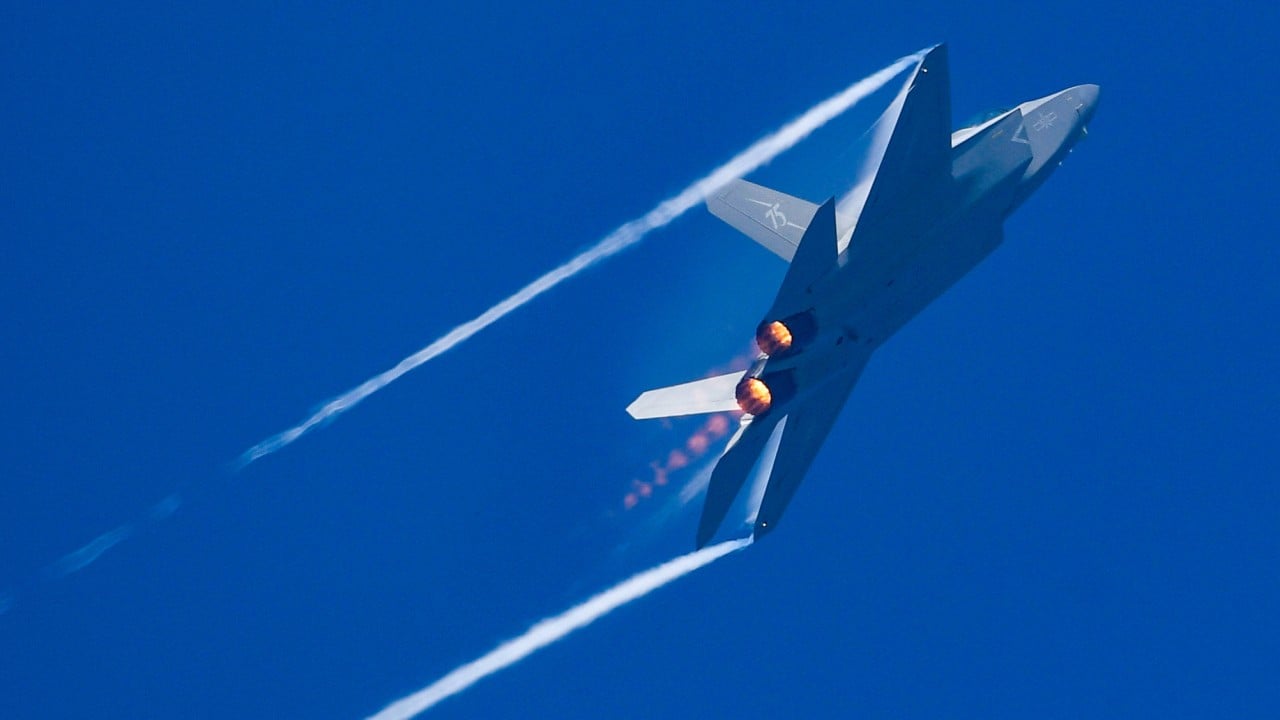
China Seeks Buyers for J-35 Fighters Amidst F-35 Competition at Singapore Airshow
China's J-35 fifth-generation fighter jet faces significant competition from the US F-35 as it aims for market penetration in the Asia-Pacific. Analysts highlight geopolitical and economic factors influencing potential buyer interest in the Chinese aircraft.
During the Singapore Airshow, China prominently showcased its J-35 fifth-generation fighter jet, signaling its intent to penetrate the Asia-Pacific defense market. Despite this display, analysts indicate that the J-35 is likely to encounter formidable competition from established platforms like the US F-35 Lightning II and lower-cost alternatives offered by other nations. The effectiveness and attractiveness of the J-35 in international markets are precarious given the strong reputation of its rivals and the varied needs of potential customers.
The strategic implications of China's attempt to market the J-35 are significant in a region increasingly polarized by US-China tensions. The Asia-Pacific is a focal point for military innovation and modern warfare, and both the J-35 and F-35 represent cutting-edge technologies in stealth and combat capabilities. The ability of China to sell J-35s could reshape regional power dynamics, potentially emboldening its influence and allowing for greater military leverage against neighboring nations.
The key players in this scenario include China as the manufacturer, the United States as the primary competitor with the F-35, and various nations in the Asia-Pacific looking to modernize their air forces. Political considerations, such as arms embargoes, diplomatic relations, and regional security arrangements, will heavily influence the purchasing decisions of these potential buyers. Countries may hesitate to buy from China due to fear of economic repercussions or strained alliances with Western powers.
The implications of J-35 sales extend beyond mere economics; they encapsulate broader geopolitical shifts. If countries in Southeast Asia opt for the J-35, it could indicate a shift in regional defense strategies and partnerships, potentially leading to an arms race or increased military cooperation among nations wary of China's expanding influence. In contrast, continued preference for the F-35 could reinforce US alliances and hinder China's aspirations.
Historically, the competition between US and Chinese military exports has intensified over the past two decades, with both nations striving to expand their spheres of influence through defense technology. The effectiveness of the J-35 in overcoming geopolitical barriers poses questions similar to those faced by Chinese naval platforms in securing foreign sales. The outcome of this competition will signal not only the success of China's defense industry but also its strategic ambitions in the Asia-Pacific.
Analysts predict that China's pursuit of J-35 sales will be met with challenges from established Western technologies. If the J-35 fails to resonate with potential purchasers, it may signal a stagnation in China's defense export ambitions. Conversely, any sales success could bolster China's military standing and influence in the region, allowing for the growth of its defense-industrial base in the international market.