China-Russia Border Infrastructure Push Amid Sanctions Crisis
China demands urgent enhancements to border infrastructure as sanctions choke transport routes, signaling deeper reliance on burgeoning Sino-Russian ties. This comes amid rising tensions and a struggle for logistical efficiencies in face of Western sanctions.
China's top envoy to Russia has starkly urged for immediate upgrades to cross-border transport infrastructure, highlighting a severe logistical crisis exacerbated by ongoing sanctions. Zhang Hanhui, Beijing's ambassador in Moscow, explicitly stated that enhancing connectivity along the China-Russia border is critical for reducing transport costs and addressing existing challenges that hinder trade flows. With current maritime routes under strain from sanctions, this call marks a significant escalation in both nations' commitment to deepen their economic ties, effectively circumventing Western-led restrictions.
The China-Russia relationship has evolved rapidly, especially following heightened Western sanctions on Russia due to its actions in Ukraine. These sanctions have forced a strategic pivot for Russia toward Asia, with China seen as a primary ally and trade partner. The increasing interdependence between the two nations finds China in a position of leveraging this partnership to boost its own economic objectives while Russia seeks alternatives to Western markets. As they align closer, the need for robust border infrastructure becomes more pressing.
This development is significant as it underscores the shifting dynamics of global trade and logistics amid rising isolationist policies from Western nations. By prioritizing border infrastructure, Beijing and Moscow are signaling that they are preparing for a future of increased economic cooperation, which could embolden their respective positions against Western hegemony. Enhanced logistics capabilities may also allow both countries to prepare for potential military collaboration, further unsettling the geopolitical landscape.
Key actors in this scenario include the Chinese and Russian governments, whose motivations go beyond mere infrastructure improvements. China's ambition to expand its Belt and Road Initiative aligns with Russia’s need to access alternative trade routes. This partnership, if executed effectively, could create seamless logistical networks to transport goods, commodities, and resources, thereby reducing reliance on traditional maritime routes that are increasingly vulnerable to Western sanctions.
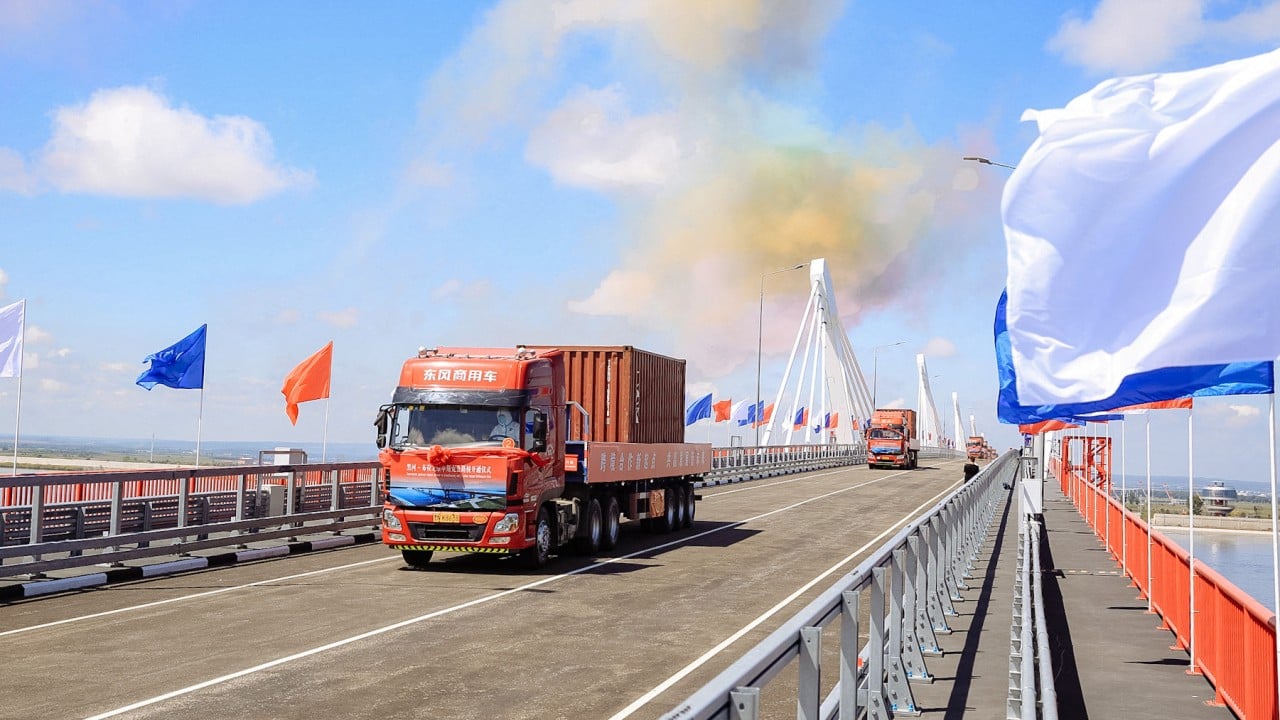
Operationally, Zhang has suggested the construction of vital infrastructure like cross-river bridges which could significantly reduce transit times and costs for goods moving between the two nations. Enhancements to border crossings will require substantial investment, estimated to reach billions of dollars over the next few years, as both nations allocate resources to strengthen their economic resilience. This rate of spending will be crucial for maintaining economic growth rates in both countries in the face of rising global pressures.
The consequences of this infrastructure push could exacerbate existing tensions as both nations seek to fortify their positions against Western sanctions. If successful, the border enhancements could lead to a drastic increase in trade volumes, further integrating both economies. However, it could also provoke a counter-response from Western nations seeking to curb the growing Sino-Russian alliance through additional sanctions or diplomatic efforts. This scenario is ripe with escalation vectors that could affect multiple geopolitical theaters.
Historically, the relationship between China and Russia has seen various phases of cooperation and tension. The Cold War era witnessed a significant split, but recent events show a marked shift toward collaborative offensives against Western dominance. This historical context suggests that attempts to fortify their logistical relationships could have parallel implications, drawing lessons from past alliances that transformed into strategic military coalitions.
Looking forward, intelligence indicators to monitor include the pace of infrastructure projects along their border, fluctuations in trade figures between China and Russia, and possible military enhancements announced in conjunction with these economic efforts. The next steps for strategic observers will be watching how effectively these nations can implement this infrastructure as they prepare for a potential confrontation with Western powers.