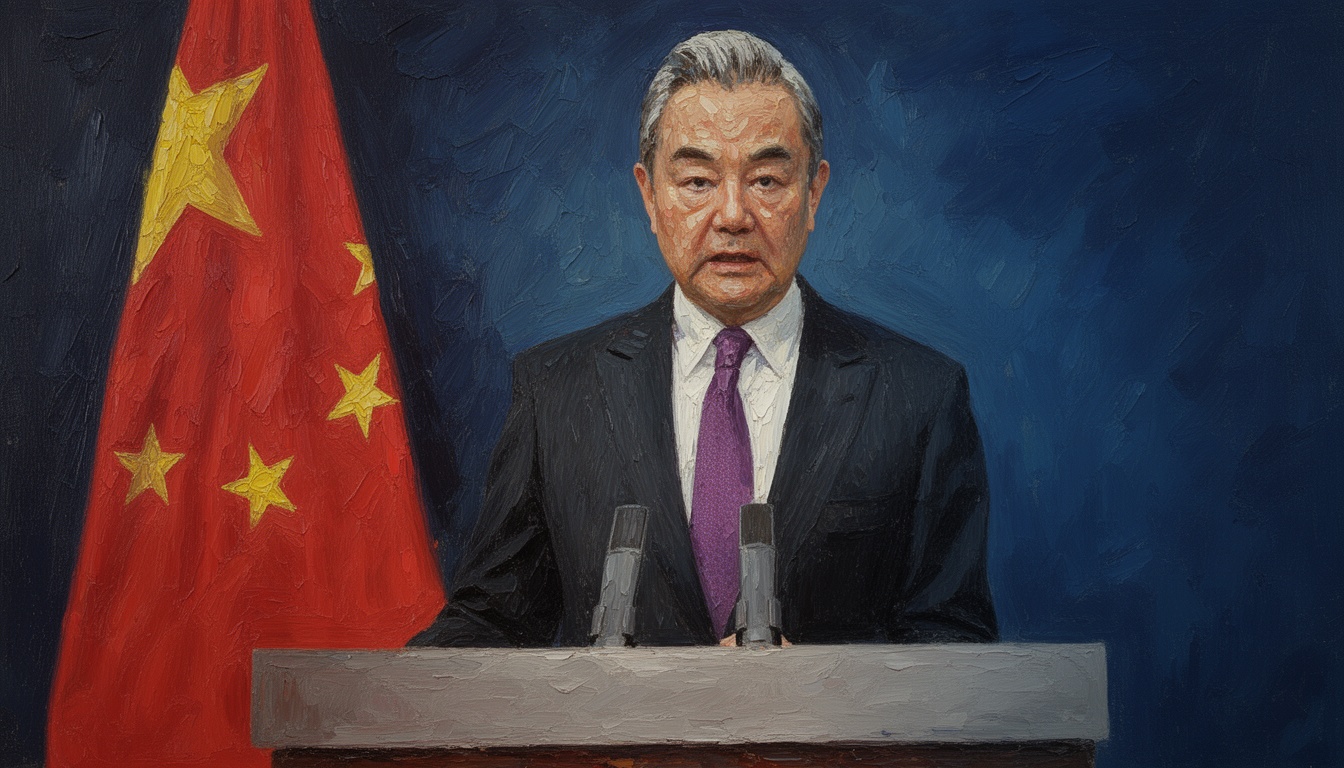
China Pushes Iran for Freedom of Navigation through Hormuz
Beijing pressed Tehran to guarantee freedom and safety for international shipping through the Strait of Hormuz. Wang Yi and Abbas Araghchi discussed guarantees amid rising energy disruption from a US blockade and Iran-US-Israel strikes. The call signals China's active diplomacy as risk mounts in a key chokepoint.
Wang Yi spoke with Iran’s Abbas Araghchi in a démarche aimed at securing free passage for international shipping through the Strait of Hormuz. The conversation occurred amid a tightening energy squeeze linked to a US naval blockade of Iranian ports and Tehran’s response to recent strikes. Beijing is signaling that it will press partners to preserve the flow of crude and refined products that underpin global markets. The call is a clear reminder that great-power diplomacy remains in play even as regional flashpoints intensify.
Contextually, the Strait of Hormuz remains the world’s most consequential chokepoint for oil and gas shipments, with a history of tensions flaring during periods of broader confrontation. Iran has asserted control over the strait in response to blockades and military actions by the United States and its allies. China, seeking to reassure markets and protect its energy interests, has made diplomatic engagement with Tehran a recurring feature of its Iran policy. The exchange with Araghchi underscores a dual objective: keep shipping lanes open and signal solidarity with international trade amid disruption.
Strategically, Beijing appears to be calibrating its position between Washington and Tehran, while reinforcing its role as a mediator that can influence maritime access for Chinese commerce. The move also aligns with broader Chinese goals of safeguarding energy security and maintaining its image as a stabilizing force in volatile corridors. If successful, China’s diplomatic push could reduce the risk of abrupt supply shocks that would ripple through Asian and European markets. However, the volatile mix of sanctions, military posturing, and regional conflicts leaves substantial uncertainty.
On the technical front, the specifics of the pledge or guarantees discussed remain confidential, but observers expect commitments related to freedom of navigation under international law, protection of civilian shipping, and a reduction of incidents at sea. The call may also touch on joint exercises or deconfliction measures that minimize miscalculation in the Hormuz environment. Analysts will watch for any public statements from Tehran about access rights, as well as indicators of how the US blockade and Iranian responses influence maritime risk assessments and insurance costs. Analysts will watch for any public statements from Tehran about access rights, as well as indicators of how the US blockade and Iranian responses influence maritime risk assessments and insurance costs.
The likely consequence is a fragile elongation of negotiation space: if Iran perceives real economic or diplomatic gains, it could temper its maritime posture; if not, the risk of miscalculation and accidental escalation increases. Beijing’s diplomatic tempo suggests a preference for steady pressure rather than abrupt shifts, aiming to sustain open channels while the Iran war environment remains volatile. Markets should brace for continued energy price volatility as the Hormuz dynamic evolves and global powers balance interests in the Persian Gulf.