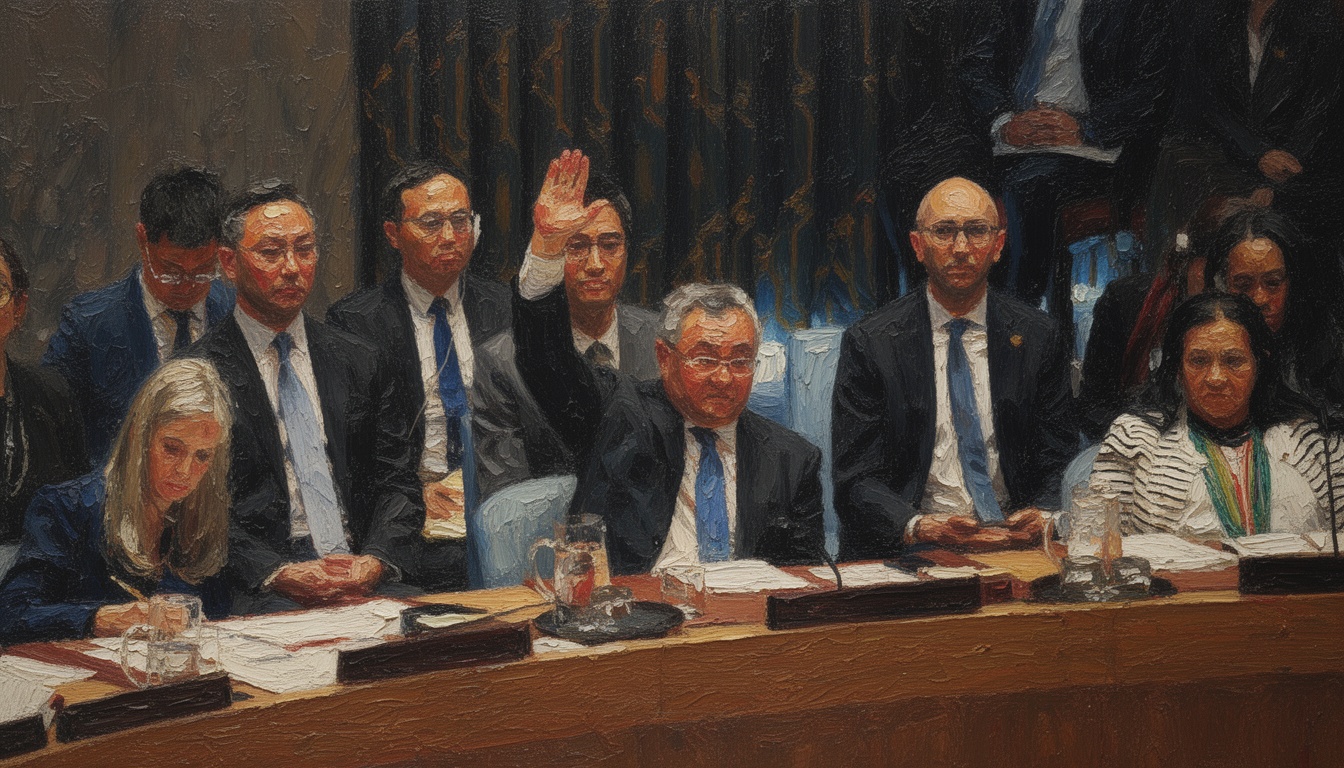
China Pressures Iran to Open Strait of Hormuz Amid Tension
China's diplomatic push highlights its strategic balancing between Iran and regional powers.
China has intensified diplomatic pressure on Iran to lift its blockade of the strategically vital Strait of Hormuz. In a recent discussion with Saudi Arabia’s Crown Prince Mohammed bin Salman, President Xi Jinping called for an "immediate and comprehensive ceasefire" and underscored the necessity for the waterway to "remain open to normal passage." These statements illustrate a nuanced stance from Beijing, reflecting concerns over diminishing regional stability without explicitly naming Iran or the United States.
The Strait of Hormuz is critical as one of the world's most important maritime chokepoints, through which approximately 20% of global oil supplies pass. The increasing tensions and disruptions posed by Iran’s activities in the region have far-reaching implications not just for oil markets but for global security dynamics. China's economic interests, heavily reliant on stable oil supplies, have prompted a recalibration of its typically close ties with Tehran as conflicts escalate.
This evolving situation signals a strategic balancing act for China, which has generally sought to maintain strong ties with Iran while also engaging with other Gulf states, particularly Saudi Arabia. Experts emphasize that China's cautious rhetoric indicates an awareness of the potential fallout from a prolonged conflict in the region, which could jeopardize its energy security and economic interests.
Operationally, the demand for the Strait of Hormuz to remain open highlights Beijing’s desire to reinforce maritime stability and safe passage for international shipping lanes. Analysts point out that China's response may further align its geopolitical ambitions with international norms, transcending mere rhetoric and moving towards actionable diplomacy in the Gulf region.
Looking ahead, the consequences of China's push for a resolution may reshape its engagement strategies across the Middle East. As it navigates its role amidst conflicting interests in the region, sustaining balance between Iran and its allies remains critical to safeguard its energy supply chain and economic aspirations. The potential for a new diplomatic framework could redefine how global powers interact with Middle Eastern states in ensuring regional stability and security.