China Militarizes Africa: Security Strategy Targets Terrorism, Assets in Crisis Zones
China’s aggressive foreign policy in Africa now includes military engagement to secure assets and citizens against rising terrorism. This shift reflects a broader strategy to assert Beijing’s influence amid growing insecurity.
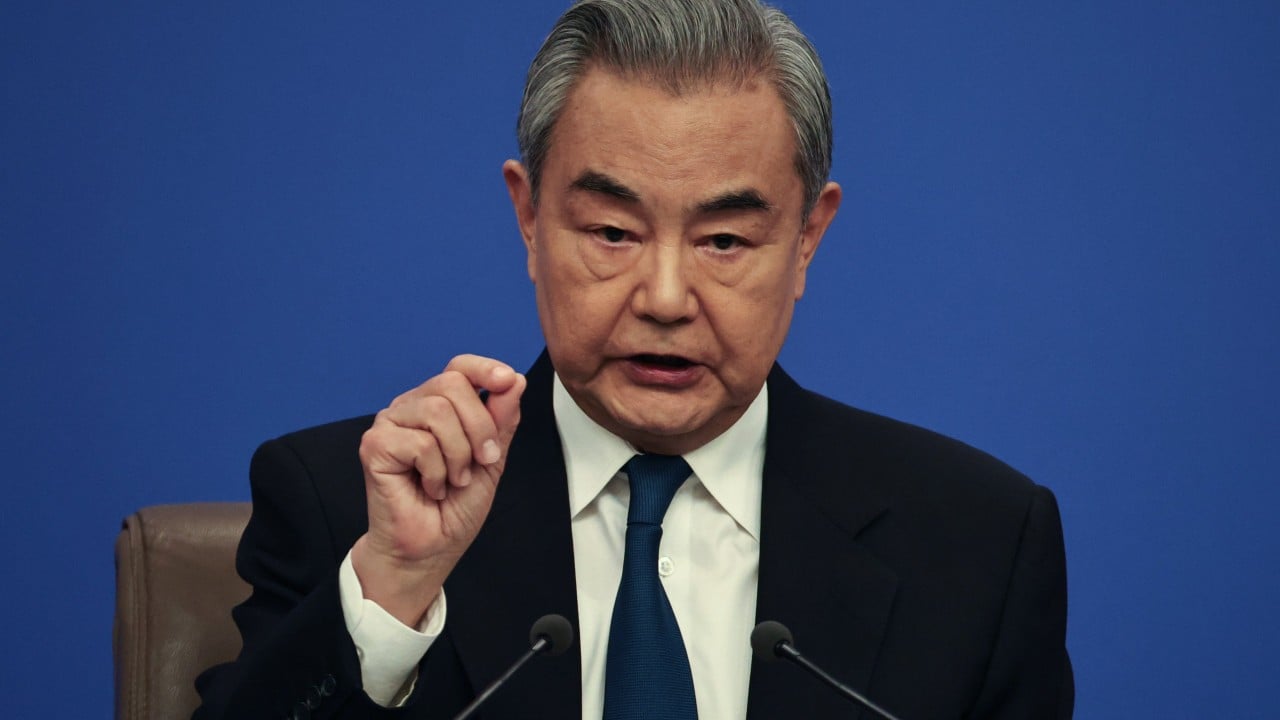
Chinese Foreign Minister Wang Yi’s recent call to embassy staff in Mogadishu starkly reveals a crisis-driven overhaul of China's security policies in Africa. Amid escalating violence in Somalia and surrounding regions, Beijing is reorienting its strategic focus to safeguard both Chinese nationals and investments in a landscape increasingly threatened by terrorism. This move indicates a significant shift in China’s diplomatic posture, veering away from previous non-interventionist principles.
Historically, China's engagement in Africa has been driven primarily by economic interests, focusing on infrastructure and resource extraction without heavy military involvement. However, as terrorism expands across the continent—particularly in volatile regions like the Sahel and East Africa—Chinese nationals have increasingly found themselves at risk. This emerging threat has prompted the Chinese government to reconsider its approach and implement proactive security measures to mitigate potential losses and bolster its growing regional assets.
The significance of this shift cannot be understated. China is positioning itself as a major security actor in Africa, directly confronting security challenges that could undermine its investments estimated in the hundreds of billions of dollars. By embracing a more interventionist stance, including potential military deployments, Beijing could fundamentally reshape the power dynamics on the continent, challenging both Western influence and local governance.
Key actors such as Beijing’s Ministry of Foreign Affairs and military establishments are driving this renewed focus on security. Their motivations are clear: protect lucrative investments in mining, oil, and infrastructure, while also securing the safety of approximately 1 million Chinese nationals living and working across Africa. The urgency is further underscored by recent high-profile kidnappings and attacks targeting Chinese citizens, which have intensified calls within China for a robust security framework.
Operationally, this new security strategy could involve the establishment of military bases, the deployment of security personnel, and enhanced intelligence operations across key locations such as Somalia, the Democratic Republic of the Congo, and beyond. China is also likely to invest in surveillance technologies and counter-terrorism training to equip local forces, consolidating its influence while removing barriers to foreign investment. The budget for such initiatives could run into the tens of millions of dollars, indicating a serious commitment to security.
The likely consequences of this expansion are manifold. China’s increased military presence could lead to heightened tensions with local militant groups, furthering the cycle of violence. Moreover, such actions could elicit backlash from African nations wary of Chinese overreach, potentially provoking local anti-China sentiment and complicating Beijing’s relations within the continent.
Historically, heating up military engagement in foreign territories has often led to protracted conflicts and increased resistance, as seen in Afghanistan and Iraq. If China's military involvement escalates in Africa, it could set a dangerous precedent, potentially leading to situations reminiscent of Western interventions that inflamed regions rather than stabilized them.
Moving forward, watch for specific indicators such as the establishment of military agreements with local governments, the deployment of personnel to crisis hotspots, and shifts in mission statements from Chinese diplomatic corps. The trajectory of China's increasing militarization in Africa will be critical to monitor, with implications for global security dynamics and regional stability as America and its allies react to China’s assertive moves.