China Influences Iran-US Ceasefire Before Hormuz Deadline
China’s last-minute intervention reportedly secured a two-week Iran-US ceasefire, defusing Strait of Hormuz tensions. The ceasefire follows Iran’s 10-point proposal delivered via Pakistan, marking Beijing’s strategic distancing yet crucial diplomatic role.
A two-week ceasefire between Iran and the United States was announced on April 7, just under two hours before the American deadline for Iran to reopen the Strait of Hormuz expired. This interim agreement came after Pakistan’s Prime Minister Shehbaz Sharif proposed the ceasefire, which Iran accepted following a 10-point proposal sent to the US through Pakistani intermediaries on April 6.
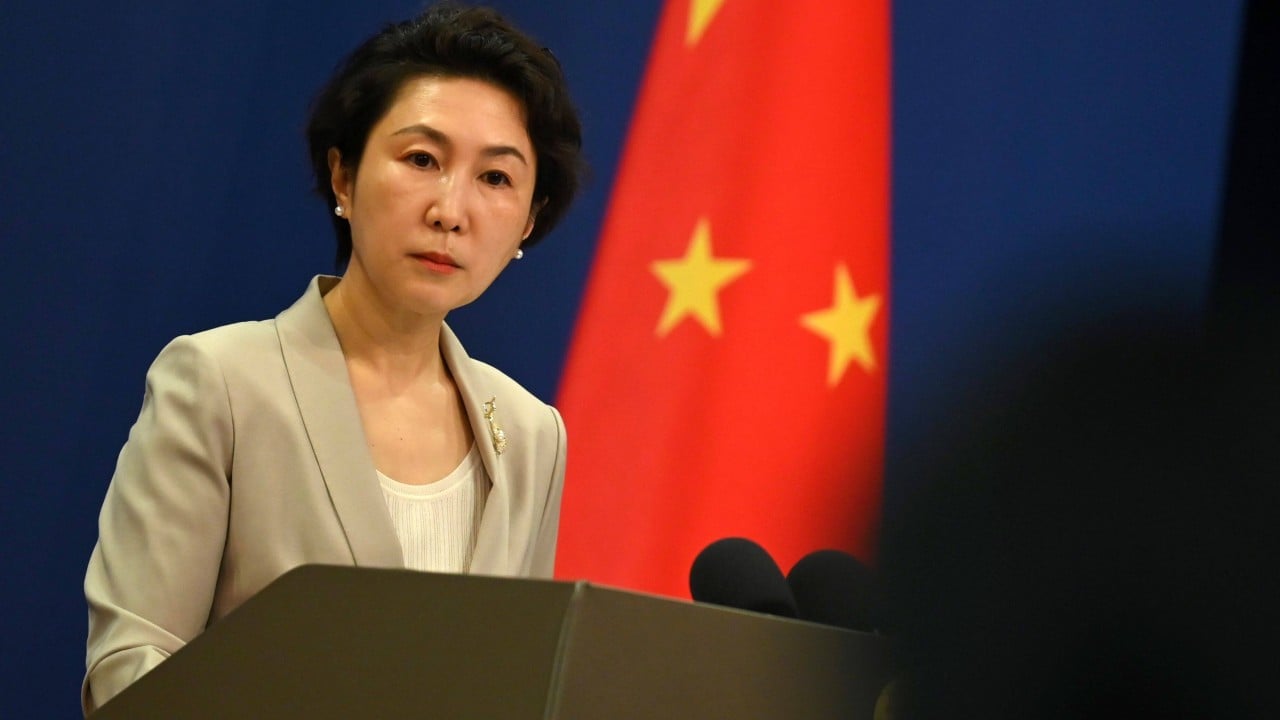
Iranian officials credit China with a pivotal, last-minute diplomatic intervention that convinced Tehran to agree to the truce. China’s involvement appears as a strategic move to maintain influence in the region without direct confrontation, balancing its interests vis-à-vis both Iran and the US.
This ceasefire temporarily eases one of the most volatile flashpoints in global maritime security. The Strait of Hormuz is a critical chokepoint through which about 20% of the world’s seaborne oil supply transits. Disruptions have grave implications for global energy markets and regional stability.
The 10-point Iranian proposal reportedly includes measures for de-escalation and reopening the strait’s shipping lanes. China’s diplomatic mediation underscores Beijing’s rising role as a power broker in Middle Eastern conflicts and its desire to avoid escalating tensions between major powers.
Looking ahead, this ceasefire may provide a fragile window for renewed negotiations, though underlying regional rivalries and mistrust remain high. China’s cautious balancing act suggests it will continue to influence outcomes indirectly while prioritizing regional stability over direct confrontation.