China Faces Export Turmoil; Expands Imports to Offset Economic Collapse
China's pledge to expand imports signals a dire response to economic instability as export pressures mount. This shift may reshape global trade dynamics amid emerging geopolitical conflicts and scrutiny of China's trade practices.
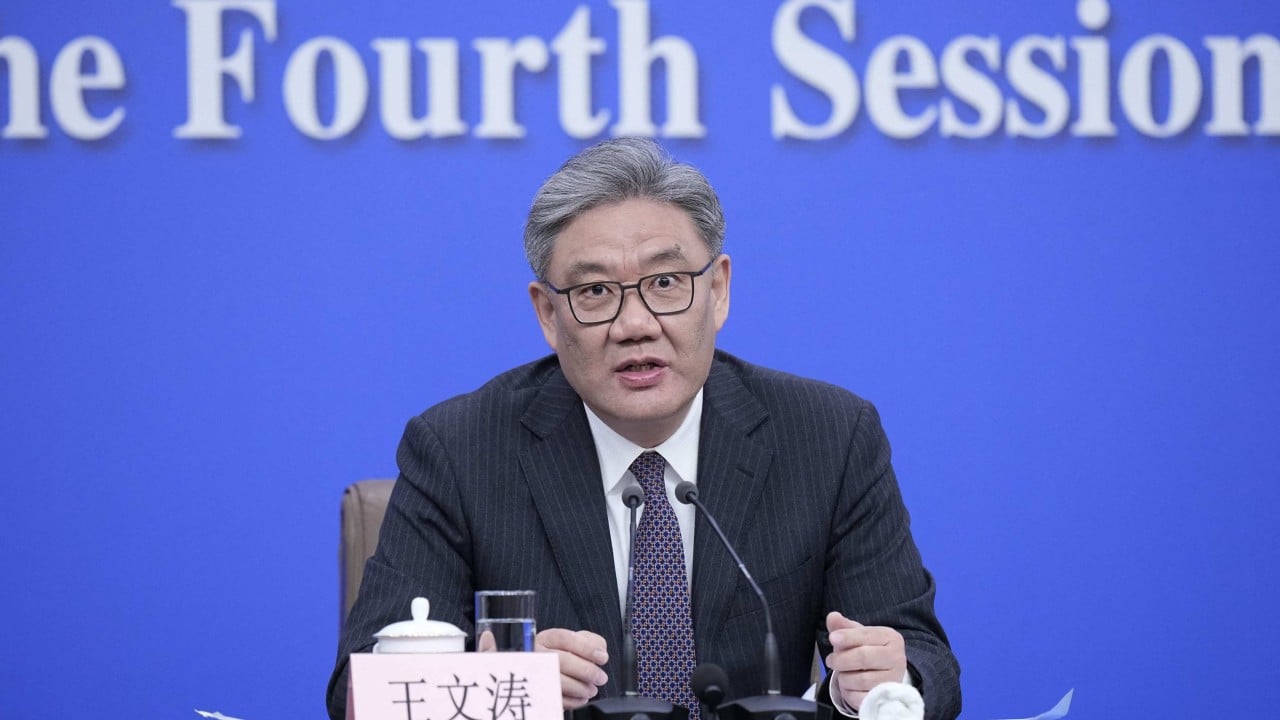
China's Commerce Minister announced a new policy to drastically expand imports aimed at countering fears of a recession following alarming declines in exports. This strategic pivot is an explicit acknowledgment of the economic challenges facing the world's second-largest economy, largely due to intensified scrutiny of its trade practices and geopolitical tensions influencing global supply chains. Such measures reflect profound vulnerabilities in China's economic model, which has heavily relied on exports for growth.
The backdrop of this shift is steeped in rising tensions between China and other major economies, particularly the United States and European nations, over trade practices and human rights issues. Additionally, increasing competition from neighboring countries in Asia has put pressure on China’s export-driven growth that has defined its economic ascent. Trade disputes are surging as the West ramps up tariffs and sanctions targeting key Chinese sectors, leaving Chinese officials scrambling for alternative strategies to stabilize their economy.
This new import strategy underscores the significance of China's role in the global trade framework. A decline in exports could disrupt not only China's economy but also ripple through global markets, challenging supply chains that rely on Chinese manufacturing. As Beijing seeks to bolster imports, it could shift the dynamics of international trade and give rise to new trading partners outside traditional Western markets, stretching relationships across the globe.
Key players in this scheme include China's Ministry of Commerce and domestic industries that would benefit from increased imports of goods and raw materials to stimulate local markets. However, the motivations behind this strategy seem more reactive than proactive, as China confronts the reality of waning influence over its previous export-led growth model. Officials assert that this is a bid to stabilize trade, but it hints at desperation amid plummeting export figures.
Operationally, Beijing intends to diversify its trade portfolio by fostering sectors such as artificial intelligence (AI) and biotechnology, aimed at enhancing China’s technological capabilities. This push comes as the government seeks to attract foreign investments and initiatives that bolster economic resilience. Experts anticipate that this could lead to an increase in imports of advanced technology and machine parts, potentially valued in the billions of dollars.
The likely consequences of China’s import expansion may include a further slowdown in global economic growth, particularly affecting nations reliant on exports to China. A loss of trade balance could provoke retaliatory measures from countries feeling the squeeze, leading to a tit-for-tat escalation that destabilizes regional economies and heightens geopolitical tensions. Moreover, if China fails to rejuvenate its economy through imports, a crisis could emerge that forces key trades such as rare minerals and commodities into turmoil.
Historical parallels can be drawn from the late 1980s when Japan confronted similar pressures following a real estate bubble collapse. As Japan pivoted to imports amidst declining exports, the global economy faced repercussions that stretched for years. This incident serves as a stark reminder of how quickly economic strategies can backfire, leading to prolonged periods of stagnation.
Moving forward, defense analysts and global markets should closely monitor China's economic indicators, particularly shifts in import/export ratios and any political maneuvers that accompany these changes. Updates from trade partners and shifts in policy direction from Beijing will be critical in determining the actual resilience of China's economy. Signs of an uncoordinated implementation of these policies could indicate deeper systemic issues lurking beneath the surface of this ambitious import agenda.