China Exploits US Military Diversion Amid Iran Conflict, Gains Strategic Edge
Beijing is poised to capitalize on the US military's focus on Iran, potentially destabilizing the Taiwan Strait. This shift raises significant concerns about regional security dynamics and China's assertive posture.
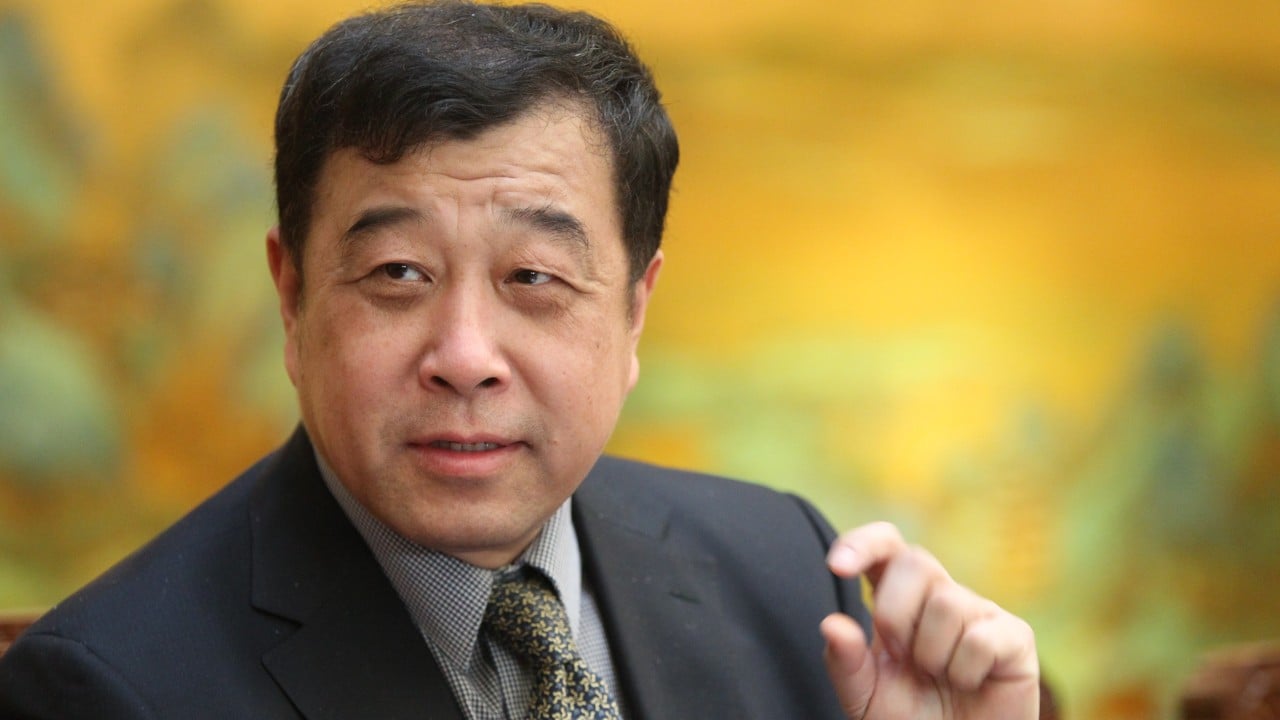
As the United States diverts military assets to confront escalating tensions in the Middle East, particularly concerning Iran, China stands ready to exploit this shift to enhance its strategic positioning in the Taiwan Strait. Prominent Chinese academic Li Yihu, a key figure at Peking University's Taiwan Research Institute, emphasized that Washington's engagement in multiple conflicts weakens its military readiness in Asia, paving the way for Beijing's more aggressive posture towards Taiwan.
This military redraw comes against a backdrop of persistent cross-strait tensions, where China views Taiwan as a breakaway province and has not ruled out the use of force for reunification. While the US has reiterated its commitment to supporting Taiwan through arms sales and military cooperation, the ongoing US military focus elsewhere, particularly in Iran, signals a potential void in deterrence in the region. This development mirrors the 2014 pivot to Asia that coincided with increased Chinese naval activity, a clear sign of Beijing's long-term strategy to increase influence in contested waters.
The implications of this US diversion are profound. With over 25,000 US troops stationed in Asia and military assets increasingly mobilized for the Middle East, the backfilling of forces in Taiwan remains uncertain. American military commitments are now stretched, potentially emboldening China's overt military maneuvers in the strait. This strategic shift raises the risk of miscalculation on either side, threatening regional stability at a time of growing Sino-American rivalry.
Key actors in this scenario include the US defense establishment, which is navigating a complex interplay of deterrence commitments and operational readiness, and China, which seeks to project power. While Beijing publicly advocates for peaceful reunification, the history of its military posturing reveals a more assertive underpinning as it seeks to validate its territorial claims against an increasingly distracted United States. Li Yihu's remarks underscore that this moment is viewed by China as a unique opportunity to exert influence.
On the operational front, US military deployments are significantly impacted as around 2,500 troops and several naval assets, including the USS Abraham Lincoln Carrier Strike Group, are repositioned to the Persian Gulf. Meanwhile, Chinese maritime forces, including advanced Type 055 destroyers, are conducting routine drills in the Taiwan Strait. The pressure is mounting as China also accelerates its own military modernization efforts, particularly with naval expansion and missile technology advancements, refining its ability to challenge US forces.
The fallout from the US military's focus on Iran is likely to amplify tension within the Taiwan Strait as China may consider this an opportune moment to initiate provocative military displays or even an escalation of aggressiveness. Should reaffirmed military exercises by China occur near Taiwan, it could signal a broader strategy of coercion against both Taipei and Washington in the wake of this shifting military focus. The potential for a misfire in communication or intent is higher than ever, creating an explosive flashpoint.
In historical context, this scenario evokes memories of the Cold War, where US military engagements stretched resources thin, allowing adversarial nations to exploit distractions. In critical moments like the Cuban Missile Crisis, swift misjudgments carried devastating threats to global peace. Thus, monitoring China's next moves in the strait is essential, as any aggressive action could result in unintended consequences escalating beyond the region.
Looking forward, intelligence professionals should closely observe indicators such as increased Chinese naval activity, military exercises around Taiwan, and diplomatic communications from both sides. The coming months will be pivotal in shaping regional dynamics and the international response to China's strategic calculations amidst the US entanglement in the Middle East.