China Escalates Space Solar Power Despite Middle East Strait Crisis
China advances its Zhuri space solar power project amid Strait of Hormuz lockdown, challenging global energy routes. This massive orbital solar initiative threatens to shift global energy dynamics by reducing fossil fuel reliance from volatile regions.
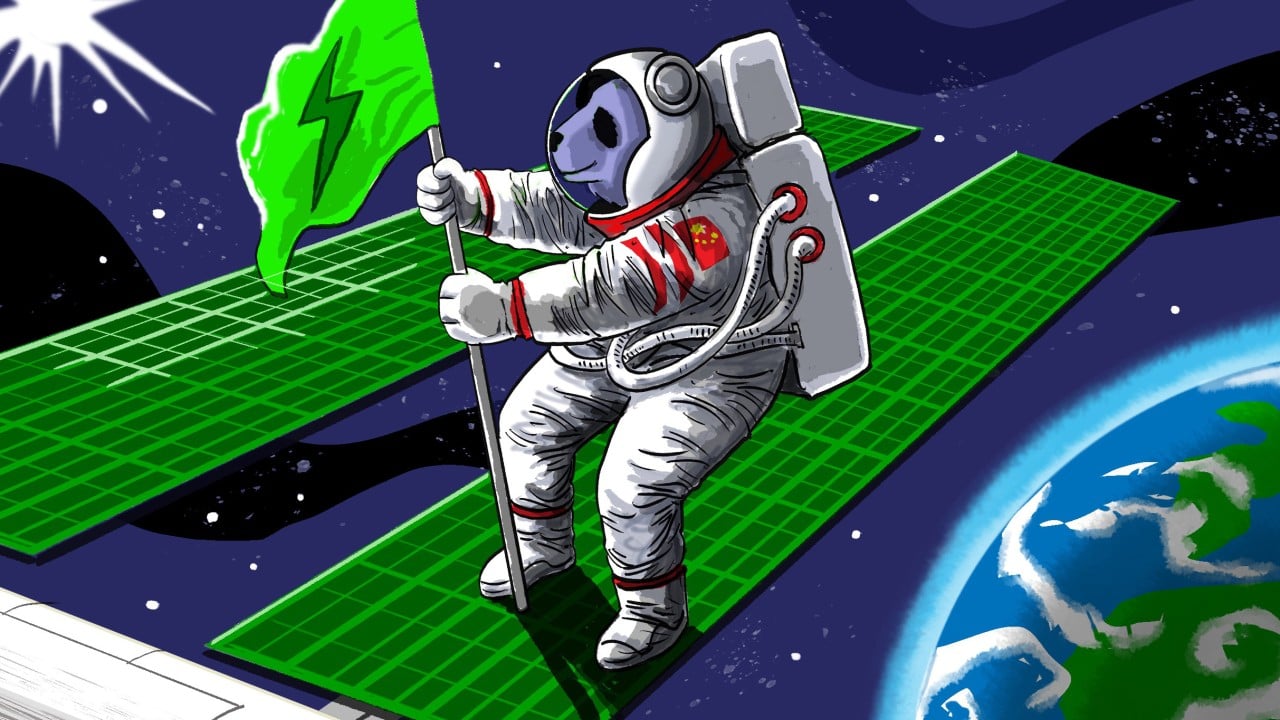
China is accelerating its ambitious Zhuri project to deploy space-based solar power stations, despite mounting tensions in the Middle East that have effectively shut the Strait of Hormuz—through which about 25% of global seaborne oil transits. The project aims to harvest solar energy in geostationary orbit and beam it to Earth, bypassing terrestrial energy vulnerabilities.
The Strait of Hormuz closure has intensified global energy security concerns. China, exposed to supply route disruptions, is pushing forward its solar space power initiative to secure a sovereign and clean energy source. The Chinese Academy of Engineering's Long Lehao compares this undertaking to placing the colossal Three Gorges Dam into orbit, highlighting its unprecedented scale.
Strategically, Tokyo and Washington are alert as China’s space power ambitions could undermine their influence in energy markets and geopolitical leverage over Middle Eastern oil flows. This effort also signals China’s drive to dominate cutting-edge renewable technologies and diversify its energy portfolio beyond terrestrial constraints.
Technically, Zhuri envisions large-scale solar arrays in geostationary orbit with microwave or laser transmission systems to deliver up to several gigawatts of clean energy continuously. The project demands breakthroughs in space construction, energy conversion, and safe power beaming technologies. Investment and research exceed several billion dollars, demonstrating China’s commitment.
Going forward, successful deployment could accelerate the shift from fossil fuels, reducing global dependence on unstable regions like the Middle East, while providing China with a critical strategic resource. However, it risks exacerbating great power rivalry in space and renewable tech dominance, potentially sparking new security dilemmas.