China Demands Return of 1,300-Year-Old Tablet from Japan
China’s demand for repatriation of a 1,300-year-old cultural artifact from Japan challenges unresolved wartime plunder issues. This could escalate Sino-Japanese tensions and set a global precedent for restitution of cultural treasures taken during conflicts.
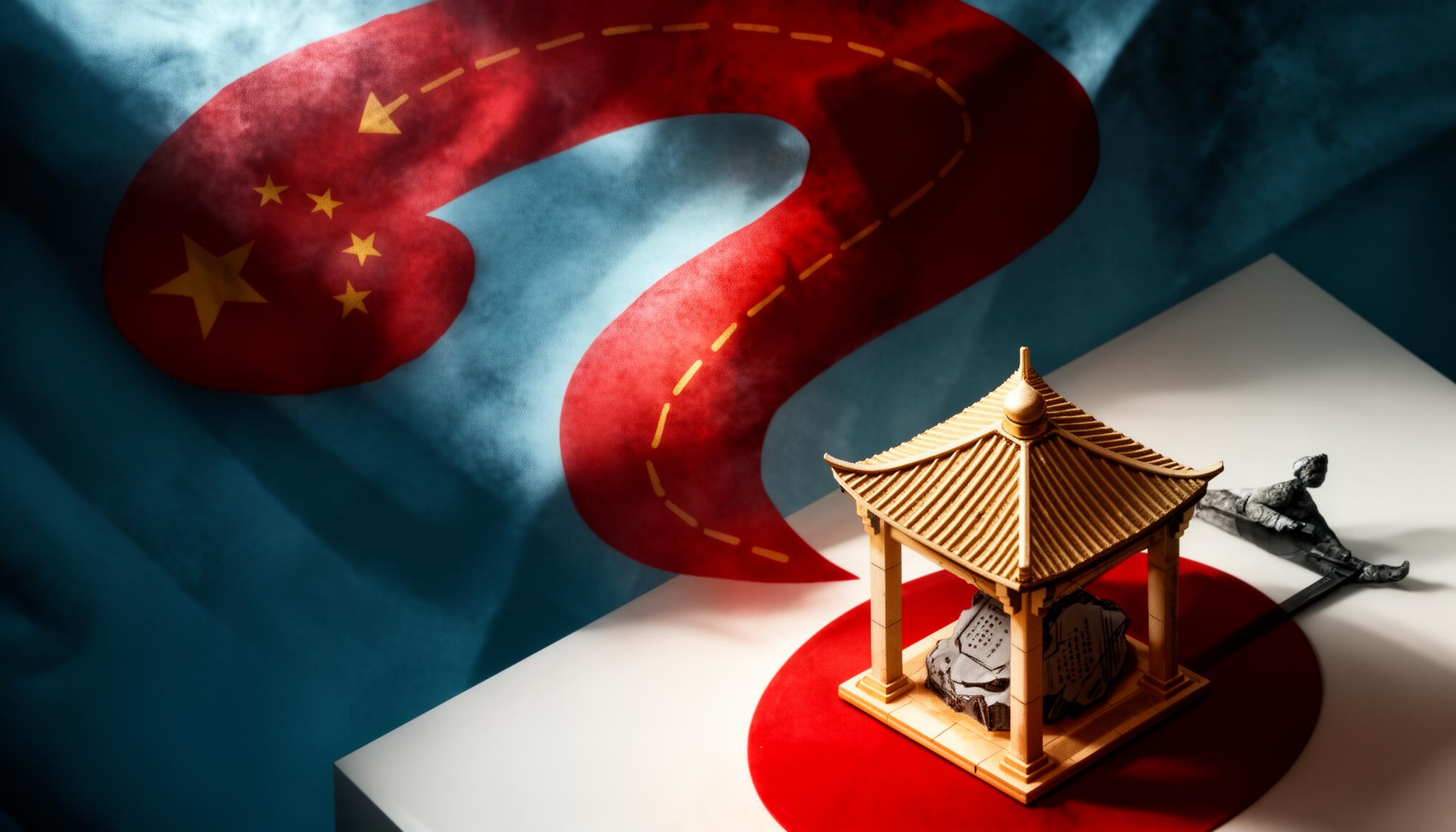
China has officially demanded Japan return a 1,300-year-old stone tablet currently held in the Japanese Imperial Palace. This tablet, an ancient Chinese cultural relic looted during centuries of conflict, symbolizes broader disputes over stolen artifacts dating back to wartime. The demand revives historic grievances linked to Japan’s wartime aggression and cultural pillage.
After Japan’s 1945 surrender, Allied Supreme Commander General Douglas MacArthur mandated the return of looted cultural properties, but many artifacts remained abroad. China now positions itself as a pioneer in reclaiming stolen cultural heritage on a global scale, pushing for legal and diplomatic restitution that has so far been stalled.
Strategically, the tablet’s return could deepen Sino-Japanese diplomatic tensions amid already fragile regional security dynamics. It highlights unresolved historical grievances fueling nationalist sentiments and complicates efforts for regional reconciliation. The case tests international norms on repatriation and cultural property rights post-conflict.
The tablet, dating from the Tang dynasty era approximately 1,300 years ago, is an inscribed piece of archaic stoneware with significant historical and cultural value for China. Japan’s possession of such artifacts stems from centuries of warfare, colonialism, and unequal treaties. The diplomatic battle now involves complex legal arguments about ownership, provenance, and international law.
If China succeeds, it may trigger a surge of similar claims worldwide over cultural properties displaced by conflicts, potentially destabilizing international collections but advancing justice for source nations. Failure to resolve the dispute risks protracted Sino-Japanese tensions and further deterioration of regional security cooperation.