Cheap Interceptor Drones Shield US Troops Against Shahed Drones in Ukraine
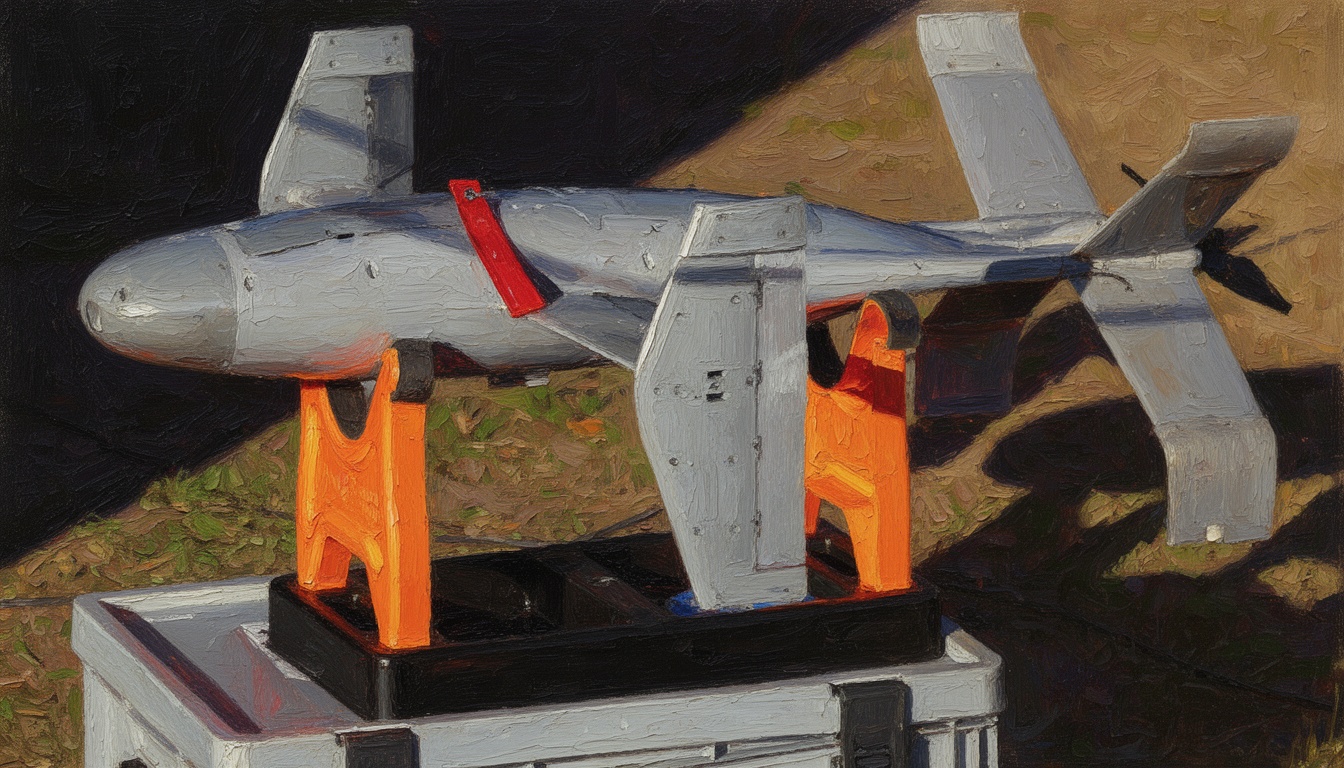
A low-cost interceptor drone, touted for its performance in Ukraine, protected American troops from Iranian Shahed drones. The top Army official praised the Merops drone for its defense against long-range kamikaze drones. The development signals a potential shift in battlefield air defense with affordable, scalable solutions.
An inexpensive interceptor drone has demonstrated its protective effect for US forces in Ukraine by countering Iranian Shahed attack drones. The Merops platform reportedly intercepted and limited the effectiveness of Shahed-type aerial threats, allowing US troops to operate with reduced risk of drone strikes. Military officials emphasize the cost efficiency of Merops as a force multiplier in congested airspace. The achievement underscores a growing emphasis on affordable, rapidly fielded air defense options in hybrid warfare theaters.
Background context shows Shahed-series drones, produced by Iran, have been a persistent challenge for air defense in multiple theaters. Ukrainian air defenses have struggled under sustained drone incursions, prompting Western partners to accelerate the fielding of lightweight interceptors. The Merops program emerged as a modular, scalable answer intended to complement heavier systems. Analysts note that cheap interceptors could reshape tactics by allowing dispersed units to defend perimeters with greater resilience.
Strategic significance lies in enhancing dissuasion and preserving maneuver options for frontline units and allied formations. If such interceptors prove reliable at scale, they could complicate adversaries' use of inexpensive drones for pressure and saturation effects. The development also has potential implications for alliance industrial collaboration and local production, reducing dependency on high-end platforms. Escalating drone threats necessitate multipronged defenses that can adapt quickly to changing tactics.
Technical or operational details indicate Merops is designed as a low-cost interceptor with rapid deployment capabilities and modular payload options. Specifics on flight endurance, sensor suites, or engagement ranges remain under tight security, but officials describe it as a cost-effective counter-UAS asset. Force composition in allied deployments may prioritize integration with ground-based radars and short-range shooters to maximize mutual reinforcement. Budget considerations emphasize affordability and the ability to scale deployments to critical zones.
Likely consequences point to a broader push for inexpensive, rapidly producible air defense assets in allied theaters. If producers can sustain mass manufacturing, these interceptors could saturate contested airspace and create deterrence against swarm drone assaults. Forward-looking assessments warn that adversaries may respond with more capable drones or electronic warfare to degrade interceptor effectiveness. The ongoing evolution of drone warfare will test interoperability between sensors, shooters, and command-and-control networks across coalition forces.