Ceasefire sparks celebrations as civilians return to southern Lebanon
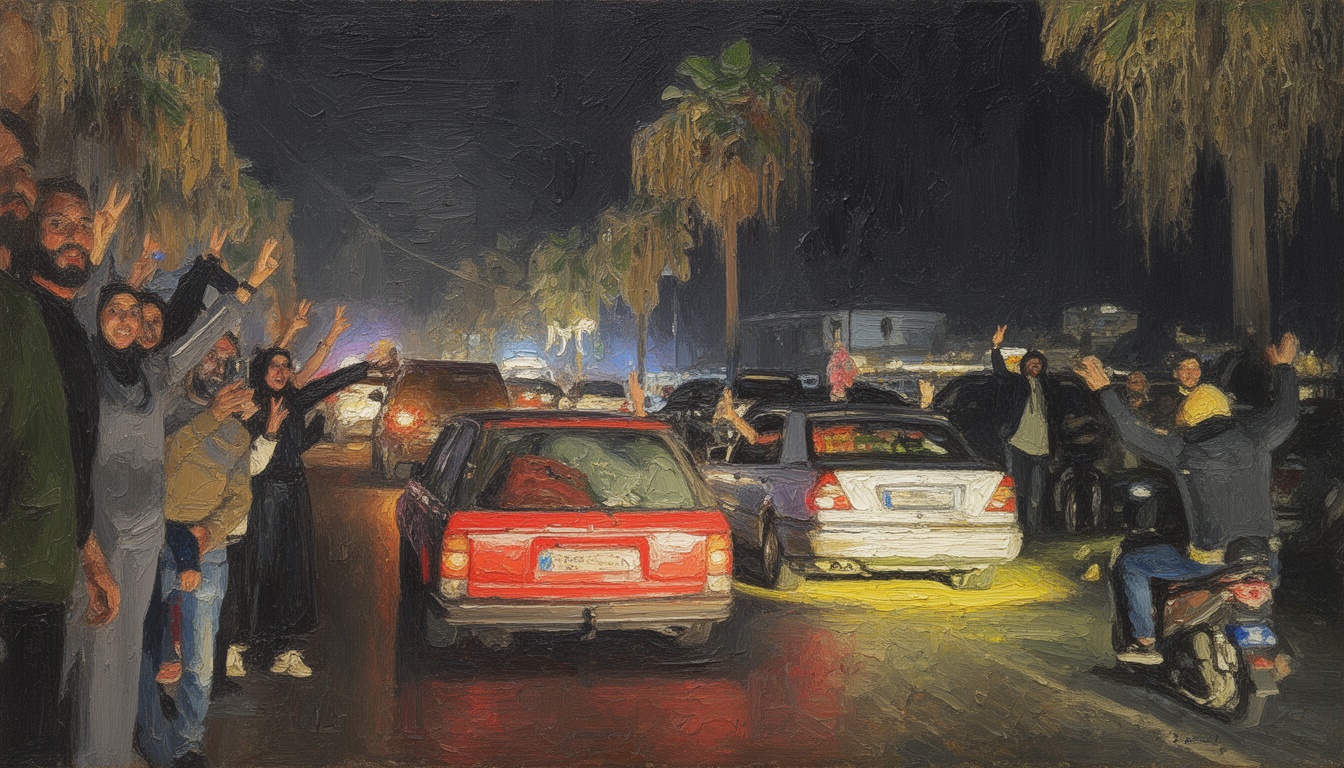
The ceasefire announcement triggers celebrations as residents move back to homes in southern Lebanon. Roads fill with honking, flags, and relieved chatter. The development marks a potential easing of regional tensions but leaves questions about security and reconstruction.
The ceasefire has prompted immediate, visible relief on the ground in southern Lebanon. Residents are driving back to their neighborhoods, filling the roads with traffic and noise. Small groups gather on main thoroughfares, waving flags and lighting roadside fires in cautious celebration. The mood shifts as people reconnect with homes and livelihoods interrupted by weeks of fighting.
The move comes amid a broader tightening of regional engagement after sporadic clashes and cross-border tension. Local authorities warn that minefields and damaged infrastructure could slow returns, prompting cautious optimism. Community leaders emphasize the need for monitoring to prevent a relapse into violence. Civilians express relief while acknowledging ongoing risks from residual instability.
Strategically, the ceasefire reduces immediate fire risk and creates a window for humanitarian access and reconstruction planning. External powers have signaled different timelines for stabilizing the area, influencing local security dynamics. The lull may allow diplomatic channels to resume and for aid to reach affected communities. Yet, the risk of sudden escalations remains if provocation or miscalculation occurs.
Officials describe the return as logistical, not symbolic. Roadways are crowded with civilian vehicles, ambulances, and aid convoys moving toward southern enclaves. Local security forces report pockets of tension near border-crossing points but credit the ceasefire with preventing a full return to hostilities. The long-term military balance in the region will hinge on enforcement and external political incentives.
Looking ahead, analysts expect a fragile calm to endure only if monitoring is effective and reconstruction flows begin. International donors are being urged to fund critical repair work, water, power, and housing. If security holds, this moment could pivot toward stabilization and gradual reintegration of communities into normal life. However, any violations could quickly reescalate tensions and trigger renewed displacement.