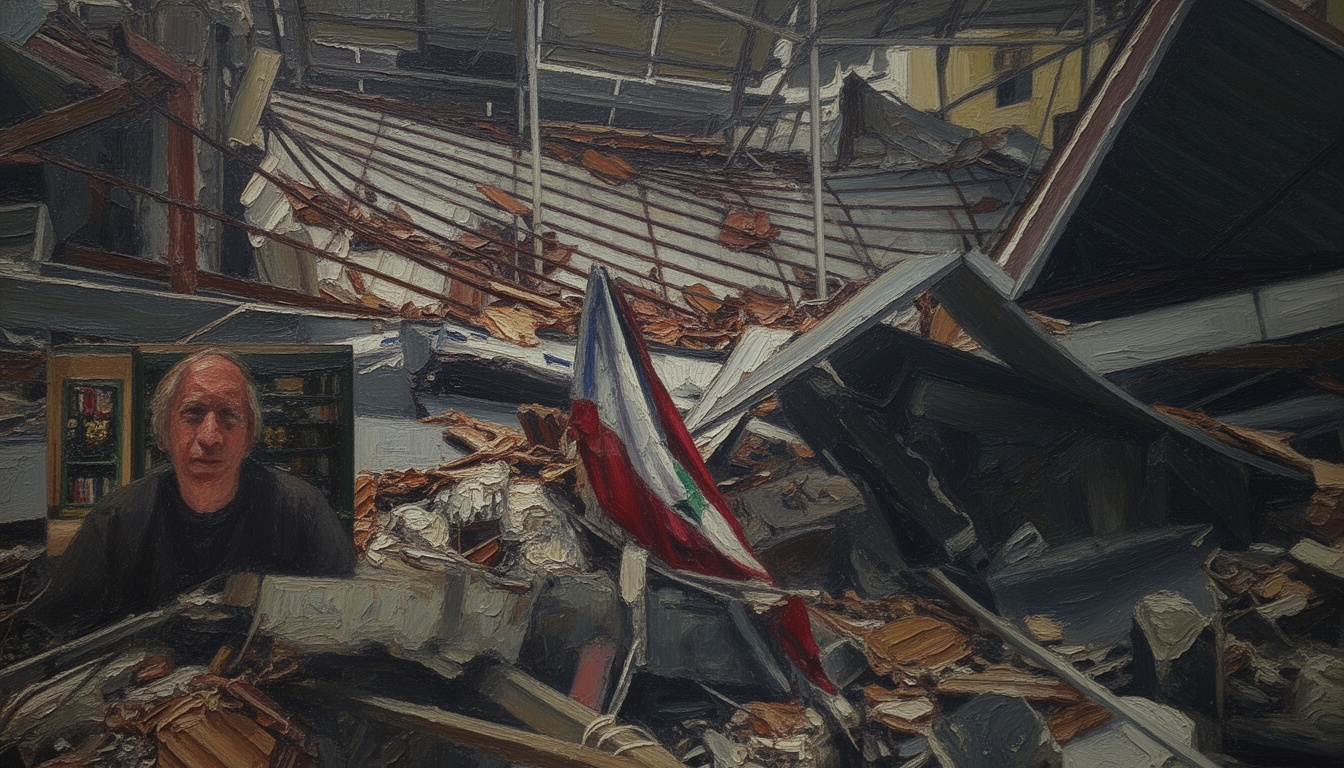
Ceasefire in the Middle East is fragile; Washington talks test extension
A 10-day Israel-Lebanon ceasefire prompts new Washington talks to decide on extension. Analysts warn Middle East ceasefires, especially Lebanon’s, are often breached. The Israel-Lebanon and US-Iran dynamics complicate a durable pause.
The ceasefire between Israel and Lebanon has entered a critical window as talks in Washington aim to decide whether the pause can be extended. A decade-long pattern of fragile truces underlines the risk that current arrangements will unravel under pressure from actors on the ground and external patrons. Beirut-Damascus frontier remains volatile, and external sponsors have incentives to test restraint. Extension means more than time; it signals who gains leverage in a changing power balance.
Lebanon’s border security and Israeli deterrence calculus are intertwined with wider regional rivalries. Diplomatic mediation carries credibility but also the risk of misinterpretation by actors pursuing their own narratives. In this environment, an extension is not just time; it is about verification and enforcement rules. Financial and logistical commitments from external sponsors will shape the feasibility of any extended ceasefire.
For Miller, veteran analyst at the Carnegie Endowment, ceasefires have long shown a paradox: they are often temporary, not durable. His view signals a broader pessimism that durable diplomacy requires converging strategic interests and domestic political steadiness. The Israel-Lebanon and US-Iran dynamics are the hinge on which any extension will rotate. The risk is that progress in talks could mask a deeper strategic rift and trigger renewed fighting on short notice.
Operational details matter. The current pause spans 10 days, with negotiators in Washington exploring terms, guarantees, and verification.
The likely consequences point to two outcomes: a fragile extension that buys time for diplomacy but preserves escalation risk, or a failed extension that could spark a renewed cycle of conflict. On the ground, any incident could spiral; regional and global actors watch closely. The decisive factor will be restraint and disciplined compliance, not vague assurances.