Ceasefire Eases Pressure in Iran, Economy Still Grim
A ceasefire has reduced immediate tensions in Iran, yet the domestic economy remains strained. Tehran's markets show mixed signals: activity returns to the Grand Bazaar but sales stay tepid. The relief is partial, with long-term outlooks clouded by inflation, sanctions, and liquidity constraints.
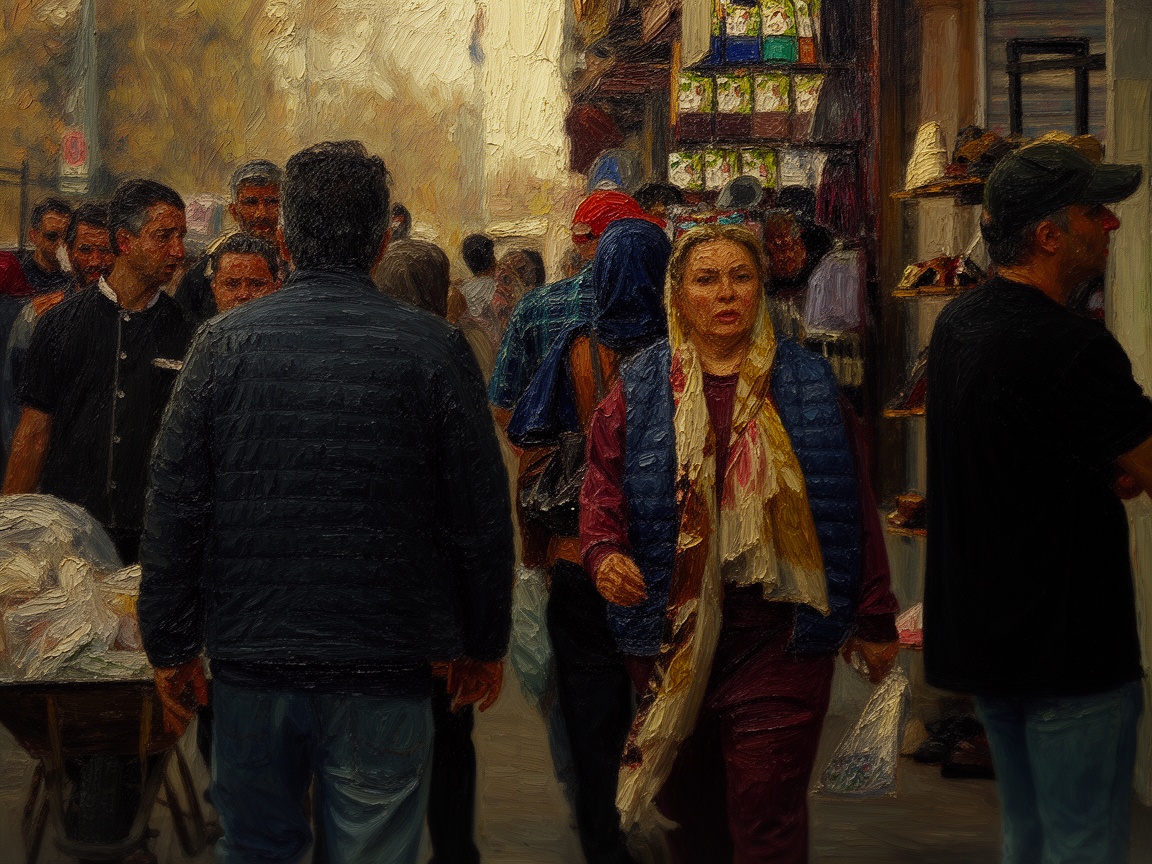
The ceasefire has brought a measurable cooling of immediate kinetic risk, but the broader Iranian crisis persists. In Tehran, the Grand Bazaar shows more foot traffic than in the weeks just before the truce, yet vendors report that turnover has not rebounded to pre-crisis levels. Merchants describe a cautious consumer mood, with buyers prioritizing essential goods and delaying discretionary purchases. The pause in hostilities has reduced the urgency of flash sales and black-market access challenges, but fiscal realities remain stubbornly harsh.
Historically, ceasefires alter perceptions more than balances of power, and this one is no exception. Traders say the lull has allowed families to breathe, plan, and adjust budgets. However, currency depreciation, rising import costs, and liquidity squeezes continue to squeeze household incomes. The political calculus in Tehran now hinges on sustaining public calm while managing inflationary pressures and debt service risks. The ceasefire offers relief, but not a cure, for structural economic fragility.
Strategically, the relief in Iran could affect regional risk calculations. If the pause in hostilities persists, neighboring markets may stabilize briefly, and cross-border trade could resume in limited corridors. Yet external factors—sanctions cycles, oil revenue volatility, and international financial pressures—mean the economy remains vulnerable to shocks. The internal balance between social stability and political messaging will shape disbursement of subsidies and the prioritization of essential goods in months ahead.
On the ground, the Grand Bazaar’s activity metrics paint a nuanced picture. Vendors report slower inventory turnover, with many relying on debt to finance stock and keep storefronts open. Price levels for staples show only gradual improvement, while non-food items remain constrained by cautious consumer demand. Currency reserves and access to international banking continue to constrain imports, reinforcing a cautious stance among traders and shoppers alike.
Looking forward, the ceasefire could buy time for economic reforms or targeted relief, but the trajectory remains uncertain. If sanctions pressures resume or external donors delay support, inflation and unemployment could outpace nominal gains from any temporary uptick in activity. Analysts expect households to consolidate savings and defer large purchases, while the state weighs social subsidies against fiscal consolidation. The next phase will test whether the ceasefire translates into durable economic stabilization or merely a temporary pause in hardship.