India Deploys Warships; Gulf of Oman Tensions Rise
In a bold move, India deployed warships to escort LPG tankers through the tension-laden Gulf of Oman. This strategic action highlights growing security concerns in a vital maritime corridor amid regional uncertainties.
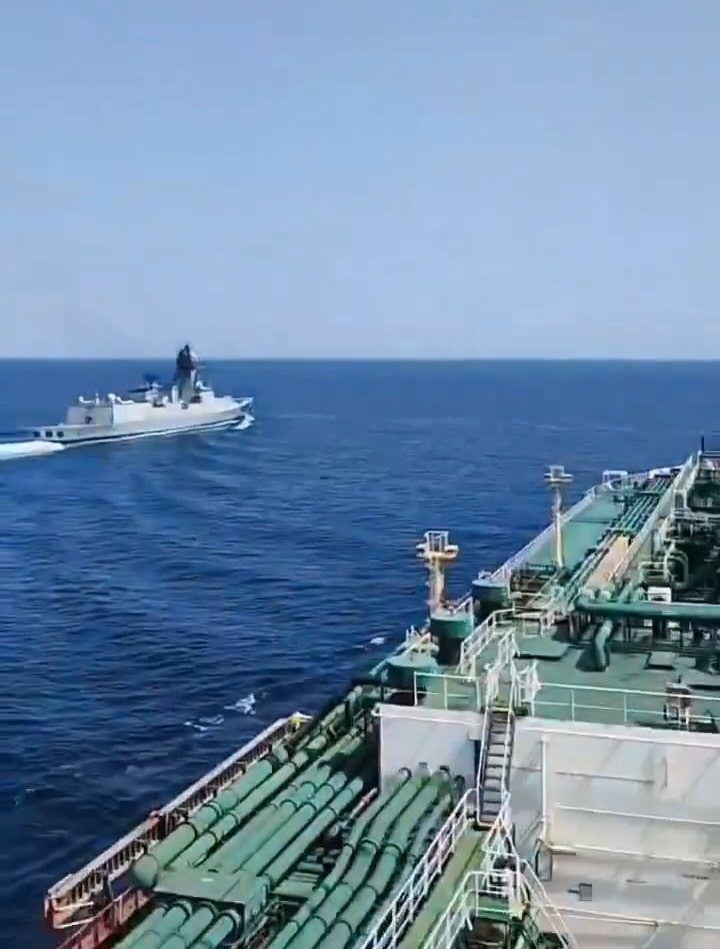
In a direct response to escalating tensions in the Gulf of Oman, the Indian Navy has deployed warships to escort Indian LPG tankers. The ships, Shivalik and Nanda Devi, carried a significant cargo of 92,700 metric tonnes across the volatile Strait of Hormuz on March 14, emphasizing the precariousness of maritime logistics in the region.
Historically, the Gulf of Oman has been a flashpoint, with previous incidents of maritime insecurity often involving state and non-state actors. The deployment of Indian warships marks a significant cautionary step by New Delhi amidst the rising geopolitical tensions in the Middle East.
This movement is significant for global security as the Strait of Hormuz is a critical chokepoint for the world's oil supply, with one-fifth of global oil shipments passing through. Disruptions due to military maneuvers or conflicts could have severe repercussions for global energy markets.
India aims to protect its maritime interests and ensure the safe passage of its valuable energy supplies. The strategic deployment of its navy reflects India's intent to deter potential threats in a region rife with instability.
Technically, the Indian Navy has leveraged its advanced frigates, Shivalik and Nanda Devi; both are well-equipped with modern warfare and surveillance systems designed to counter asymmetric threats. This operational capability highlights India's naval readiness in ensuring maritime security.
Potential consequences include a domino effect of increased military presence by other nations looking to secure their interests in the region. Such escalations can amplify tensions, leading to potential confrontations or clashes.
Historically, such naval deployments echo similar actions taken during past crises in the Persian Gulf, notably during the tanker wars in the 1980s, when foreign navies were involved in escorting vessels to ensure safe passage.
Going forward, the international community should monitor for signs of further military build-up or provocations. Key intelligence indicators will include increased naval deployments, diplomatic dialogues, and any incidents involving commercial shipping lanes within this strategic maritime corridor.