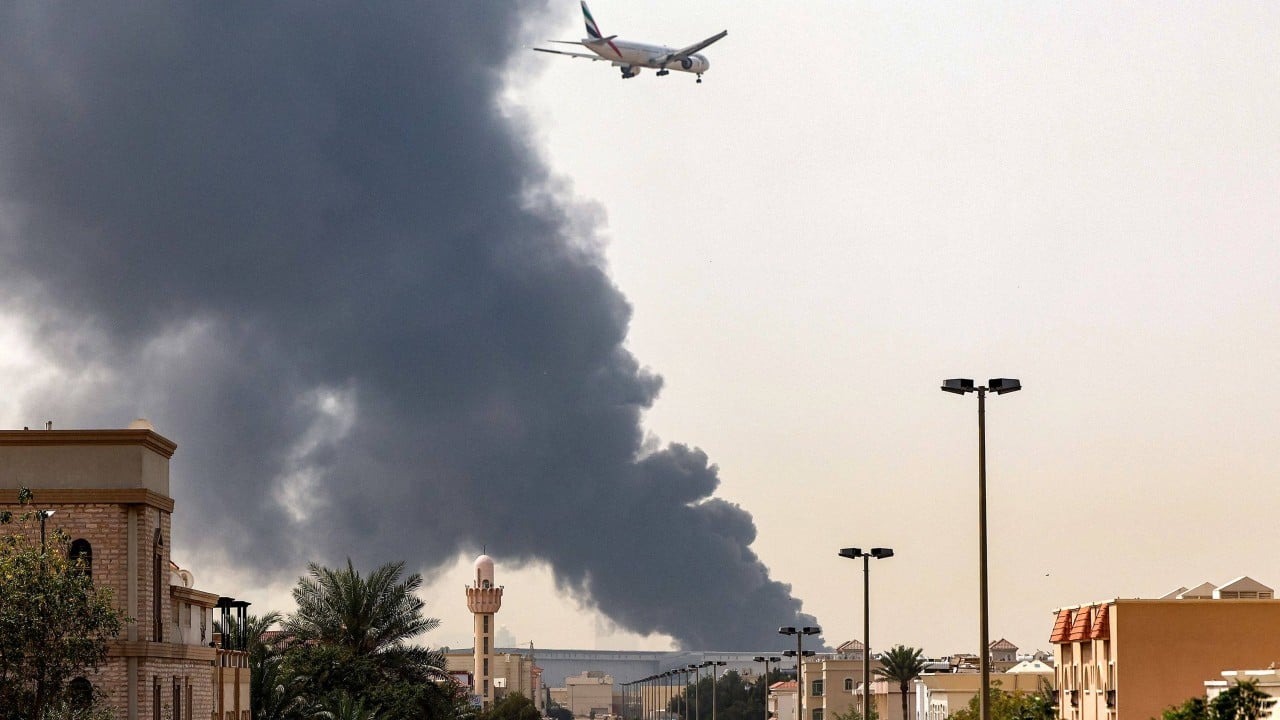
Cathay Pacific's European Expansion May Offset Middle East Flight Suspension
Cathay Pacific's prolonged suspension of Middle Eastern flights may minimally impact passenger revenues due to expanded European routes. However, cargo operations could face challenges from the loss of cost-efficient Middle East transit corridors amid rising fuel and insurance costs.
Cathay Pacific Airways, Hong Kong's flag carrier, recently announced an extended suspension of its Middle Eastern flight operations. Aviation analysts suggest that while this move presents challenges, the impact on the airline's passenger segment might be mitigated by the strategic expansion of European services. These new routes are expected to attract passenger traffic that might have otherwise utilized Middle Eastern hubs, thus partially offsetting revenue losses.
Technically, the suspension affects several key Middle Eastern nodes that traditionally serve as cost-effective transit points for both passengers and cargo. The airline’s pivot to European destinations involves increased frequency and potentially new city pairs, leveraging Europe’s dense aviation network. This adaptation underscores the carrier's operational flexibility and route management tactics.
Strategically, this shift signals a rebalancing in response to geopolitical instability in the Middle East, which has resulted in increased operational costs, notably due to fuel price surges and insurance premiums. The cargo sector, heavily dependent on Middle East transit routes for maintaining competitive logistics costs, faces heightened pressure and potential margins compression.
Cathay Pacific, managed by Swire Pacific and AIA Group, has a long-standing reputation for premium passenger and integrated cargo services. The reorientation towards European routes can also be seen as a longer-term diversification to strengthen resilience against regional disruptions. The expanded European presence may open new market opportunities, though it requires careful calibration to maintain profitability amid evolving global fuel and insurance landscapes.