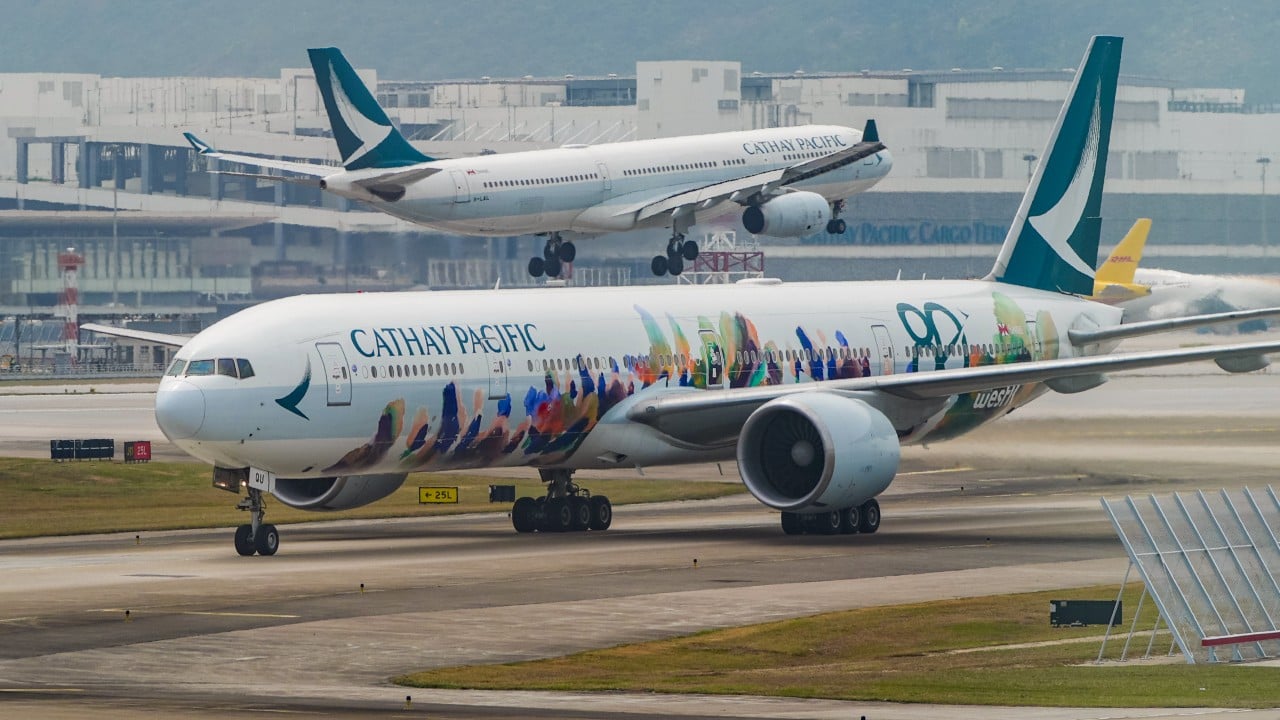
Cathay Pacific Reports Profit Surge Amid Rising Geopolitical Tensions
Cathay Pacific's profit rise is overshadowed by escalating geopolitical risks that threaten stability in global operations. The airline warns these conflicts could impact future growth and operational costs significantly.
Cathay Pacific Airways has reported a net profit of HK$10.82 billion (US$1.39 billion) for 2025, marking an increase of 9.5% year-over-year. This growth is largely attributed to expanded capacity and booming cargo demand. However, the airline's leadership warns that the volatile geopolitical landscape could destabilize operations and inflate fuel prices, igniting concerns over future profitability and operational efficiency.
The backdrop to this announcement includes a series of global conflicts, particularly focusing on the situation in the Middle East, which has heightened tensions worldwide. These disruptions are not isolated; they reflect broader shifts in international relations affecting air travel and logistics. The COVID-19 pandemic was a primary trigger for initial declines in air travel, and while recovery has been notable, persistent geopolitical tensions loom large, suggesting that recovery may be fragile.
This situation is significant not just for Cathay Pacific, but for the entire airline industry. As geopolitical tensions escalate, airlines face increased operational costs due to climbing fuel prices—an unavoidable burden that diminishes profit margins. The instability can also lead to changes in air travel demand, shifting customer behavior as travelers avoid conflict zones, impacting passenger volumes across the board.
Key players in this scenario include not only Cathay Pacific but also other major airlines that could feel the ripples from increased conflict and resulting national policies. Airlines like Singapore Airlines, Emirates, and Lufthansa must prepare for possible route adjustments or operational shifts as they navigate a landscape fraught with uncertainty. This ongoing volatility may also pressure carriers to reassess strategic partnerships and alliances in response to growing national security concerns.
From a technical standpoint, Cathay's recent expansion efforts and increased capacity utilization are notable. The airline's fleet enhancements could lead to operational efficiencies, but those gains could be undercut if fuel prices continue to surge due to geopolitical instability. The industry overall is grappling with fluctuating oil prices, which are currently inching upwards in tandem with escalating conflicts.
The likely consequences of these geopolitical tensions will spell increased operational risks for airlines worldwide. As conflicts evolve, air traffic routes may be altered to avoid affected areas, and flight operations could face stringent regulations. Furthermore, firms may need to hedge against potential disruptions to minimize financial impacts, adding another layer of complexity.
Historically, periods of geopolitical unrest have led to similar crises in the airline industry. For instance, the Gulf War in the early 1990s saw air travel plummet as passenger safety became a paramount concern. Airlines that fail to adapt quickly to such changes often suffer long-term consequences, leading to bankruptcies or severe profit declines.
In the coming months, stakeholders should closely monitor further developments in global geopolitical dynamics, with a specific focus on military engagements and fuel costs. Indicators such as international trade agreements or sanctions related to conflict zones could profoundly influence operational strategies in the airline industry. Watch for announcements from Cathay and other carriers regarding route changes, pricing adjustments, or shifts in operational strategy as these situations unfold.