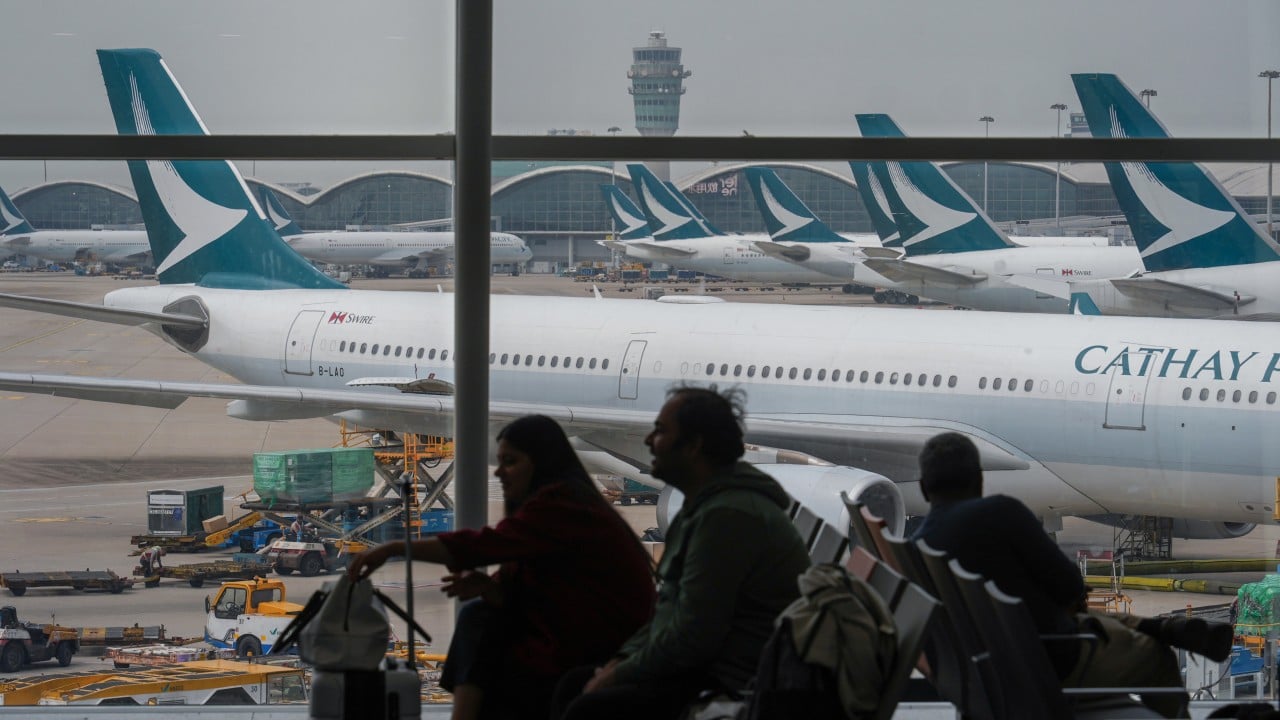
Cathay Pacific Doubles Fuel Surcharge Amid Middle East Conflict
Cathay Pacific’s fuel surcharge hike exposes vulnerabilities in global supply chains and rising operational costs fueled by Middle East tensions.
Cathay Pacific Airways is set to nearly double its fuel surcharge, effective March 18, as escalating oil prices—which surged nearly 40% since the start of regional conflicts in the Middle East—continue to strain airline profitability. The decision reflects a broader industry trend, with Hong Kong Airlines already implementing a similar 35% surcharge increase. This substantial hike indicates deepening operational challenges for airlines as geopolitical stability wanes.
The surge in fuel costs is not merely the result of market fluctuations but is closely linked to the ongoing conflicts in the Middle East, particularly the recent escalations involving Israel and Hamas, which have raised concerns over oil supply disruptions. As major oil producers grapple with instability, commercial airlines like Cathay Pacific are forced to raise ticket prices to absorb the impacts. This financial pressure cannot be understated, as airlines operate on thin margins, making them highly susceptible to fluctuations in operational costs.
This development is significant because it exposes the interconnectedness of global supply chains and the direct impact that regional conflicts can have on international commerce. The airline industry is particularly vulnerable, and Cathay Pacific's decision will likely trigger similar responses from carriers globally, potentially leading to a cycle of increased fares affecting passenger volumes and, ultimately, economic recovery in the travel sector.
Key actors in this scenario include Cathay Pacific and Hong Kong Airlines, both of which are navigating a precarious financial landscape driven by external geopolitical factors. Their motivations reflect a desperate need to balance operational viability with customer demand. The airline industry is not just responding to increased fuel prices; they are also preparing for potential future disruptions in passenger flows due to rising costs, which could alter travel habits for the long term.
From an operational standpoint, Cathay Pacific's impending surcharge increase signifies a need for financial resilience in a changing economic environment. The airline will likely implement this 100% increase to cover the escalating costs of Jet A-1 fuel, which averaged around $125 per barrel. Given that the airline sector operates on razor-thin profit margins, substantial hikes may lead to reduced competitive positioning in the increasingly price-sensitive market.
The implications of these changes are multifaceted. As other airlines follow suit, we might witness a cascading effect where ticket prices increase across the board, dampening travel demand. Market analysts predict that this environment could further deteriorate airline profits and limit future route expansions, forcing airlines to downsize operations or refocus strategies to cut costs.
Historical parallels can be drawn to earlier periods of geopolitical turbulence, such as the 1973 oil crisis when sudden spikes in fuel prices had long-lasting effects on the airline industry, resulting in a wave of bankruptcies and consolidation. The ongoing situation suggests we are at the cusp of a similar restructuring phase in air travel, where operational viability comes under intense scrutiny.
Looking forward, it is critical to monitor fuel price trends and geopolitical developments that might further impact airline operations. Signals to watch include shifts in Middle East stability, oil production levels from OPEC nations, and modifications to consumer travel habits as fares rise. In short, the global aviation sector may be entering a perilous period that requires recalibrated business strategies to navigate rising costs and uncertain demand.